Teen nutrition · November 4, 2026
Plant protein tracked with better marks in 769 Spanish teenagers. The study modelled a swap, but nobody changed a meal
Replacing 5% of energy from animal protein with plant protein was linked to higher scores in language, maths and a foreign language. The eye-catching result came from one questionnaire and one set of grades, not a diet trial.
Better grades and a better diet often travel together. Families with more time, money or education may make different food choices and also provide different support for school. A study published in Pediatric Research on 23 October tried to separate one narrow part of that knot: whether the source of teenagers' dietary protein was associated with their marks.
The analysis used 769 adolescents aged 12 to 17 from the Eating Healthy and Daily Life Activities study in Spain; 55.5% were girls. Food intake came from a 45-item food-frequency questionnaire. Academic performance came from grade point average and marks in language, mathematics and a foreign language. The researchers adjusted their models for measured social, lifestyle and body-size factors.
Instead of comparing vegetarians with meat eaters, the researchers used an isocaloric substitution model. It estimated the difference associated with replacing animal protein equal to 5% of total energy with the same energy from plant protein while holding total energy steady. The model linked that replacement with higher scores in every academic outcome, all with p-values below 0.001. The associations were driven mainly by replacing protein from red and processed meat and some fish with plant sources.
That wording matters: the teenagers were not assigned beans instead of meat, and the study did not watch anyone's grades change after a food swap. Diet and grades were measured in the same observational dataset, so the direction could run either way and unmeasured differences could explain part or all of the result. A 45-item questionnaire also cannot capture every portion or meal precisely. Statistical adjustment reduces some obvious differences between teenagers; it cannot turn this into an experiment.
The useful takeaway is a research question, not a promise that lentils raise marks. Beans, lentils, chickpeas, tofu, nuts and seeds can add protein alongside fibre and other nutrients, and they can replace some processed meat in an ordinary diet. Whether that change improves school performance needs a prospective intervention that records what teenagers actually eat and follows their learning over time. For now, school results are not a reason to impose a restrictive diet on a growing child.
Protein source and school marks: cross-sectional modelling (23 October 2026)
769
Spanish adolescents in the secondary analysis
12–17 years
Age range
55.5%
Girls
45 items
Food-frequency questionnaire used to estimate diet
5% of energy
Animal-to-plant protein replacement modelled
4 outcomes
Overall grade average, language, maths and foreign language
All p < 0.001
Reported associations across the four outcomes
This was a secondary, cross-sectional analysis, not a feeding trial. The 5% figure is a statistical substitution of energy from one protein source for another; it does not mean the researchers changed 5% of anyone's diet. The abstract reports the direction and statistical significance but not the main model's score differences, so we do not invent an effect size.
- Five per cent of energy is about 100 kilocalories in a 2,000-kilocalorie day. That is an energy comparison, not 5% of the food on a plate.
- An isocaloric model asks what the data predict when energy from one source goes down and equal energy from another source goes up, while total energy stays fixed.
- The analysis separated overall grade point average from language, mathematics and foreign-language marks; all four moved in the same direction in the models.
- Plant protein is not one food. Pulses, soy foods, nuts, seeds and grains bring different amounts of protein, fibre, fat and micronutrients.
- The authors declared no competing interests, and the study's sensitive participant dataset is not publicly available.
- Isocaloric substitution of animal-based protein with plant-based protein and academic performance in Spanish adolescents: The EHDLA studyPediatric Research, 23 October 2026 · Primary paper; publication date, study design, sample, measures, substitution model and conclusions checked against the journal record and abstract.
- PubMed record 42919830US National Library of Medicine · Primary abstract used for all reported participant figures and results.
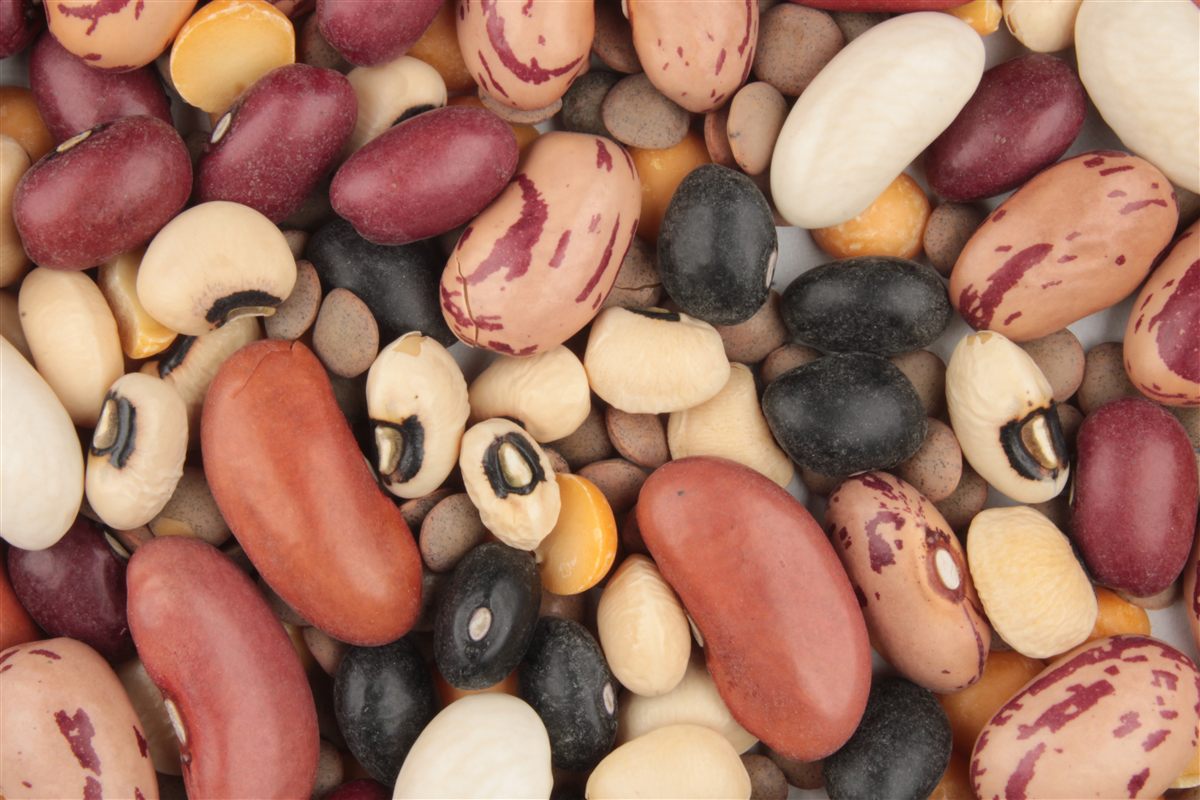
- Mixture of beans, peas and pardina lentils 15Wikimedia Commons · CC0 photograph by Bean appreciator.
General information, not medical advice. This observational analysis cannot show that replacing animal protein with plant protein improves school marks. Teenagers need enough energy and a varied diet for growth; discuss restrictive diets, poor growth, food allergies or nutrition concerns with a doctor or dietitian.
Analysis by NutroPractic from the sources listed. Written for general readers; it does not replace advice from your own doctor.
From our articles
Our guides on this subject
Plain-language guides on nutrition and wellness, backed by research.
Everyday eating
Food label claims decoded: 'no added sugar', 'multigrain', 'natural' and 'high protein'
A no-added-sugar biscuit with only 13% fewer calories. A 7-grain loaf with refined flour listed first. A 'high protein' bar that clears the legal line at 21%. What each claim legally requires in the EU/UK, US and India, with worked reads of real packs.
2 Nov 2026
Indian kitchen
Dal and pulses in an Indian kitchen: protein, soaking, gas and blood sugar
A katori of dal gives about 6 to 10 g of protein, depending on how much raw dal goes in. What India's food tables and the ICMR-NIN 2024 guidelines say about rice with dal, how much soaking, sprouting and pressure cooking cut phytate and the sugars behind the gas, the GI of chana dal and rajma, raw rajma safety, and a worked plate for diabetes.
25 Oct 2026
Everyday eating
Eating well on a tight food budget: what the cost studies found, and the cheapest protein and fibre per dollar
Healthier diets cost about $1.48 a person a day more, according to a meta-analysis of 27 studies. What the USDA's Thrifty Food Plan costs in 2026, our price check of protein and fibre per dollar at September 2026 prices, why frozen and tinned vegetables are not second best, and a batch-cooked stew at $1.40 a serving.
20 Oct 2026
Newsfeed for your website
Want this feed on your website?
Add it to any site with one copy-and-paste snippet. No sign-up, and it updates itself every hour.
Start with a virtual consultation
Tell Dr. Triveni what you want to change. You will leave with a clear next step, whether you are in Toronto, London, New York or Chennai.