Newsfeed
Nutrition research, analysed
A new analysis every hour. Each one covers a recent study or report: What was found, the numbers behind it and the sources to check. We write about research from the last two weeks, not the news of the day.
Vitamins and minerals · November 3, 2026
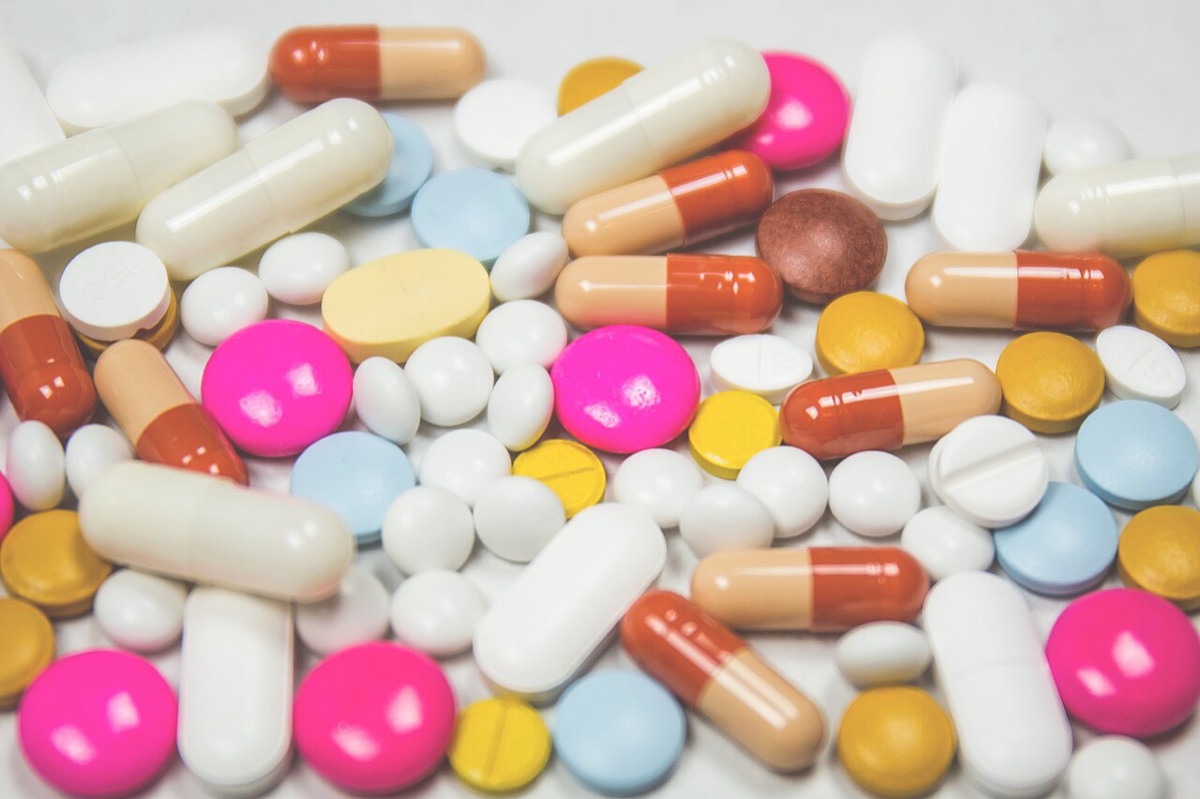
Half of 793 office workers were low in vitamin D and four in ten women low in iron. Most had no idea, and the supplements were mostly going to the wrong people
A workplace blood-testing programme in Poland checked vitamin D, iron stores and vitamin B12 alongside what people said they took. People who took vitamin D did have better levels. But about seven in ten of those who came up short had neither a diagnosis nor a supplement, and nothing simple like age or weight could pick them out.
Read the analysis
Nutrigenetics · November 3, 2026
Daily coffee drinkers looked fine on fasting glucose and HbA1c. A two-hour sugar test in 905 Polish adults told a different story, and their genes made no difference
Researchers in Białystok asked 905 adults about coffee and snacking, tested two diabetes-linked genes, and gave them a glucose drink. Daily coffee drinkers had higher blood sugar after the drink, frequent snackers carried more body fat, and none of it depended on genotype. Before anyone gives up coffee, though, there is a lot this study could not see.
Read the analysis
Menopause · November 3, 2026
Saltier eating habits came with about 1.5 times the odds of bothersome hot flushes in 3,664 midlife women. Three questions did the sorting
A Korean study followed 3,664 women in their forties for a median of five and a half years. Those who salted their food more had more troublesome hot flushes and night sweats, even after weight and blood pressure were taken into account. The salt was never measured, though, and that matters.
Read the analysis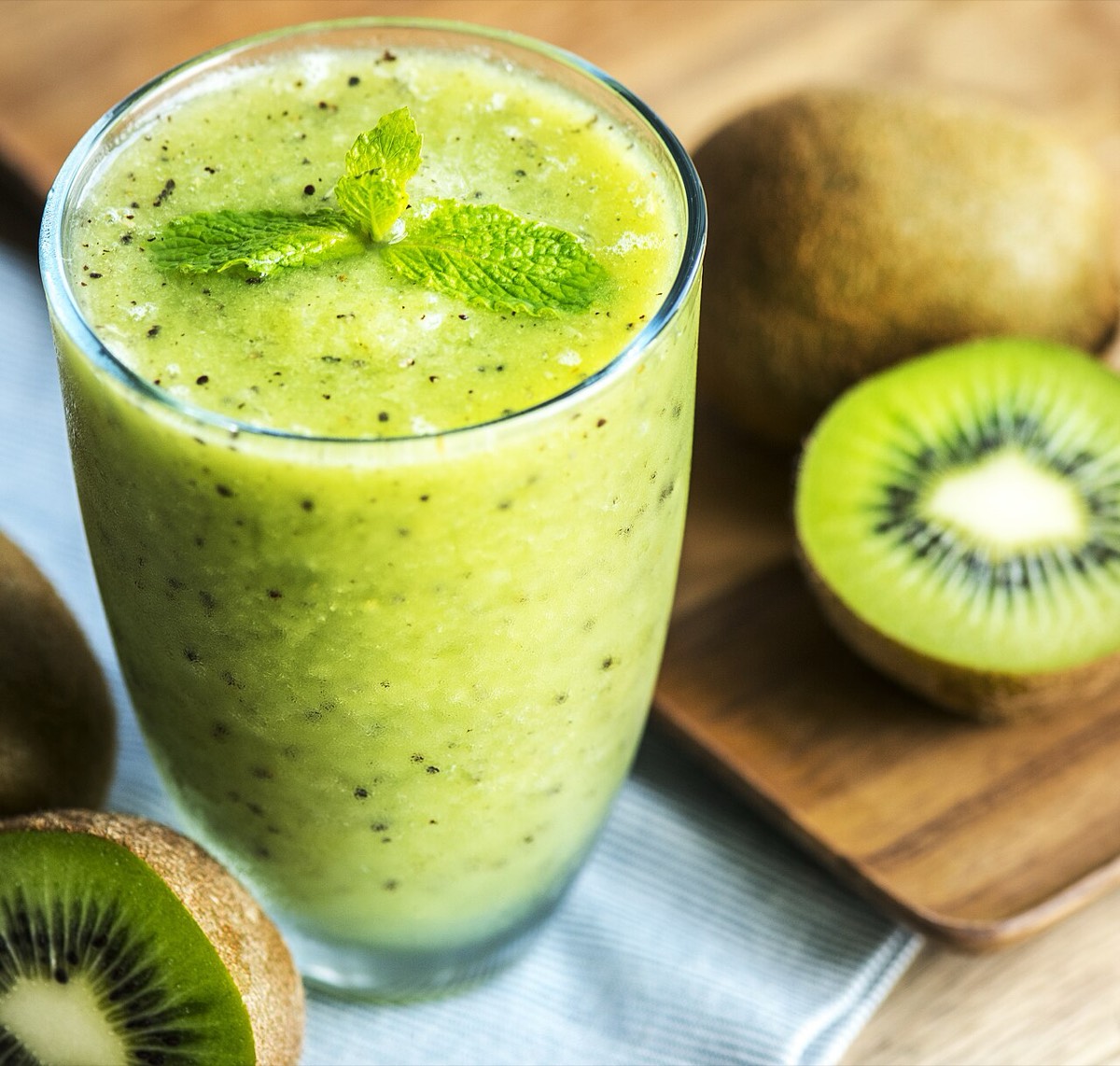
Inflammation · November 3, 2026
A free fruit smoothie every day for 16 weeks left inflammation where it was. Most people said they drank about four a week
A Norwegian trial handed people in opioid treatment seven bottles of smoothie a week alongside their medication. CRP, white cells and three other markers ended up no different from the group that got nothing extra. The more telling numbers are about who drank what, and who might have shared.
Read the analysis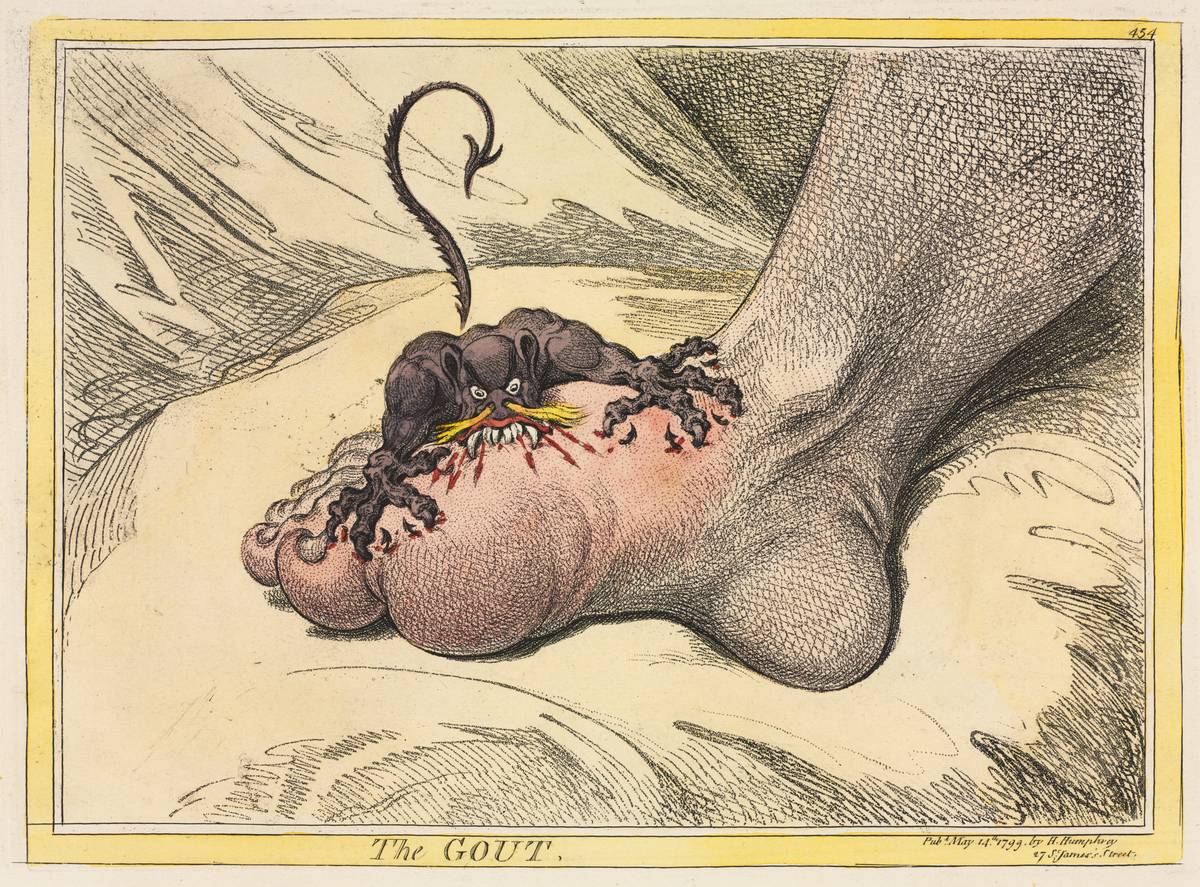
Gout · November 3, 2026
People with diabetes and gout scored almost the same on diet as those without. The gap appeared only after adjusting
A new analysis of 5,067 Americans with diabetes found raw diet scores that barely differed by gout: 51.4 against 51.9 on one 100-point index. Once age, sex and other differences were accounted for, better scores on three of five diet measures went with lower odds of gout. Two measures showed nothing at all.
Read the analysis
Sports nutrition · November 3, 2026
Vitamin D for fighters: four small trials found wins on some lab tests, no trial looked at a single bout
A new review gathered every placebo-controlled trial of vitamin D in judo, taekwondo, boxing and mixed martial arts athletes. There were four, with 99 people analysed. Handgrip and sprint power moved in some; mean power, jumps and agility didn't. The evidence was rated very low for every outcome.
Read the analysis
Coeliac disease · November 3, 2026
Same number of snacks, different snacks: young Finns with coeliac disease had ice cream three times as often and sugary soft drinks half as often
A survey of 353 people aged 16 to 30 found the gluten-free group wasn't snacking more. What changed was what they snacked on, and where lunch happened: 18% ate in a school or workplace canteen every day, against 38% of the others.
Read the analysis
Blood sugar · November 3, 2026
People with prediabetes who'd had nutrition lessons knew far more. Their eating habits scored almost exactly the same
A survey of 449 adults at a Beijing heart hospital found the usual gap between knowing and doing, plus a stranger one: fewer than four in ten agreed that acting early on prediabetes matters, the one stage where it most clearly does.
Read the analysis
Metabolic health · November 3, 2026
In adults with metabolic syndrome, the risk tied to sugary drinks didn't climb steadily. It seemed to start around 90 calories a day
A study of 26,885 Americans found the curve flat at low intakes, then rising, but only in the group with metabolic syndrome. That sounds like a safe daily allowance. The authors say plainly it isn't one, and a single day's recall is a big part of why.
Read the analysis
Healthy ageing · November 3, 2026
Two routine blood numbers taken on arrival tracked who was still alive three years after a broken hip
Multiply albumin by haemoglobin and you get a single score. In 947 older adults having hip-fracture surgery in Beijing, those in the top quarter of that score had about a quarter of the three-year death risk of those in the bottom quarter. It flags vulnerability, not a cure — but both halves point to things a care team can look at.
Read the analysis
Children's nutrition · November 3, 2026
One short school video changed the drink picked at the table: 36% chose the full-sugar option, down from 57%
A video under five minutes long about sugary-drink harms and label reading shifted an immediate real-world choice among Chinese pupils. It did not test whether the change lasted, or whether a lesson can overcome the drinks available around a school — but it offers an unusually concrete result for health education.
Read the analysis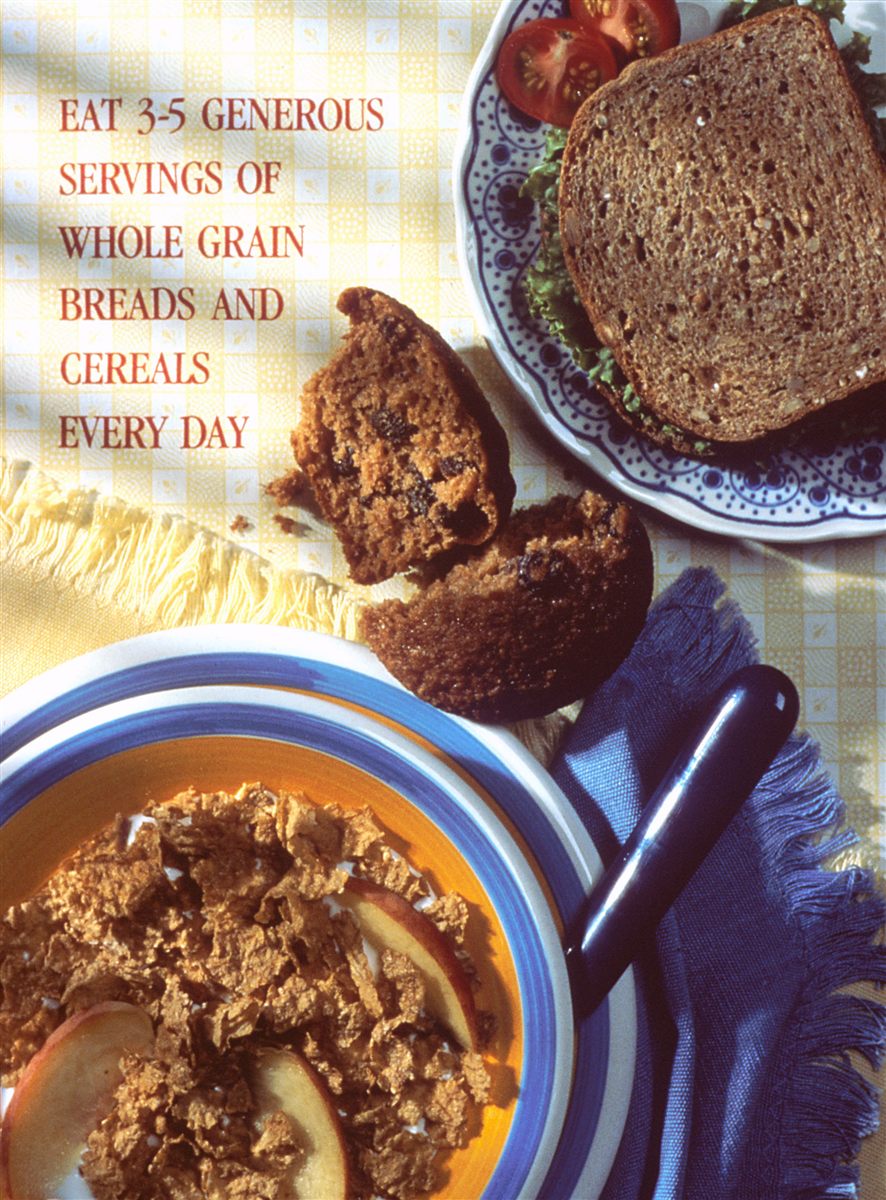
Population nutrition · November 3, 2026
The biggest diet-related heart-disease signal in a new 27-country model was not processed meat. It was too little whole grain
An analysis of 1990–2023 health estimates puts low whole-grain intake at the top of the modelled diet-related heart-disease burden in Western Europe and North America. For type 2 diabetes, processed meat leads instead. These are population estimates, not a scorecard for any one breakfast — and the paper’s forecast is a warning, not a verdict.
Read the analysisFrom our articles
Read, then eat a little better
Plain-language guides on nutrition and wellness, backed by research.

Women's health
Inositol for PCOS: the 40:1 ratio, trial doses, and food milligrams
Why do randomized trials in polycystic ovary syndrome prioritize the 40:1 myo to D-chiro inositol ratio? Here is the science behind the ovarian epimerase paradox, clinical ovulation and insulin metrics, and why cantaloupe cannot replace 4,000 mg trial powder.
21 Nov 2026

Everyday eating
Extra virgin olive oil polyphenols: the EU health claim, smoke point myths, and cooking stability
Does extra virgin olive oil degrade when cooked? What does the EU 5 mg polyphenol health claim require, how does oleocanthal act like ibuprofen, and why does oxidative stability matter more than smoke point in domestic frying? Here is the clinical and culinary data.
21 Nov 2026

Food and nutrition
L-theanine and caffeine: what cognitive trials measured on sustained attention, and milligrams in matcha vs green tea
Combining L-theanine with caffeine produces clean focus without caffeine jitters. Here is what randomized trials measured on attention-switching, EEG alpha brain waves, and the exact milligrams across ceremonial matcha, culinary powder, gyokuro, and sencha.
20 Nov 2026
Start with a virtual consultation
Tell Dr. Triveni what you want to change. You will leave with a clear next step, whether you are in Toronto, London, New York or Chennai.