Vitamins and minerals · November 3, 2026
Half of 793 office workers were low in vitamin D and four in ten women low in iron. Most had no idea, and the supplements were mostly going to the wrong people
A workplace blood-testing programme in Poland checked vitamin D, iron stores and vitamin B12 alongside what people said they took. People who took vitamin D did have better levels. But about seven in ten of those who came up short had neither a diagnosis nor a supplement, and nothing simple like age or weight could pick them out.
Roughly half of adults in wealthy countries take at least one supplement, and vitamin D is near the top of the list. Most start on their own, to feel healthier, not because a test told them to. A cross-sectional study published in Nutrients on 30 October asked whether that habit actually reaches the people who are short of something.
The data came from a preventive-health programme a large, mostly office-based employer in Poland offered to 1,500 staff. 793 took part, three quarters of them women, with an average age of 39. Between late April and mid June 2026 they gave a blood sample and answered a structured medical interview that included an open list of every medicine and supplement they took. The researchers counted vitamin D as low below 30 ng/mL (with 20 ng/mL reported alongside, since the higher cut-off is debated), iron stores as low when ferritin was under 30 µg/L, and vitamin B12 as low under 200 pg/mL.
Shortfalls were common. 53% had vitamin D below 30 ng/mL and 24% below 20, in men and women alike. 38% of the women had low ferritin, against 2.5% of the men, yet only about one in eight of those with low iron stores was anaemic, so a standard blood count would have missed most of them. Low B12 was rare at 3%. Supplements were much rarer than shortfalls: 21% listed a vitamin D product, under 3% an iron product and about 2% a B12 product.
Vitamin D takers did look better. 77% of them were at 30 ng/mL or above, against 39% of non-takers, and their levels were about 13.5 ng/mL higher after allowing for age, sex, BMI, smoking and month of testing. But look at it from the other side. Only 9% of the people low in vitamin D had listed a vitamin D supplement, 2% of those low in iron listed iron, and none of the 24 people low in B12 listed B12. Among those who answered the question, 70% of the vitamin D group, 69% of the iron group and 86% of the B12 group reported neither a past diagnosis nor a supplement. Meanwhile a quarter of vitamin D takers were at 50 ng/mL or more, and both readings above 100 ng/mL belonged to supplement users.
Could anyone be picked out without a test? Not really. Age, sex, BMI and smoking predicted low vitamin D barely better than a coin toss (a C-statistic of 0.58, where 0.5 is chance). For iron, the model looked better until you notice it mostly said 'be a woman'; among women alone it fell to 0.57. The authors conclude that getting the right dose to the people who need it in practice requires measurement, while noting that their study did not test whether workplace screening is worth its cost, and that current Endocrine Society guidance advises against routine vitamin D testing in healthy adults under 75.
There are real limits. It is a single snapshot, so it cannot show that supplements caused the better vitamin D levels; takers smoked less and exercised more, and some may have started after an earlier low result. The open supplement list missed people: when people below target were asked directly, about a third of the vitamin D group said they took it, and the share with neither diagnosis nor supplement fell to 56%. Ferritin was read without an inflammation marker for nearly everyone, which can hide low iron, and B12 rested on one blood value. Those who signed up were volunteers from one company. Two of the three authors work for the firms that run the programme and its interview software, which the paper declares.
Vitamin D, iron and vitamin B12 status and supplement use in a Polish workforce (Nutrients, 30 October 2026)
793
Employees tested of 1,500 offered the programme; 75% women, mean age 39, blood drawn 21 April to 16 June 2026
53.2%
Vitamin D (25(OH)D) below 30 ng/mL (421 of 791); 23.6% below 20 ng/mL
38.3% vs 2.5%
Ferritin below 30 µg/L in women against men; anaemia in 28 of the 232 with low iron stores
3.0%
Serum vitamin B12 below 200 pg/mL (24 of 791); another 14.9% were between 200 and 300
77% vs 39%
At 30 ng/mL or above among vitamin D supplement takers against non-takers (adjusted odds ratio 5.5, 95% CI 3.7 to 8.3)
9% / 2% / 0%
Share of people low in vitamin D, iron or B12 who listed the matching supplement
70% / 69% / 86%
Low vitamin D, iron or B12 with neither a past diagnosis nor a supplement, among those who answered
0.58
How well age, sex, BMI and smoking picked out low vitamin D (C-statistic; 0.5 is chance). 0.57 for low iron within women
Figures are from the paper's abstract, results (sections 3.2 to 3.6) and discussion. 'Low' means one blood value under the stated cut-off, not a clinical diagnosis. Supplement use came from an open medication list; asking people below target directly found more vitamin D use (32% of the low group), and scenario analyses gave adjusted odds ratios of 1.8 and 4.9 instead of 5.5, so the size of the vitamin D link is uncertain though its direction held. Ferritin was read without an inflammation marker for most people. Cross-sectional, one employer, volunteers; two authors are employees and shareholders of the companies behind the programme and its interview software.
- Ferritin is the blood test for iron stores. Stores run out before haemoglobin drops, which is why most people with low ferritin here were not anaemic, and why tiredness from low iron can go unnoticed on a routine blood count.
- To turn vitamin D results in ng/mL into nmol/L, the unit used in the UK and much of Europe, multiply by about 2.5: 30 ng/mL is roughly 75 nmol/L, and 20 ng/mL roughly 50.
- Levels in this group were lower than in earlier Polish surveys, where about 90% of adults sampled in late winter and spring were below 30 ng/mL. This group was tested later in spring, was younger, and more people now supplement.
- In Finland, adding vitamin D to fluid milk products and fat spreads from 2003 raised average adult levels from about 19 to 26 ng/mL between 2000 and 2011, the paper notes. In Poland only fat spreads must carry added vitamin D.
- Low vitamin D was slightly more likely in younger people and those with a higher BMI, and very low vitamin D (under 20 ng/mL) about twice as likely in smokers, but none of this sorted people well enough to skip a test.
- Vitamin D Supplement Use Is Associated with Better Status, Yet Most Biochemical Vitamin D, Iron and Vitamin B12 Deficiency Is Unrecognised and Unsupplemented in a Screened WorkforceNutrients, 30 October 2026 · Open access (CC BY 4.0). Methods, results sections 3.1 to 3.7, discussion, limitations and conflicts of interest.
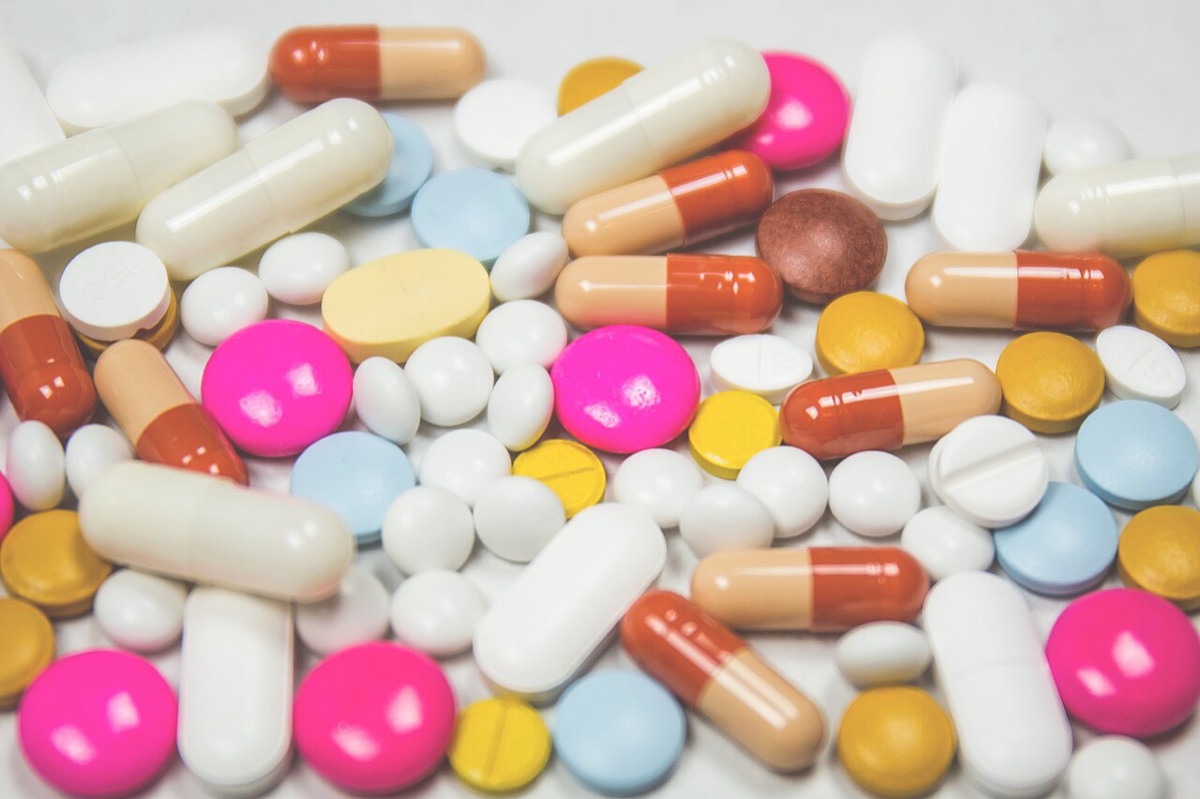
- Olsztyn, Poland (Unsplash nss2eRzQwgw)Wikimedia Commons · CC0 image by freestocks.org.
General information, not medical advice. This cross-sectional study shows links, not that supplements caused the differences seen, and a single low blood value is not a diagnosis. Too much vitamin D or iron can also harm, so anyone who thinks they may be low should ask their doctor about testing and the right dose before starting a supplement.
Analysis by NutroPractic from the sources listed. Written for general readers; it does not replace advice from your own doctor.
From our articles
Our guides on this subject
Plain-language guides on nutrition and wellness, backed by research.
Micronutrients
Vitamin D and B12: two common gaps, from northern winters to vegetarian kitchens
Vitamin D runs low in Canadian and European winters, and surprisingly often in sunny India too. Vitamin B12 is a risk for vegetarians, people over 50 and people on certain medicines. Who is at risk, what the official advice is in North America, Europe and India, and where to get both.
3 Oct 2026
Children's nutrition
Feeding a teenage athlete: energy, iron, calcium and the sports drink question
Teenage athletes are growing and training at the same time, and under-eating (REDs) is found in up to 80% of female and 70% of male athletes in studies. A worked energy example for a 15-year-old footballer, protein and carbohydrate targets, iron and calcium in the growth spurt, when sports drinks help and when they are dessert, and the supplements to skip.
20 Oct 2026
Workplace wellness
Eating on night shifts: what shift-work studies found on meal timing, weight and blood sugar
The same meal raises blood sugar more at 3 am than at 1 pm. What the sleep-lab trials found when night workers ate only by day, how the Nurses' Health Study risk climbed with years of nights, what is left of a 3 am coffee at bedtime, and a meal plan for a 19:00-07:00 shift.
30 Oct 2026
Newsfeed for your website
Want this feed on your website?
Add it to any site with one copy-and-paste snippet. No sign-up, and it updates itself every hour.
Start with a virtual consultation
Tell Dr. Triveni what you want to change. You will leave with a clear next step, whether you are in Toronto, London, New York or Chennai.