Newsfeed
Nutrition research, analysed
A new analysis every hour. Each one covers a recent study or report: What was found, the numbers behind it and the sources to check. We write about research from the last two weeks, not the news of the day.
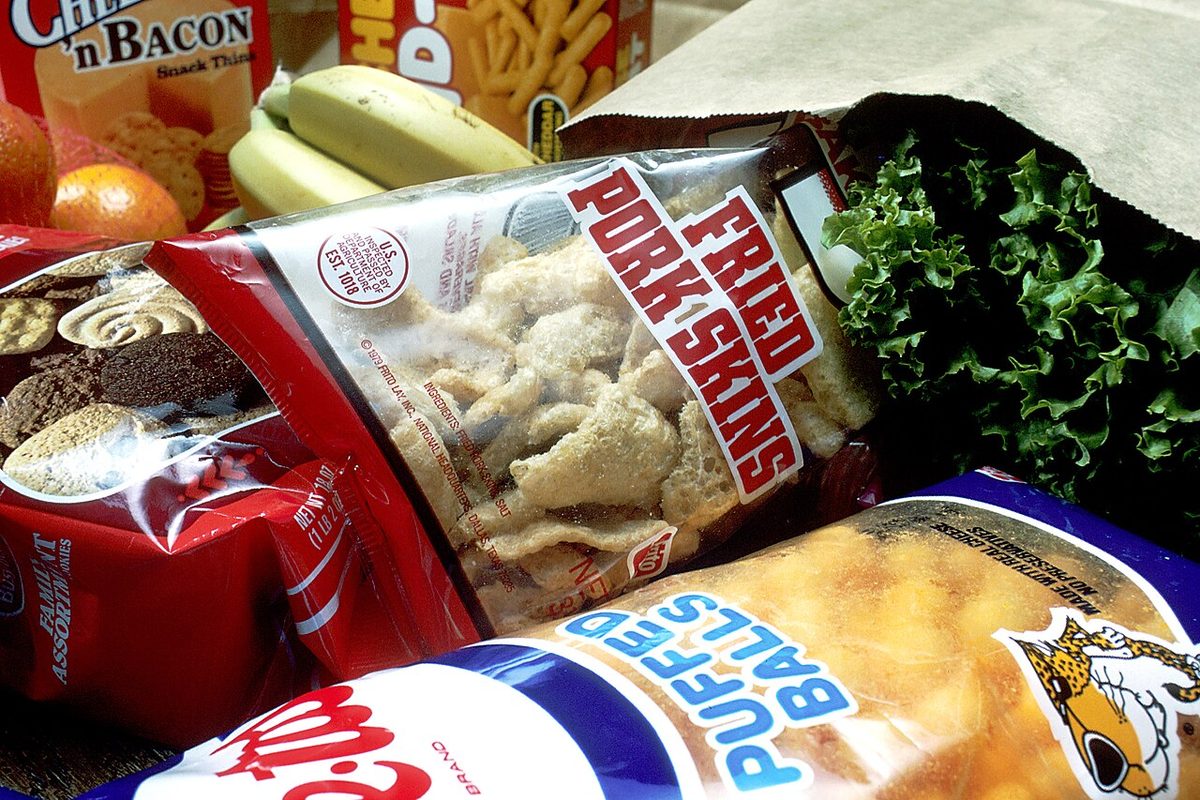
Eating behaviour · November 13, 2026
Food-addiction symptoms changed how strongly processing and hyperpalatability shaped ratings of 297 foods
In a representative US survey, eating-behaviour scores—not BMI—were the characteristics that interacted with the foods people called problematic.
Read the analysisFood processing · November 13, 2026
‘Ultraprocessed’ did not tell the whole story in 6,525 US adults—the food’s nutritional quality changed the pattern
Most ultraprocessed calories came from foods high in nutrients to limit, and those—not the smaller remainder—tracked with several risk markers.
Read the analysis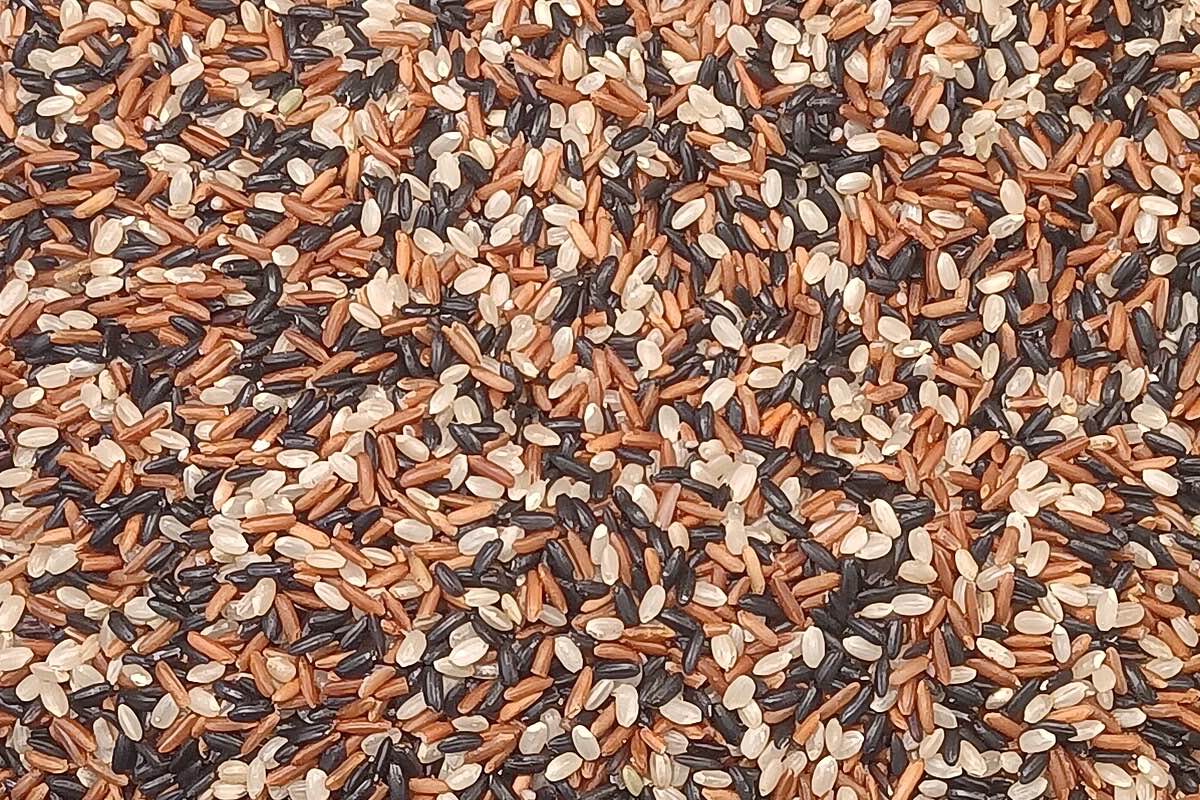
Gut health · November 13, 2026
Five extra grams of resistant starch a day changed neither metabolic markers nor the overall gut microbiome in a 30-woman pilot
The strongest bacterial signal disappeared after correction for multiple tests—a useful negative result from an eight-week food-based trial.
Read the analysis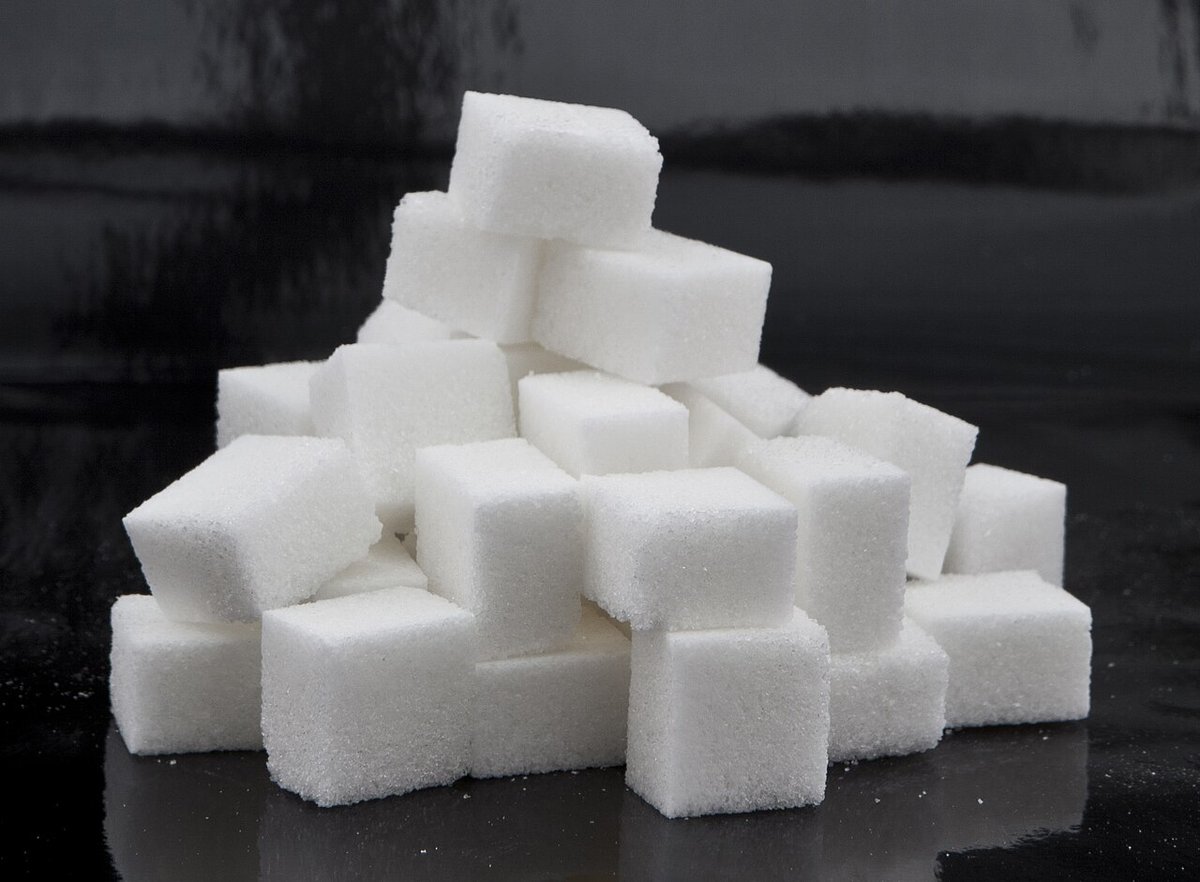
Food and mood · November 13, 2026
A high-free-sugar eating pattern tracked with new bipolar diagnoses — but only 192 cases occurred
The 124,191-person cohort found a 34% higher relative risk per standard-deviation increase, an association that still needs interventional testing.
Read the analysis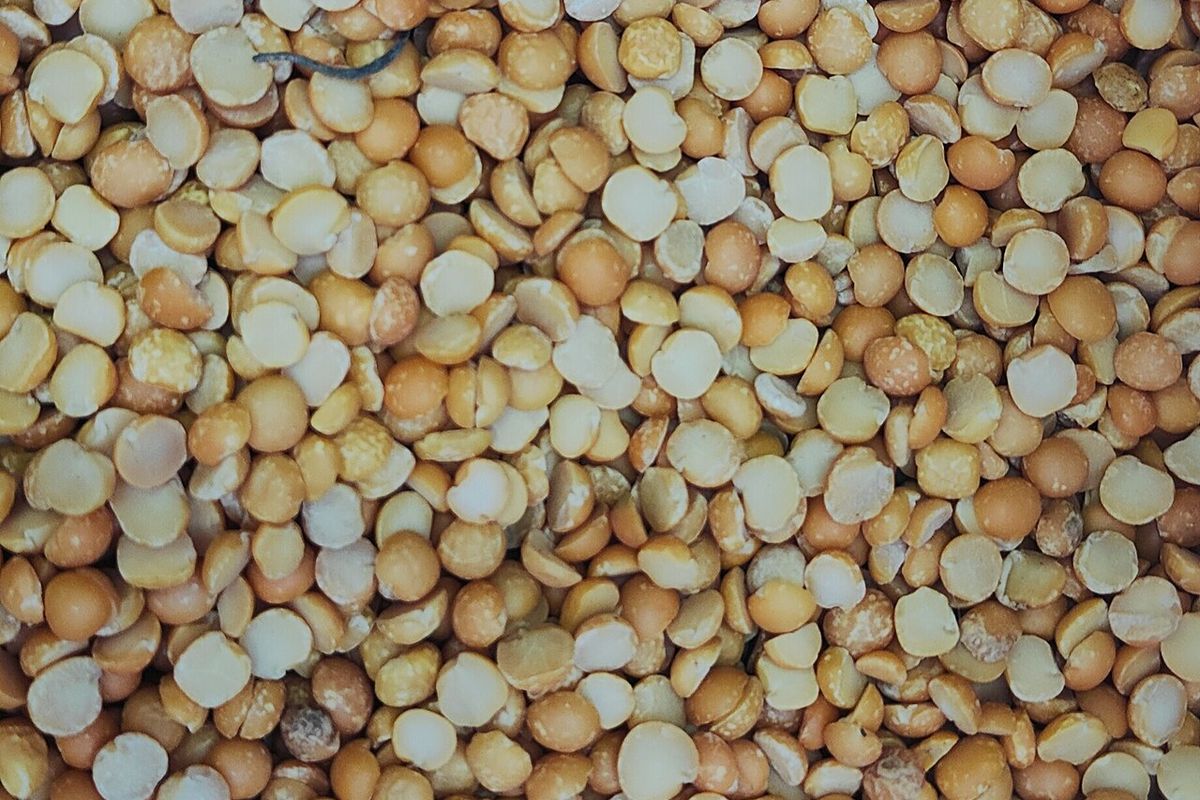
Gut health · November 13, 2026
Pea concentrate and pea isolate changed the gut microbiome differently over four weeks
A three-arm randomized trial found species-level shifts, but it did not show that one protein source produced better health.
Read the analysis
School nutrition · November 13, 2026
A 20-minute school lunch left children only 16 minutes to eat
Across 7,027 trays in four US states, longer seated time was linked to more milk, whole-grain side and fruit consumption.
Read the analysis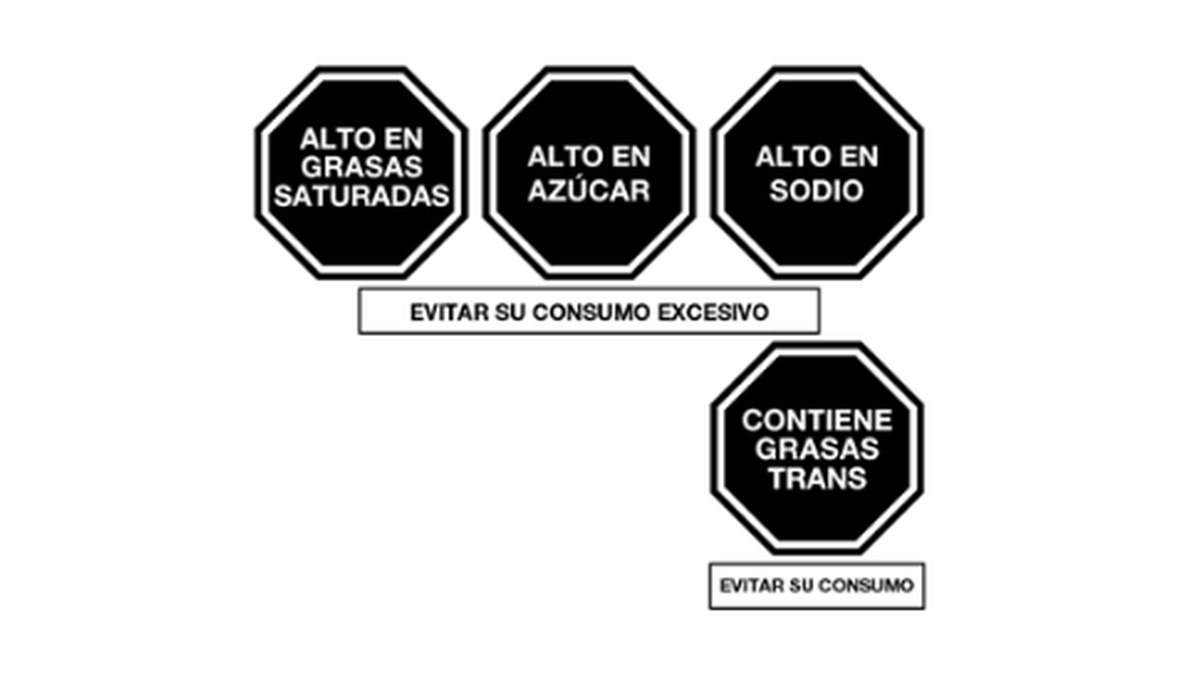
Food labels · November 13, 2026
A two-word warning helped more people spot ultraprocessed foods than a longer health message
In a randomized experiment with 4,107 US Latino adults, the plain identity label beat both a barcode and the more detailed warning.
Read the analysis
Cancer nutrition · November 13, 2026
Folate’s modest colorectal-cancer association looked similar across most tumour subtypes
A pooled analysis of 8,970 cases and 8,098 controls found no strong sign that common tumour markers fundamentally changed the pattern.
Read the analysis
Healthy aging · November 12, 2026
A better diet tracked with less frailty — not a lower risk of cognitive impairment
In 1,636 older US adults, diet quality lined up with physical resilience, but the apparent cognitive links weakened under stricter analysis.
Read the analysisPlant-based diets · November 11, 2026
What replaced animal foods mattered in a four-diet study of 235 Swedish young people
Plant-based eaters gained fibre and cut saturated fat, but vitamin D, B12, selenium—and calcium for vegans—needed closer attention.
Read the analysis
Infant feeding · November 11, 2026
Monthly counselling improved complementary feeding in an 802-family cluster trial
Mothers taught through a behaviour model were more likely to meet diversity, meal-frequency and acceptable-diet measures after nine months.
Read the analysis
Child nutrition · November 11, 2026
Practical food education coincided with striking anaemia and growth gains in 1,012 young children
A 16-community Ethiopian trial reported large differences after behaviour-focused teaching—but its unequal starting points and unusually large shifts call for careful replication.
Read the analysisFrom our articles
Read, then eat a little better
Plain-language guides on nutrition and wellness, backed by research.

Women's health
Inositol for PCOS: the 40:1 ratio, trial doses, and food milligrams
Why do randomized trials in polycystic ovary syndrome prioritize the 40:1 myo to D-chiro inositol ratio? Here is the science behind the ovarian epimerase paradox, clinical ovulation and insulin metrics, and why cantaloupe cannot replace 4,000 mg trial powder.
21 Nov 2026

Everyday eating
Extra virgin olive oil polyphenols: the EU health claim, smoke point myths, and cooking stability
Does extra virgin olive oil degrade when cooked? What does the EU 5 mg polyphenol health claim require, how does oleocanthal act like ibuprofen, and why does oxidative stability matter more than smoke point in domestic frying? Here is the clinical and culinary data.
21 Nov 2026

Food and nutrition
L-theanine and caffeine: what cognitive trials measured on sustained attention, and milligrams in matcha vs green tea
Combining L-theanine with caffeine produces clean focus without caffeine jitters. Here is what randomized trials measured on attention-switching, EEG alpha brain waves, and the exact milligrams across ceremonial matcha, culinary powder, gyokuro, and sencha.
20 Nov 2026
Start with a virtual consultation
Tell Dr. Triveni what you want to change. You will leave with a clear next step, whether you are in Toronto, London, New York or Chennai.