Food labels · November 13, 2026
A two-word warning helped more people spot ultraprocessed foods than a longer health message
In a randomized experiment with 4,107 US Latino adults, the plain identity label beat both a barcode and the more detailed warning.
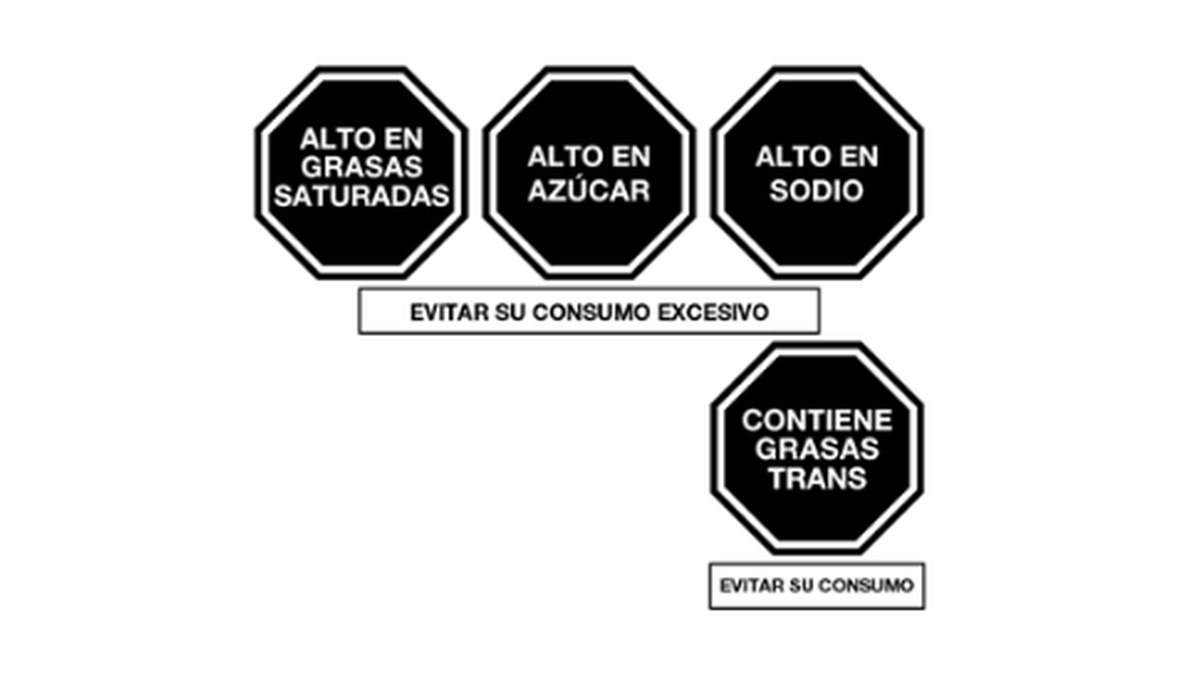
Researchers randomized 4,107 Latino adults in the United States to see one of three front-of-pack labels on four ultraprocessed products. Nearly half of the participants had limited English proficiency.
The control was a barcode. One warning simply said, ‘WARNING: Ultra-processed food.’ The other described possible weight gain and increased risks of obesity and type 2 diabetes.
Seventy per cent of people shown the short identity warning correctly identified the products as ultraprocessed, compared with 67% given the health warning and 54% shown the barcode. The short label also performed significantly better than the longer warning.
Both warnings lowered perceived healthfulness and stated purchase intentions compared with the control. These were reactions in an online experiment, not purchases observed in a shop, so the trial shows that labels can improve recognition—not that they will necessarily change long-term eating.
US randomized warning-label experiment (11 November 2026)
4,107
Latino adults randomized
49%
With limited English proficiency
70%
Correct with identity warning
67%
Correct with health warning
54%
Correct with barcode control
Online randomized trial conducted in 2024. It measured identification, perceptions and purchase intentions rather than actual purchasing or health outcomes.
- NOVA group 4 defines ultraprocessed foods by the nature and purpose of industrial processing, not one nutrient cutoff.
- A shorter message can reduce reading burden, which may help when shoppers make quick decisions.
- Purchase intention is a survey response and often differs from behaviour at the checkout.
- The trial was registered as NCT06296355.
- Impacts of ultra-processed food warning labels on product perceptions and behavioral intentions among Latino adults: A randomized trialAmerican Journal of Preventive Medicine / PubMed · Primary randomized-trial abstract with label wording, participant characteristics and outcomes. Published 11 November 2026.
- Octógonos de advertencia en PerúWikimedia Commons · Ministerio de Salud del Perú, public domain. General warning-label illustration only.
General information, not a judgment about any individual packaged food. Consider ingredients, nutrients, portion and overall eating pattern together.
Analysis by NutroPractic from the sources listed. Written for general readers; it does not replace advice from your own doctor.
From our articles
Our guides on this subject
Plain-language guides on nutrition and wellness, backed by research.
Nutrition science
Ultra-processed foods: what the evidence says, and a realistic way to eat fewer
Ultra-processed foods now make up more than half of the calories eaten in the US and the UK. What counts as ultra-processed, what a landmark NIH trial and a 2024 BMJ review found, where the science is still uncertain, and simple swaps that don't require cooking everything from scratch.
3 Oct 2026

Women's health
Inositol for PCOS: the 40:1 ratio, trial doses, and food milligrams
Why do randomized trials in polycystic ovary syndrome prioritize the 40:1 myo to D-chiro inositol ratio? Here is the science behind the ovarian epimerase paradox, clinical ovulation and insulin metrics, and why cantaloupe cannot replace 4,000 mg trial powder.
21 Nov 2026

Everyday eating
Extra virgin olive oil polyphenols: the EU health claim, smoke point myths, and cooking stability
Does extra virgin olive oil degrade when cooked? What does the EU 5 mg polyphenol health claim require, how does oleocanthal act like ibuprofen, and why does oxidative stability matter more than smoke point in domestic frying? Here is the clinical and culinary data.
21 Nov 2026
Newsfeed for your website
Want this feed on your website?
Add it to any site with one copy-and-paste snippet. No sign-up, and it updates itself every hour.
Start with a virtual consultation
Tell Dr. Triveni what you want to change. You will leave with a clear next step, whether you are in Toronto, London, New York or Chennai.