Gut health · November 13, 2026
Pea concentrate and pea isolate changed the gut microbiome differently over four weeks
A three-arm randomized trial found species-level shifts, but it did not show that one protein source produced better health.
A randomized, double-blind, three-arm trial compared pea protein concentrate, pea protein isolate and whey protein isolate in healthy adults. Participants took 0.5 grams per kilogram of body weight each day for four weeks.
Researchers collected stool samples weekly, with fasting blood and 24-hour urine at the start, midpoint and end. Their comparisons separated the effect of the pea food matrix—concentrate versus isolate—from plant versus animal protein—pea isolate versus whey.
Both pea groups showed lower within-sample microbial diversity and shifts in between-person community composition. Pea concentrate increased the relative abundance of Anaerobutyricum hallii and Bifidobacterium longum, while pea isolate increased Lactobacillus crispatus and Limosilactobacillus frumenti.
Those names can sound automatically beneficial, but microbiome composition is not a clinical outcome. The researchers explicitly called for work on microbial function and individual responses before treating these changes as evidence that one powder is healthier.
Three-protein randomized intervention (11 November 2026)
3 arms
Pea concentrate, pea isolate and whey isolate
4 weeks
Supplementation period
0.5 g/kg/day
Protein supplement dose
Weekly
Stool-sample collection
4 species
Highlighted increases across pea groups
Randomized double-blind dietary intervention. The abstract reports compositional microbiome changes, not improved symptoms, disease risk or other clinical benefits.
- A protein concentrate retains more of the original food matrix than a more highly purified isolate.
- Alpha diversity describes variety within one sample; more is not always synonymous with healthier.
- Beta diversity describes how microbial communities differ between samples or people.
- Relative abundance can rise because one organism increased or because others declined.
- Differential effects of pea protein isolate, pea protein concentrate, and whey protein isolate supplementation on gut microbiota and metabolic markers in healthy adults: a 3-arm parallel randomised interventionEuropean Journal of Nutrition / PubMed · Primary trial abstract with design, dose, sampling and species-level results. Published 11 November 2026.
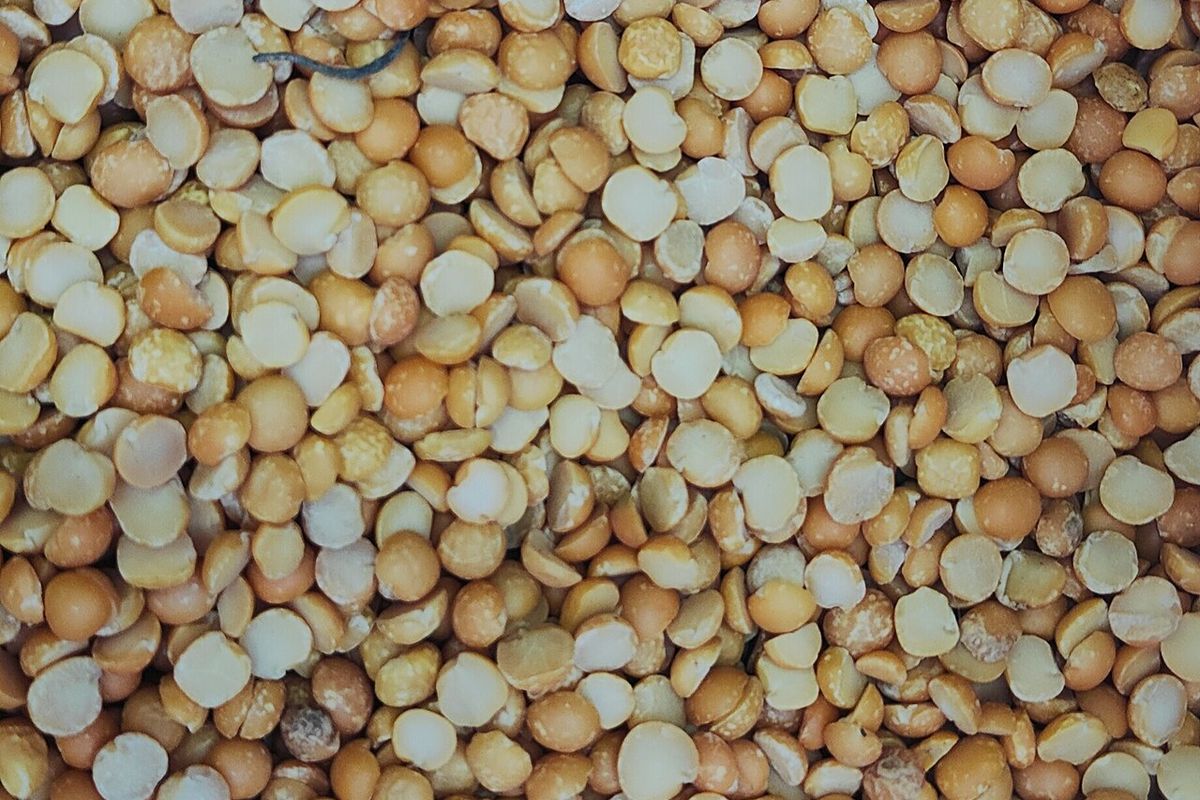
- Yellow split peasWikimedia Commons · Ranjithkumar Murugesan, CC0. General pea illustration only.
General information, not a recommendation for a protein supplement or a microbiome treatment. Choose protein sources around your overall diet, allergies and health needs.
Analysis by NutroPractic from the sources listed. Written for general readers; it does not replace advice from your own doctor.
From our articles
Our guides on this subject
Plain-language guides on nutrition and wellness, backed by research.
Gut health
Probiotic capsules: which ones have trial evidence, what they can do, and when to skip them
Children on antibiotics: 8% got diarrhoea with a probiotic, 19% without. Older hospital patients: 10.8% with, 10.4% without. Which capsules have evidence, what three guidelines say about IBS, what a course costs per case prevented, and who shouldn't take them.
2 Nov 2026
Gut health
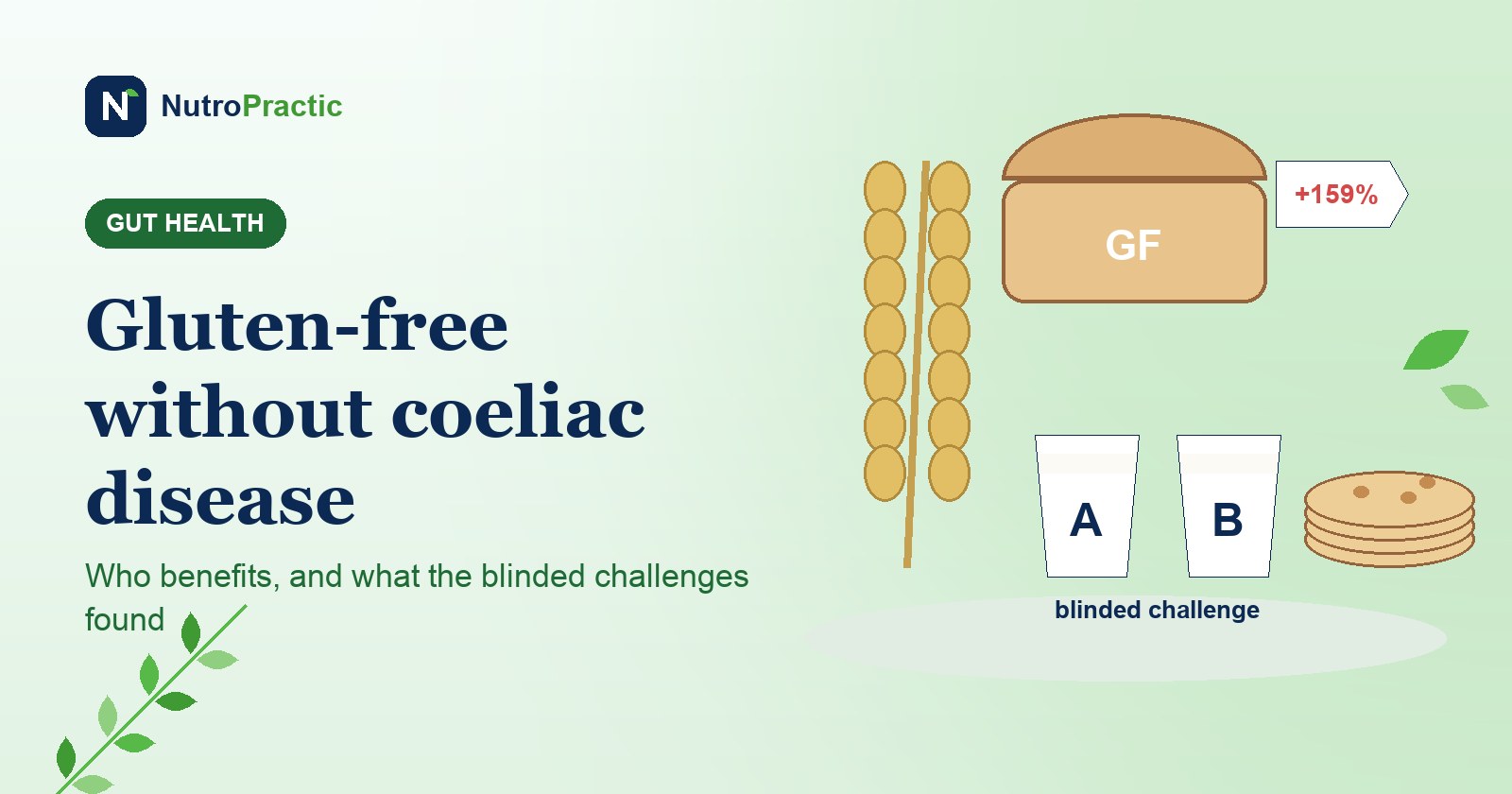
Gluten-free without coeliac disease: who actually benefits, and what the blinded gluten challenges found
In blinded trials only 16% of people who said gluten made them ill reacted to gluten rather than placebo, and in Oslo fructans caused more bloating than gluten. Who really needs to avoid it, how to get tested before you stop, how much gluten is in a slice of bread or a roti, and what gluten-free food costs (159% more in the UK) and lacks.
1 Nov 2026
Gut health
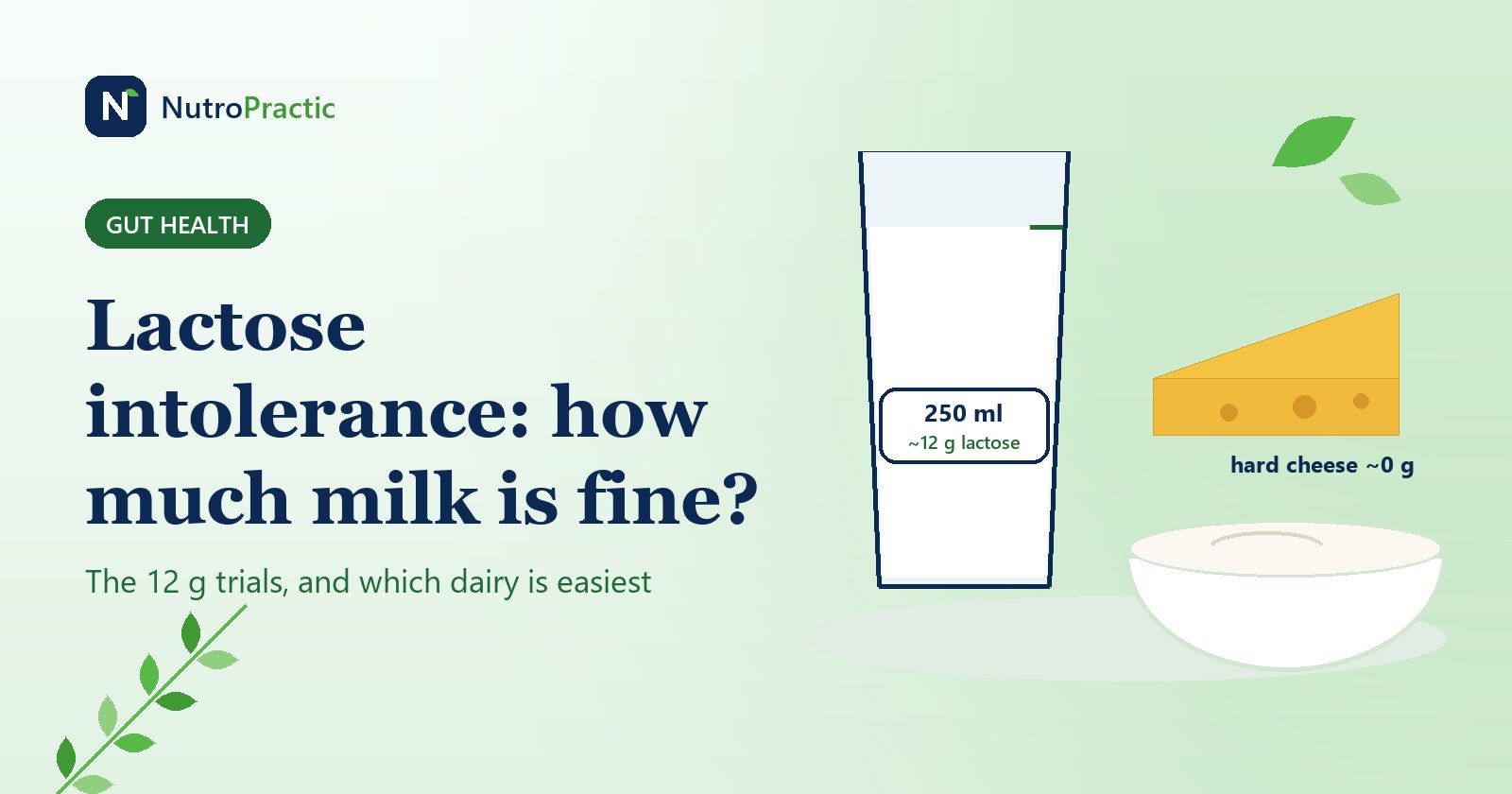
Lactose intolerance: how much milk most people can actually tolerate, and which dairy is easiest
Most adults who don't digest lactose well still handle about 12 g at once, roughly a 250 ml glass of milk, in blinded trials. What the 12 g studies found, a lactose table for milk, yoghurt, cheese, chai and dahi, how lactase tablets and A2 milk compare, why the famous 68% figure was retracted, and how to keep calcium up if you cut back.
25 Oct 2026
Newsfeed for your website
Want this feed on your website?
Add it to any site with one copy-and-paste snippet. No sign-up, and it updates itself every hour.
Start with a virtual consultation
Tell Dr. Triveni what you want to change. You will leave with a clear next step, whether you are in Toronto, London, New York or Chennai.