Eating behaviour · November 13, 2026
Food-addiction symptoms changed how strongly processing and hyperpalatability shaped ratings of 297 foods
In a representative US survey, eating-behaviour scores—not BMI—were the characteristics that interacted with the foods people called problematic.
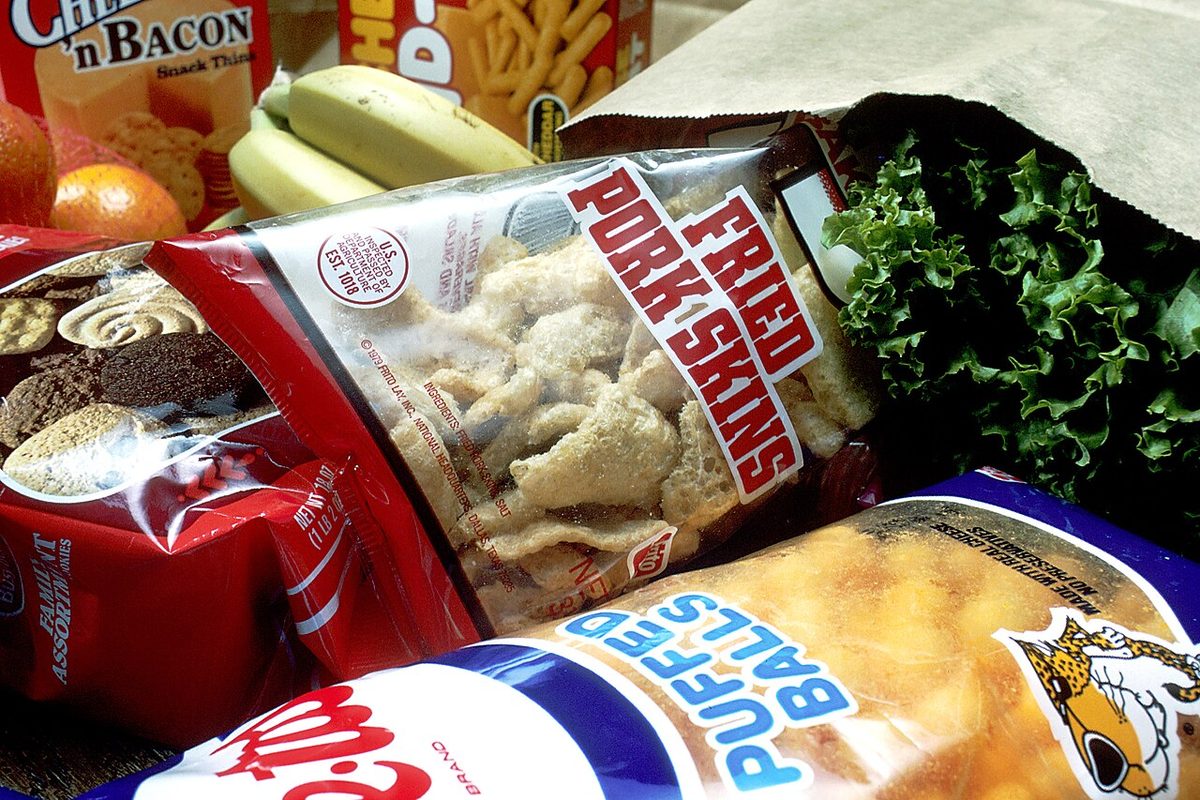
A nationally representative survey asked 1,664 US adults to rate how problematic foods felt to them. Each participant saw 99 randomly selected items from a set of 297 and marked each on a 100-point scale.
The researchers classified foods in two ways: by NOVA processing group and by a standardized definition of hyperpalatability. Participants also completed short questionnaires for eating-disorder symptoms and food-addiction symptoms.
Both symptom scores interacted strongly with the food classifications. The steepest relationship between symptoms and problematic-food ratings appeared for NOVA group 4 foods, and similar interactions appeared for hyperpalatable foods. BMI did not show that interaction.
The study measured perception at one point in time; it did not diagnose addiction or observe what anyone ate. Still, it argues against treating a food as equally compelling to everyone. Individual eating experiences and food properties appeared to combine in the ratings.
US food-perception survey (11 November 2026)
1,664
Adults surveyed
297
Foods in the full item set
99
Random foods rated per participant
100 points
Problematic-food rating scale
BMI: no
Interaction with food classification
Cross-sectional perception study conducted in 2024. Ratings and symptom questionnaires do not establish a clinical diagnosis or show that a food caused disordered eating.
- Hyperpalatable-food definitions use combinations of fat, sugar, sodium and carbohydrate rather than taste alone.
- NOVA group 4 includes industrial formulations with ingredients or processes uncommon in home cooking.
- A random subset of foods reduces the burden of asking every participant to score all 297 items.
- Body size cannot tell a clinician whether someone has distressing loss-of-control eating or an eating disorder.
- Individual characteristics interacting with processing level and hyperpalatability are associated with food addictiveness: a cross-sectional studyJournal of the Academy of Nutrition and Dietetics / PubMed · Primary survey abstract with sampling, food-rating method and interaction results. Published 11 November 2026.
- Grocery bag of junk foodsWikimedia Commons · Bill Branson, US National Cancer Institute, public domain. General food-choice illustration only.
General information, not an eating-disorder diagnosis. Persistent loss of control, restriction, bingeing or distress around food deserves support from a qualified health professional.
Analysis by NutroPractic from the sources listed. Written for general readers; it does not replace advice from your own doctor.
From our articles
Read, then eat a little better
Plain-language guides on nutrition and wellness, backed by research.

Women's health
Inositol for PCOS: the 40:1 ratio, trial doses, and food milligrams
Why do randomized trials in polycystic ovary syndrome prioritize the 40:1 myo to D-chiro inositol ratio? Here is the science behind the ovarian epimerase paradox, clinical ovulation and insulin metrics, and why cantaloupe cannot replace 4,000 mg trial powder.
21 Nov 2026

Everyday eating
Extra virgin olive oil polyphenols: the EU health claim, smoke point myths, and cooking stability
Does extra virgin olive oil degrade when cooked? What does the EU 5 mg polyphenol health claim require, how does oleocanthal act like ibuprofen, and why does oxidative stability matter more than smoke point in domestic frying? Here is the clinical and culinary data.
21 Nov 2026

Food and nutrition
L-theanine and caffeine: what cognitive trials measured on sustained attention, and milligrams in matcha vs green tea
Combining L-theanine with caffeine produces clean focus without caffeine jitters. Here is what randomized trials measured on attention-switching, EEG alpha brain waves, and the exact milligrams across ceremonial matcha, culinary powder, gyokuro, and sencha.
20 Nov 2026
Newsfeed for your website
Want this feed on your website?
Add it to any site with one copy-and-paste snippet. No sign-up, and it updates itself every hour.
Start with a virtual consultation
Tell Dr. Triveni what you want to change. You will leave with a clear next step, whether you are in Toronto, London, New York or Chennai.