Newsfeed
Nutrition research, analysed
A new analysis every hour. Each one covers a recent study or report: What was found, the numbers behind it and the sources to check. We write about research from the last two weeks, not the news of the day.

Critical care · November 9, 2026
After sepsis, older ICU survivors with the highest nutrition-risk scores had 58% mortality over follow-up versus 24% for the lowest
In 461 elderly survivors of pneumonia-induced sepsis, the CONUT score at ICU discharge climbed with long-term death risk. The adjusted effect was smaller than the raw gap.
Read the analysis
Surgical nutrition · November 9, 2026
Before rectal cancer surgery, each extra point on a blood-based nutrition score tracked with 10% lower odds of a leaking join
In 2,468 patients, 308 developed anastomotic leakage. Lower preoperative PNI went with higher odds — yet as a stand-alone predictor it only reached an AUC of 0.646.
Read the analysis
Child gut health · November 9, 2026
Prebiotic fibre GOS boosted friendly gut bacteria even at 1.25 g a day — in lab fermentations of 12 children's samples, not in children
An ex vivo model fermented stool from 3-12-year-olds with galactooligosaccharides. Bifidobacteria, short-chain fatty acids and a gut-barrier test all improved, from the lowest dose.
Read the analysis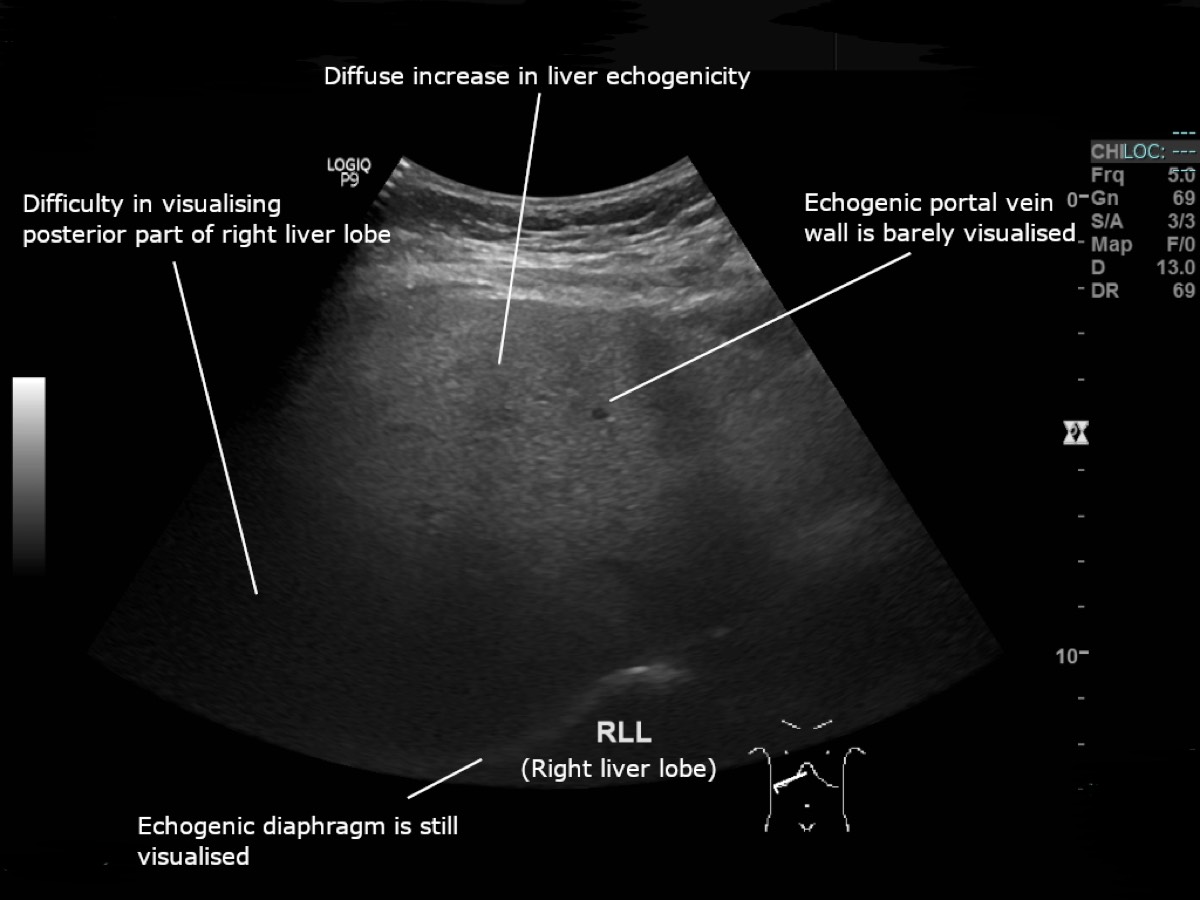
Liver health · November 9, 2026
Fatty liver in people with a lean BMI still came with 5.6 times the diabetes hazard — in a Japanese cohort of 14,271
Two Asian datasets compared lean and non-lean fatty liver. Both groups fared worse than people without fatty liver; the study could not show that one was worse than the other.
Read the analysis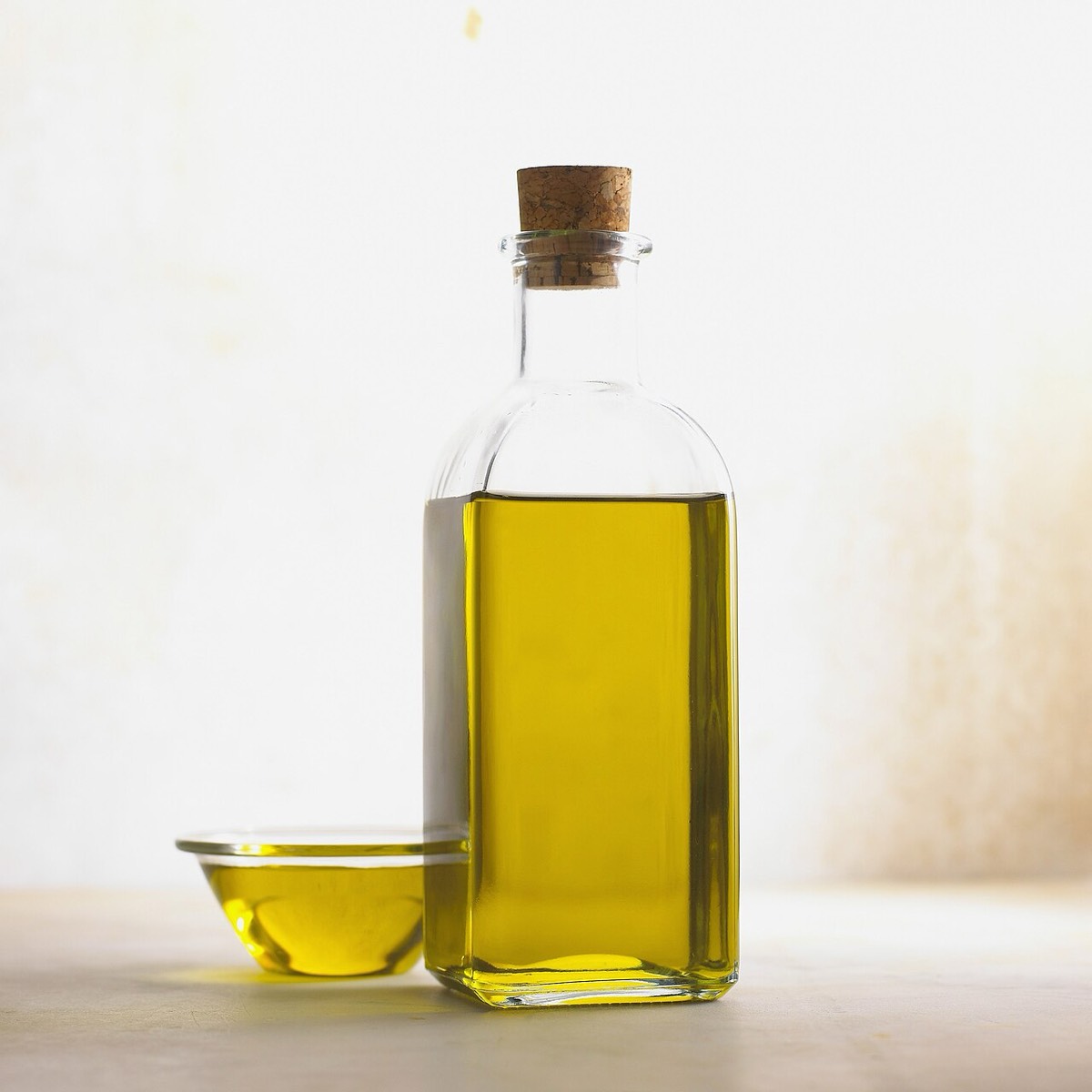
Brain health · November 9, 2026
Olive oil and the ageing brain: 12 controlled cohorts, no certain verdict — and three high-risk-of-bias reports
A systematic review found only three reports directly testing an olive-derived intervention on cognition. Results were outcome-specific, inconsistent and mostly low-certainty.
Read the analysis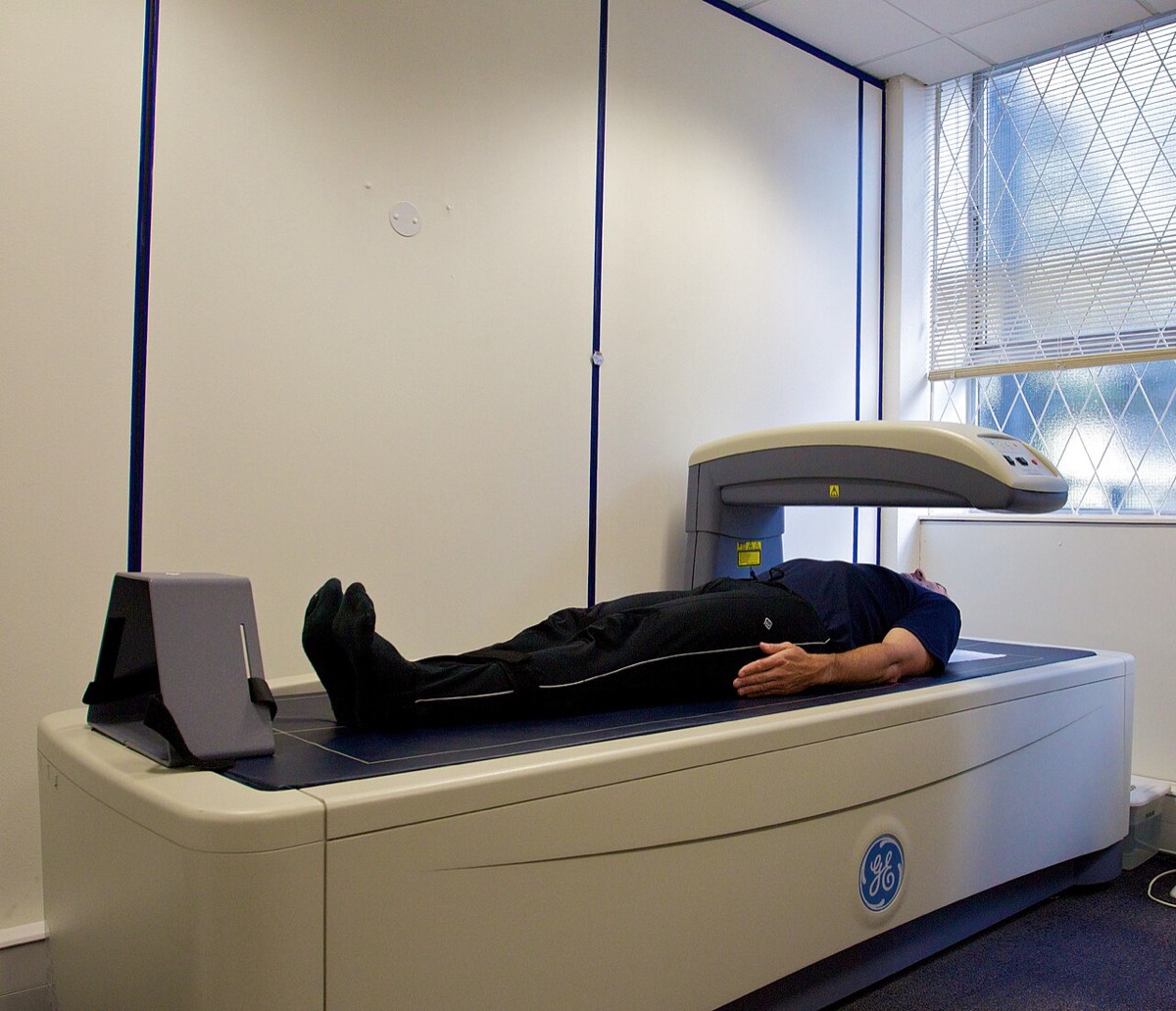
Bone health · November 8, 2026
Gut bacteria in osteoporosis: no clear drop in diversity across 2,851 adults — but the mix of species looked different
A review of 15 studies found no significant gap in alpha-diversity between people with low bone mass and controls. Community structure and a few genera told a more consistent story.
Read the analysis
Nutrition research · November 8, 2026
Childhood-obesity research changed topics less clearly than expected — and low-income institutions supplied only 1% of affiliations
A computational map of 6,909 original-study records found model-dependent trends and a much firmer geographic imbalance in who produced the research.
Read the analysis
Child nutrition · November 8, 2026
A translated feeding questionnaire measured parental control better than responsiveness in 210 Indonesian mothers
The 19-item tool fitted its statistical model overall, but one scale struggled to distinguish mothers at the responsive end. Translation alone was not enough.
Read the analysis
Cancer nutrition · November 8, 2026
A thigh X-ray looked promising for muscle screening in men with cancer — in women, BMI worked just as well
The exploratory study derived and tested its cut-offs in the same 136 patients, so its high sensitivity and specificity still need an outside test.
Read the analysis
Clinical nutrition · November 8, 2026
Two routine blood tests sharpened risk prediction after heart-valve treatment — not enough to diagnose muscle loss
Among 465 TAVI patients, a creatinine–cystatin C index improved a prediction model's concordance from 0.696 to 0.736. It was not compared with measured muscle mass.
Read the analysis
Sports nutrition · November 8, 2026
Sport pressure and social pressure showed almost the same link with disordered eating — the review could not rank them
A 55-report synthesis found correlations of 0.38 and 0.39, but only six cohorts measured both contexts and most evidence was cross-sectional.
Read the analysis
Women's nutrition · November 8, 2026
Adding one probiotic strain to iron raised ferritin more in 152 women — but fever complicated the headline result
A 12-week blinded trial found a 27% stronger ferritin rise with probiotic, iron and vitamin C than with iron and vitamin C alone. The signal needed inflammation adjustment.
Read the analysisFrom our articles
Read, then eat a little better
Plain-language guides on nutrition and wellness, backed by research.

Women's health
Inositol for PCOS: the 40:1 ratio, trial doses, and food milligrams
Why do randomized trials in polycystic ovary syndrome prioritize the 40:1 myo to D-chiro inositol ratio? Here is the science behind the ovarian epimerase paradox, clinical ovulation and insulin metrics, and why cantaloupe cannot replace 4,000 mg trial powder.
21 Nov 2026

Everyday eating
Extra virgin olive oil polyphenols: the EU health claim, smoke point myths, and cooking stability
Does extra virgin olive oil degrade when cooked? What does the EU 5 mg polyphenol health claim require, how does oleocanthal act like ibuprofen, and why does oxidative stability matter more than smoke point in domestic frying? Here is the clinical and culinary data.
21 Nov 2026

Food and nutrition
L-theanine and caffeine: what cognitive trials measured on sustained attention, and milligrams in matcha vs green tea
Combining L-theanine with caffeine produces clean focus without caffeine jitters. Here is what randomized trials measured on attention-switching, EEG alpha brain waves, and the exact milligrams across ceremonial matcha, culinary powder, gyokuro, and sencha.
20 Nov 2026
Start with a virtual consultation
Tell Dr. Triveni what you want to change. You will leave with a clear next step, whether you are in Toronto, London, New York or Chennai.