Brain health · November 9, 2026
Olive oil and the ageing brain: 12 controlled cohorts, no certain verdict — and three high-risk-of-bias reports
A systematic review found only three reports directly testing an olive-derived intervention on cognition. Results were outcome-specific, inconsistent and mostly low-certainty.
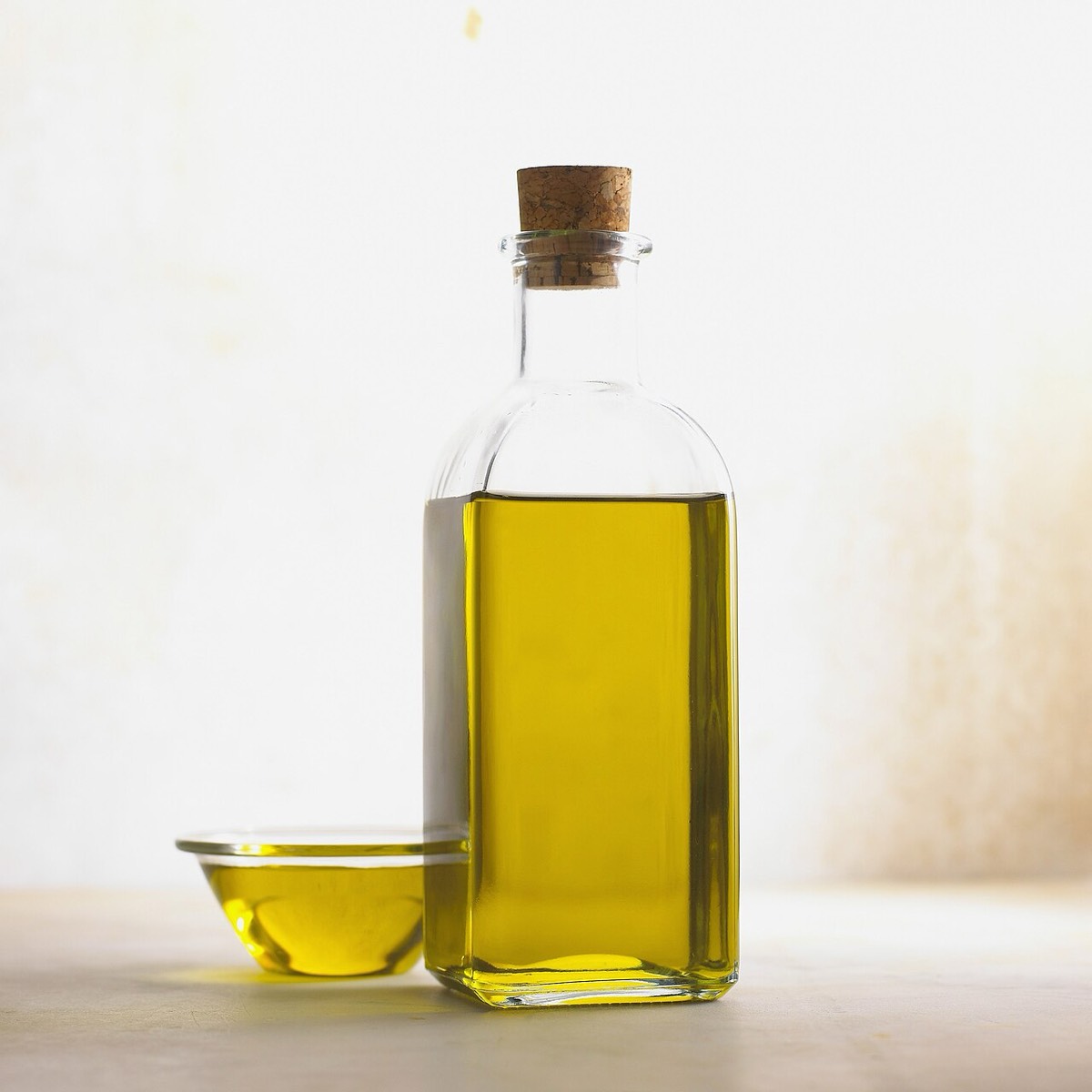
Olive oil is often credited with brain benefits, but the review asked a narrower question: what do controlled human studies show when an olive-derived product is given by mouth and cognition is measured with validated tests? PubMed, Web of Science and ClinicalTrials.gov were searched, with updates through 18 September 2026.
Thirteen reports from 12 randomized cohorts were included. Only three directly tested an olive-derived intervention. Three tested extra-virgin olive oil inside wider Mediterranean-diet programmes, so the oil could not be separated from the rest of the diet. Seven used olive oil as the comparison for a different intervention, which says nothing about olive oil itself.
The direct trials reported isolated differences in ADAS-Cog, blood-brain barrier permeability, functional connectivity and MMSE preservation, but these did not hold across global cognition, domain tests, daily function or biological measures. Three reports were at high risk of bias, the other ten raised some concerns, none was at low risk, and certainty of evidence was low or very low for most outcomes. The authors conclude the findings do not establish clinical efficacy.
How thin the olive-oil evidence is
13
Reports included
12
Randomized cohorts
3
Reports directly testing an olive-derived intervention
7
Reports using olive oil only as a comparator
0
Reports at low overall risk of bias
Narrative systematic review; risk of bias rated with Cochrane RoB 2 and certainty with GRADE. Not a meta-analysis, because the studies tested different questions.
- Extra-virgin olive oil is rich in phenolic compounds that refined olive oil largely lacks, so 'olive oil' trials are not interchangeable.
- MMSE and ADAS-Cog are standard cognitive tests; a change in one does not guarantee a change in daily functioning.
- In many trials olive oil is simply the 'placebo' fat, which is why seven of the 13 reports could not show an olive-oil effect.
- Mediterranean-diet trials change many foods at once, so credit for a result cannot be given to one ingredient.
- Olea europaea-derived interventions and cognitive outcomes across cognitive aging, mild cognitive impairment, and Alzheimer's disease: a systematic review of controlled clinical studiesFrontiers in Nutrition, 4 November 2026 · Open-access review; report counts, risk-of-bias and certainty judgments checked against the published abstract.
- Bottle of olive oilWikimedia Commons · CC0 photograph; general illustration only.
General information, not medical advice. Memory loss and cognitive decline need individual medical assessment; olive oil is not a treatment for dementia.
Analysis by NutroPractic from the sources listed. Written for general readers; it does not replace advice from your own doctor.
From our articles
Our guides on this subject
Plain-language guides on nutrition and wellness, backed by research.

Women's wellness and nutrition
Creatine for women: cognitive performance, menstrual cycle phases, and bone density beyond muscle building
Creatine is widely stereotyped as a bodybuilding supplement for men, but female physiology tells a very different story. Women exhibit 70% to 80% lower endogenous creatine stores, reduced dietary intake, and cyclical fluctuations in brain creatine kinase across the follicular and luteal phases. Robust clinical trials demonstrate that 3 to 5 grams of daily creatine monohydrate enhances cognitive performance during sleep deprivation, augments clinical response in unipolar depression, preserves femoral neck bone geometry in postmenopausal women, and causes cellular intracellular hydration rather than subcutaneous bloating.
13 Nov 2026

Healthy ageing
Creatine beyond the gym: what it does for older adults and women, and what it doesn't
Across 22 trials, adults in their late fifties to seventies who took creatine while doing resistance training gained about 1.4 kg more lean mass than those who trained without it. Two two-year trials found it did nothing for bone density after menopause. Where the evidence is solid, where it's early (memory, short nights), how much to take, and who should leave it alone.
10 Oct 2026

Everyday eating
Extra virgin olive oil polyphenols: the EU health claim, smoke point myths, and cooking stability
Does extra virgin olive oil degrade when cooked? What does the EU 5 mg polyphenol health claim require, how does oleocanthal act like ibuprofen, and why does oxidative stability matter more than smoke point in domestic frying? Here is the clinical and culinary data.
21 Nov 2026
Newsfeed for your website
Want this feed on your website?
Add it to any site with one copy-and-paste snippet. No sign-up, and it updates itself every hour.
Start with a virtual consultation
Tell Dr. Triveni what you want to change. You will leave with a clear next step, whether you are in Toronto, London, New York or Chennai.