Gut health · November 13, 2026
Five extra grams of resistant starch a day changed neither metabolic markers nor the overall gut microbiome in a 30-woman pilot
The strongest bacterial signal disappeared after correction for multiple tests—a useful negative result from an eight-week food-based trial.
Researchers randomized 30 women aged 40 or older who had at least two features of metabolic syndrome to eat either higher-resistant-starch foods or control foods for eight weeks. Both the participants and investigators were blinded to the assignments.
The higher-starch group averaged 7.9 grams of resistant starch a day, compared with 2.4 grams in the control group. Despite that separation, the trial found no significant between-group difference in its primary metabolic outcomes or in overall gut-microbiome diversity and composition.
For systolic blood pressure, the adjusted difference was −1.7 mmHg, but the 95% confidence interval ran from −6.4 to 2.9 mmHg and included no effect. Veillonella produced the strongest genus-level signal, yet it did not remain statistically significant after false-discovery-rate correction.
This was a pilot, not evidence that resistant starch never matters. It tested a modest food-based increase for eight weeks in a small, specific group. Its value is in showing that an intriguing uncorrected microbiome result should not be promoted as a proven benefit.
Food-based resistant-starch pilot (11 November 2026)
30
Women randomized
8 weeks
Double-blind intervention
7.9 vs 2.4 g/day
Mean resistant-starch intake
−1.7 mmHg
Adjusted systolic-pressure difference
q = 0.070
Veillonella result after FDR correction
Small randomized pilot in women with metabolic-syndrome risk factors. No primary metabolic, global microbiome or corrected secondary outcome differed significantly between groups.
- Resistant starch reaches the large intestine without being fully digested in the small intestine.
- Cooling cooked rice or potatoes can increase some forms of resistant starch, but the amount depends on the food and preparation.
- False-discovery-rate correction helps control chance findings when researchers test many microbes at once.
- A confidence interval crossing zero means the blood-pressure result was compatible with benefit, no effect or harm.
- Food-based resistant starch, metabolic outcomes and the gut microbiome in women with metabolic syndrome risk factors: a randomized, double-blind pilot trialJournal of Nutritional Science / PubMed · Primary trial abstract with intake, metabolic, microbiome and multiple-testing results. Published 11 November 2026.
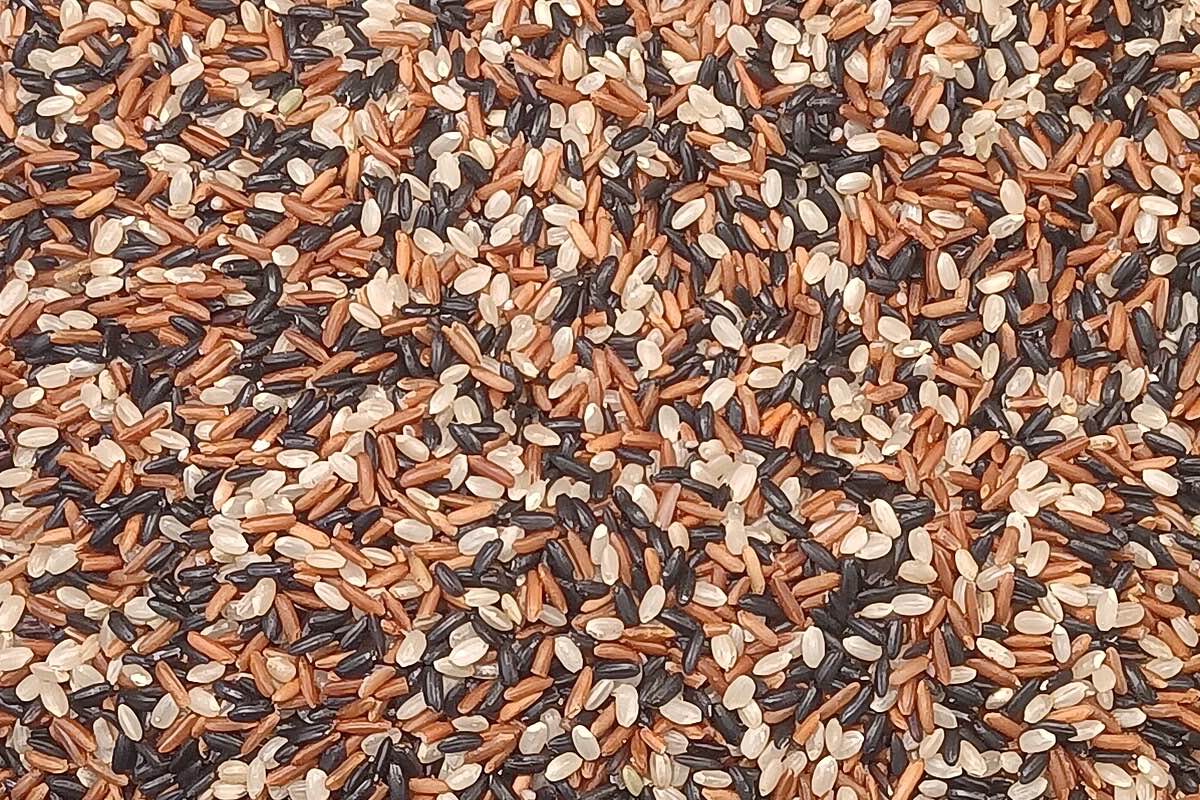
- Tricolor brown riceWikimedia Commons · Fumikas Sagisavas, CC0. General resistant-starch food illustration only.
General information, not a treatment plan for metabolic syndrome. Discuss major dietary changes with a qualified clinician or dietitian, especially if you take glucose- or blood-pressure-lowering medicine.
Analysis by NutroPractic from the sources listed. Written for general readers; it does not replace advice from your own doctor.
From our articles
Our guides on this subject
Plain-language guides on nutrition and wellness, backed by research.

Gut health
Probiotic capsules: which ones have trial evidence, what they can do, and when to skip them
Children on antibiotics: 8% got diarrhoea with a probiotic, 19% without. Older hospital patients: 10.8% with, 10.4% without. Which capsules have evidence, what three guidelines say about IBS, what a course costs per case prevented, and who shouldn't take them.
2 Nov 2026

Gut health
Gluten-free without coeliac disease: who actually benefits, and what the blinded gluten challenges found
In blinded trials only 16% of people who said gluten made them ill reacted to gluten rather than placebo, and in Oslo fructans caused more bloating than gluten. Who really needs to avoid it, how to get tested before you stop, how much gluten is in a slice of bread or a roti, and what gluten-free food costs (159% more in the UK) and lacks.
1 Nov 2026

Gut health
Lactose intolerance: how much milk most people can actually tolerate, and which dairy is easiest
Most adults who don't digest lactose well still handle about 12 g at once, roughly a 250 ml glass of milk, in blinded trials. What the 12 g studies found, a lactose table for milk, yoghurt, cheese, chai and dahi, how lactase tablets and A2 milk compare, why the famous 68% figure was retracted, and how to keep calcium up if you cut back.
25 Oct 2026
Newsfeed for your website
Want this feed on your website?
Add it to any site with one copy-and-paste snippet. No sign-up, and it updates itself every hour.
Start with a virtual consultation
Tell Dr. Triveni what you want to change. You will leave with a clear next step, whether you are in Toronto, London, New York or Chennai.