Plant-based diets · November 11, 2026
What replaced animal foods mattered in a four-diet study of 235 Swedish young people
Plant-based eaters gained fibre and cut saturated fat, but vitamin D, B12, selenium—and calcium for vegans—needed closer attention.
Researchers examined four 24-hour diet recalls from 235 people aged 16 to 24 in Sweden: 60 vegans, 59 lacto-ovo-vegetarians, 55 pescatarians and 61 omnivores. Rather than asking only which group ate more of a nutrient, they mapped which food categories supplied it.
As animal foods were excluded, meat analogues, legumes, cereals and grains supplied larger shares of protein, iron, calcium, selenium and zinc. Fortified dairy alternatives became increasingly important sources of vitamin D, riboflavin, vitamin B12 and calcium, especially for vegans.
The trade-off was not simply good or bad. More plant-based patterns delivered more fibre and less saturated fat, yet average vitamin D, B12 and selenium intakes were lower in vegan and lacto-ovo-vegetarian groups than in omnivores. Calcium was also lower among vegans.
Four recalls offer a detailed snapshot but not a blood test or proof of deficiency, and the Swedish food supply includes particular fortification practices. The practical lesson is about replacement: removing an animal food does not automatically replace the nutrients it supplied, so the choice of legumes, grains, analogues, fortified products and supplements matters.
Swedish youth diet-source study (31 October 2026)
235
Participants aged 16–24
60
Vegans
59
Lacto-ovo-vegetarians
55
Pescatarians
4
24-hour recalls per participant
Cross-sectional dietary-recall study. It estimated food sources and average intake, not nutrient biomarkers or long-term health outcomes.
- Lacto-ovo-vegetarian diets include dairy and eggs, while pescatarian diets also include fish and seafood.
- Fortification adds nutrients to a food; not every plant-based milk or meat analogue is fortified in the same way.
- Vitamin B12 is naturally concentrated in animal-derived foods, making reliable fortified foods or supplements especially important in vegan diets.
- Selenium content in plant foods varies with the soil where they were grown, so food-composition values differ by region.
- Food categories contributions to energy and nutrient intakes among youth adhering to vegan, lacto-ovo-vegetarian, pescatarian or omnivorous dietsEuropean Journal of Nutrition / PubMed · Primary study abstract with group sizes, recall method, nutrient sources and average-intake findings. Published 31 October 2026.
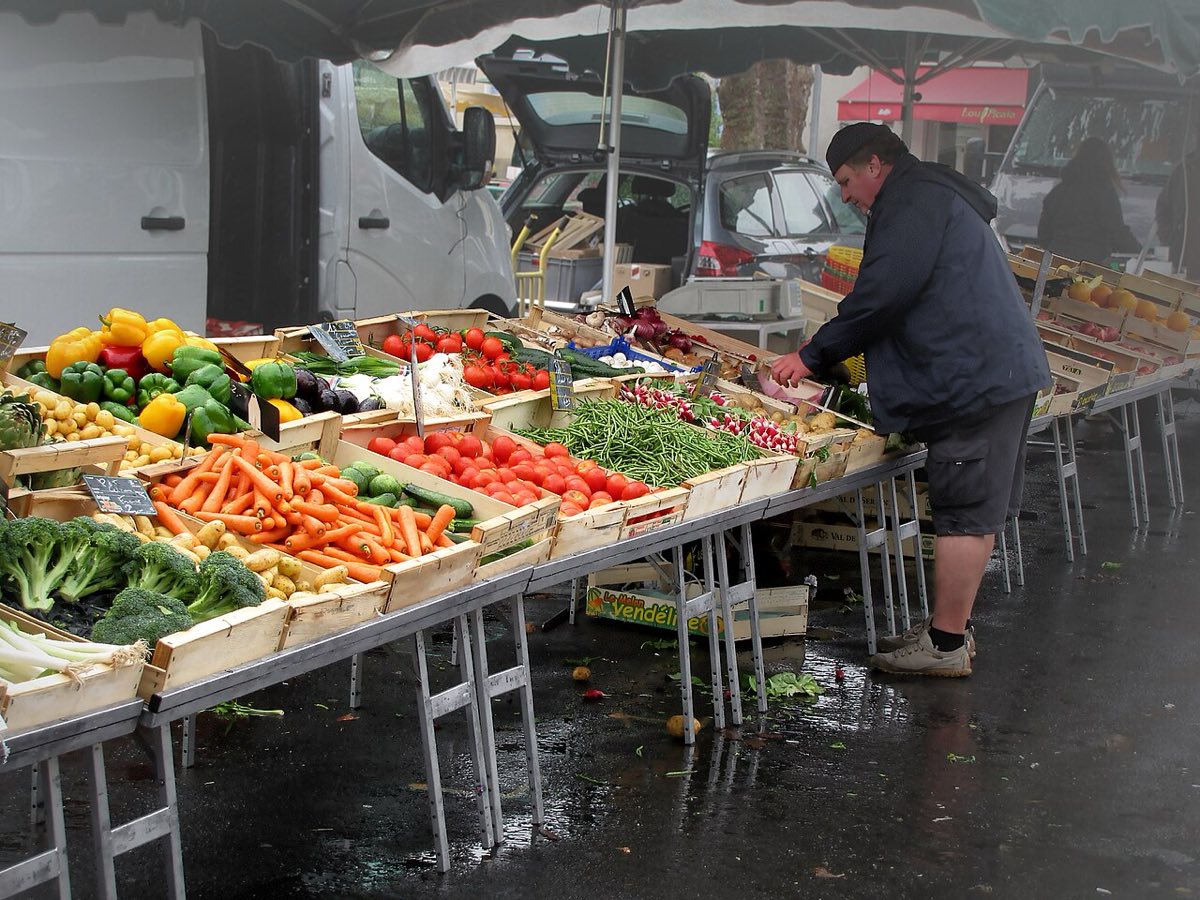
- Greengrocer at a street market in France, DordogneWikimedia Commons · Joenomias Menno De Jong; CC0 public-domain dedication; general illustration only.
General information, not a diagnosis or personalized plant-based diet plan. Nutrient needs vary; a qualified dietitian or clinician can help assess fortified foods, supplements and laboratory testing.
Analysis by NutroPractic from the sources listed. Written for general readers; it does not replace advice from your own doctor.
From our articles
Our guides on this subject
Plain-language guides on nutrition and wellness, backed by research.
Micronutrients
Vitamin D and B12: two common gaps, from northern winters to vegetarian kitchens
Vitamin D runs low in Canadian and European winters, and surprisingly often in sunny India too. Vitamin B12 is a risk for vegetarians, people over 50 and people on certain medicines. Who is at risk, what the official advice is in North America, Europe and India, and where to get both.
3 Oct 2026

Cardiovascular wellness
Psyllium husk: how much soluble fibre lowers LDL cholesterol and stabilizes post-meal glucose in clinical trials
Viscous soluble fibre forms a thick gel matrix in the small intestine that binds bile acids and blunts post-meal glucose spikes. Across dozens of randomized controlled trials, 7 to 10.2 grams of psyllium daily lowers LDL cholesterol by 6% to 12% without stripping HDL, while reducing postprandial glucose surges by 15% to 25% in metabolic syndrome and type 2 diabetes. Discover the bile acid sequestration mechanism, trial meta-analyses, exact timing before meals, water ratios, and titration protocols to avoid gas and cramping.
13 Nov 2026
Micronutrients
Iodine: the nutrient that plant-based milks and sea salt left out
Iodine runs the thyroid and builds a baby's brain, and in the UK, much of Europe and parts of North America women of childbearing age are now mildly short of it. The reason is often a healthy-looking swap: oat milk for dairy, sea salt for table salt. Where iodine comes from, who needs more, and the seaweed trap.
30 Oct 2026
Newsfeed for your website
Want this feed on your website?
Add it to any site with one copy-and-paste snippet. No sign-up, and it updates itself every hour.
Start with a virtual consultation
Tell Dr. Triveni what you want to change. You will leave with a clear next step, whether you are in Toronto, London, New York or Chennai.