Child nutrition · November 11, 2026
Practical food education coincided with striking anaemia and growth gains in 1,012 young children
A 16-community Ethiopian trial reported large differences after behaviour-focused teaching—but its unequal starting points and unusually large shifts call for careful replication.
A cluster-randomized trial assigned 16 rural community units in central Ethiopia to dietary-intake behaviour education or comparison care. It enrolled 1,012 mother–child pairs; the children were 6 to 59 months old. Teaching focused on food preparation, feeding practices and maternal nutrition knowledge.
At the start, iron-deficiency anaemia was already more common in intervention communities: 22.13% versus 14.2%. By the end, prevalence had fallen to 6.5% in the intervention group but risen to 20.4% in controls. Stunting began near 41% in both groups, then was reported at 15.0% versus 51.8%, respectively.
The adjusted analysis linked the programme with a 0.744 increase in height-for-age z score. Better food-preparation practices and awareness of iron-deficiency anaemia were also associated with better height-for-age scores.
Those changes are unusually large for education alone, and the baseline imbalance in anaemia complicates a simple before-and-after comparison. The findings are promising for community-based support, but readers should not assume the same effect in another setting until the full methods, implementation and independent replications are considered.
Rural Ethiopia cluster trial (6 November 2026)
16
Community units randomized
1,012
Mother–child pairs
6.5%
Intervention anaemia at endline
20.4%
Control anaemia at endline
15.0% vs 51.8%
Endline stunting prevalence
Cluster-randomized trial. Iron-deficiency anaemia prevalence differed at baseline, and the very large endline differences deserve cautious interpretation and replication.
- A cluster trial assigns whole communities rather than individual families, helping reduce spillover of education between neighbours.
- Height-for-age z scores compare a child's height with WHO growth standards for the same age and sex.
- Stunting describes low height for age; it is a population indicator and not a complete assessment of one child's health.
- Anaemia has several causes. Low iron is common, but infection, inherited blood conditions and other nutrient deficiencies can also contribute.
- Effect of a dietary behaviour change education intervention on iron status and linear growth in children aged 6 to 59 months: a cluster-randomised controlled trial in rural EthiopiaPrimary Health Care Research & Development / PubMed · Primary trial abstract with allocation, baseline and endline prevalence and adjusted height-for-age result. Published 6 November 2026.
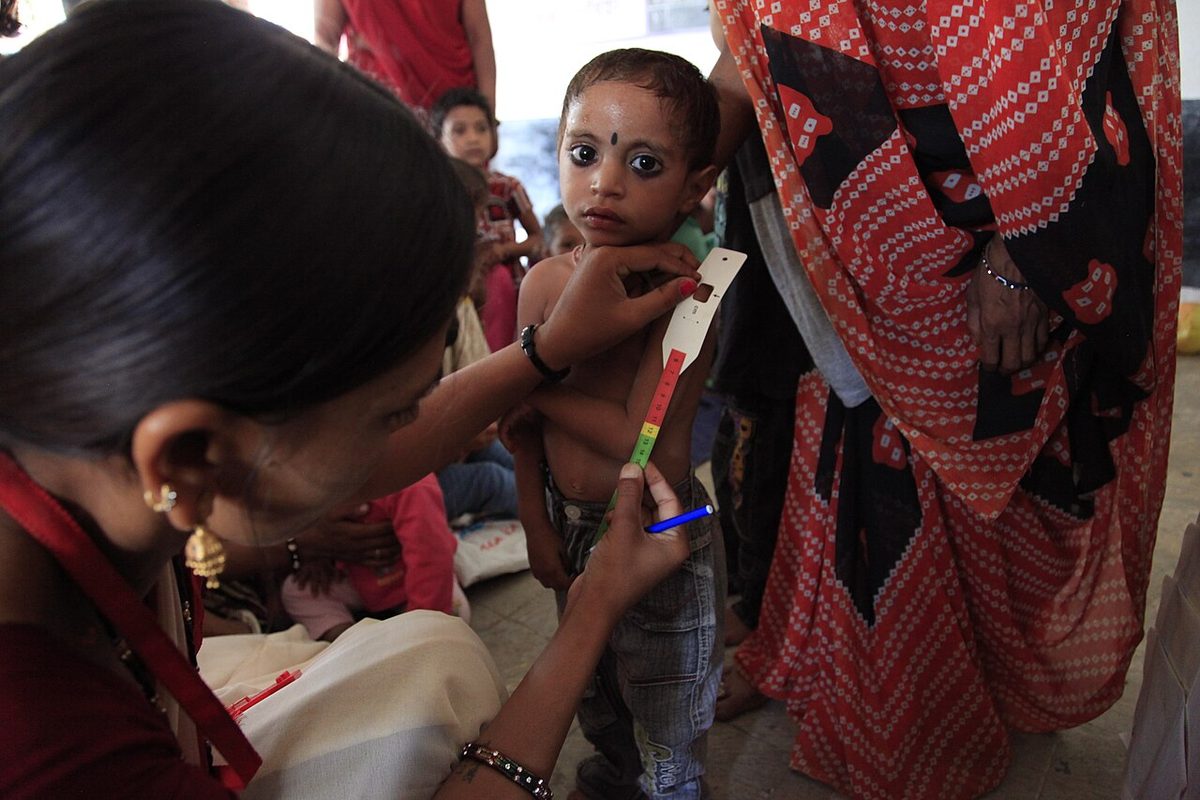
- Measuring for malnutrition in Madhya PradeshWikimedia Commons · DFID, CC BY 2.0; illustration only and not from Ethiopia or the trial.
General information, not a substitute for paediatric assessment. Anaemia and poor growth require evaluation of diet, illness and other possible causes by qualified health professionals.
Analysis by NutroPractic from the sources listed. Written for general readers; it does not replace advice from your own doctor.
From our articles
Our guides on this subject
Plain-language guides on nutrition and wellness, backed by research.
Children's nutrition
Feeding a teenage athlete: energy, iron, calcium and the sports drink question
Teenage athletes are growing and training at the same time, and under-eating (REDs) is found in up to 80% of female and 70% of male athletes in studies. A worked energy example for a 15-year-old footballer, protein and carbohydrate targets, iron and calcium in the growth spurt, when sports drinks help and when they are dessert, and the supplements to skip.
20 Oct 2026
Medicines and nutrition
Oral iron or an infusion? Hepcidin, alternate-day dosing and when IV iron fits
A 60 mg iron dose can raise hepcidin into the next day. Here is what alternate-day trials measured, why more pills are not always more absorption, and the situations where clinicians move to IV iron.
12 Nov 2026
Children's nutrition
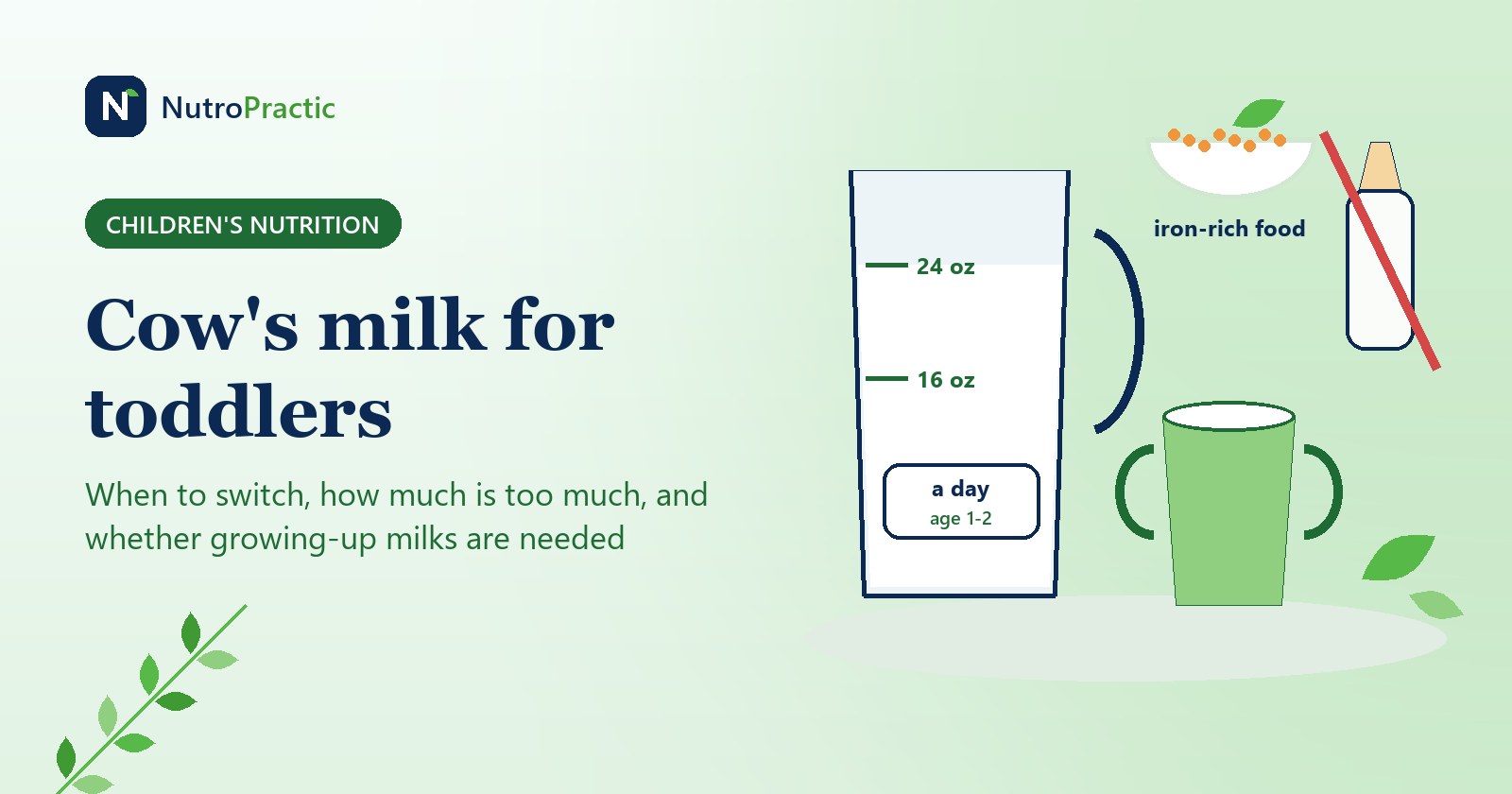
Cow's milk for toddlers: when to switch, how much is too much, and whether growing-up milks are needed
Whole milk as a drink from 12 months, about 2 cups a day, and no more than 24 oz or 750 ml: past that, milk crowds out the food that brings in iron. What the US, UK, Canadian, WHO and Indian guidance says, what the Toronto milk-and-iron study found, why toddler milks earn no place, and which plant milks work for under-5s.
27 Oct 2026
Newsfeed for your website
Want this feed on your website?
Add it to any site with one copy-and-paste snippet. No sign-up, and it updates itself every hour.
Start with a virtual consultation
Tell Dr. Triveni what you want to change. You will leave with a clear next step, whether you are in Toronto, London, New York or Chennai.