Newsfeed
Nutrition research, analysed
A new analysis every hour. Each one covers a recent study or report: What was found, the numbers behind it and the sources to check. We write about research from the last two weeks, not the news of the day.
Diet patterns · November 13, 2026
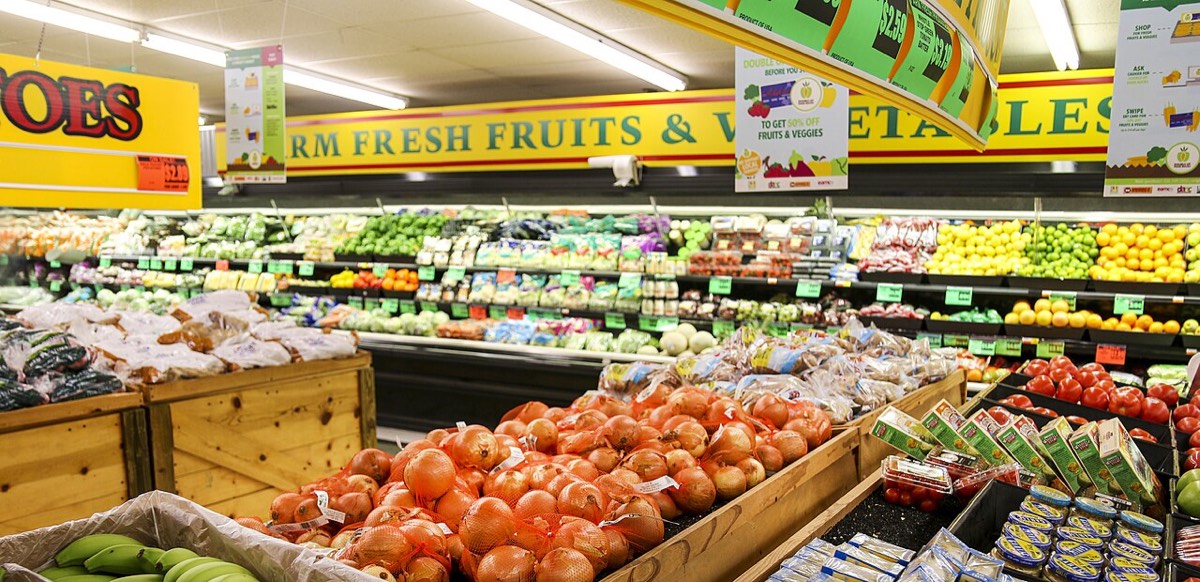
Plant-forward eaters in a 33,532-person US survey had lower odds of obesity and diabetes—but the snapshot cannot prove why
The highest-adherence group had 30% lower adjusted odds of obesity and 28% lower odds of diabetes, with no clear association for prediabetes.
Read the analysis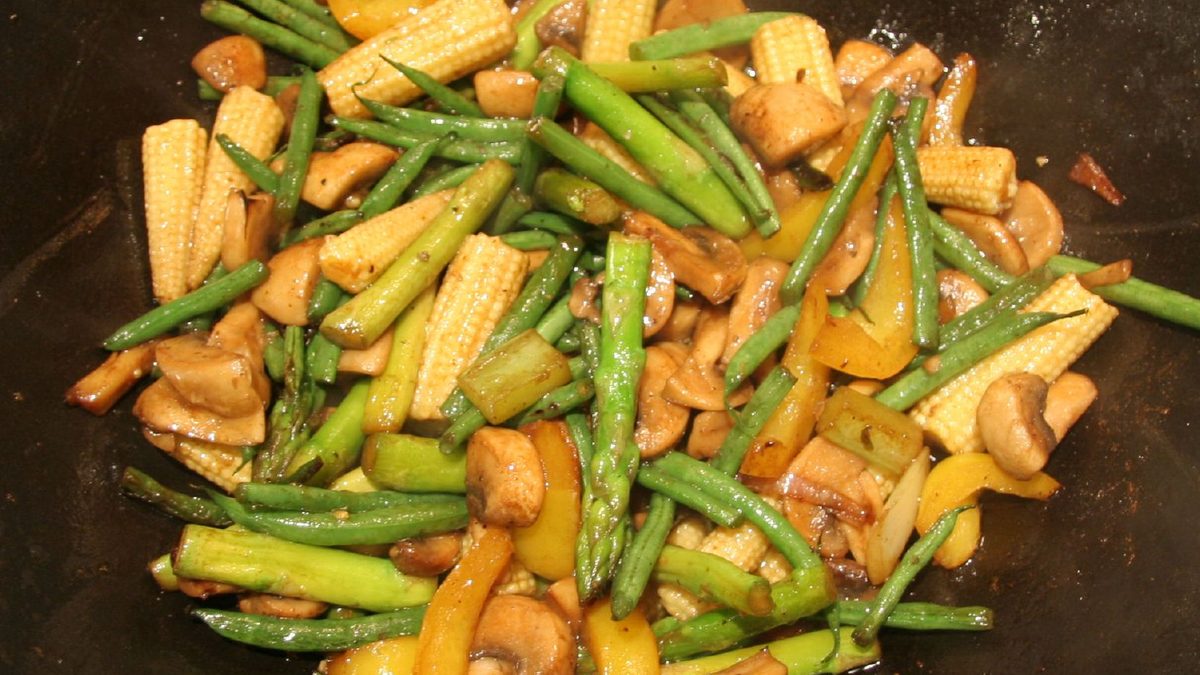
Family food · November 13, 2026
For 1,045 UK parents, the workable route to less meat looked more like a familiar stir-fry than a complete diet overhaul
Cost, convenience and concern about processing were barriers; substitutions and meals mixing animal and non-animal proteins felt more practical.
Read the analysis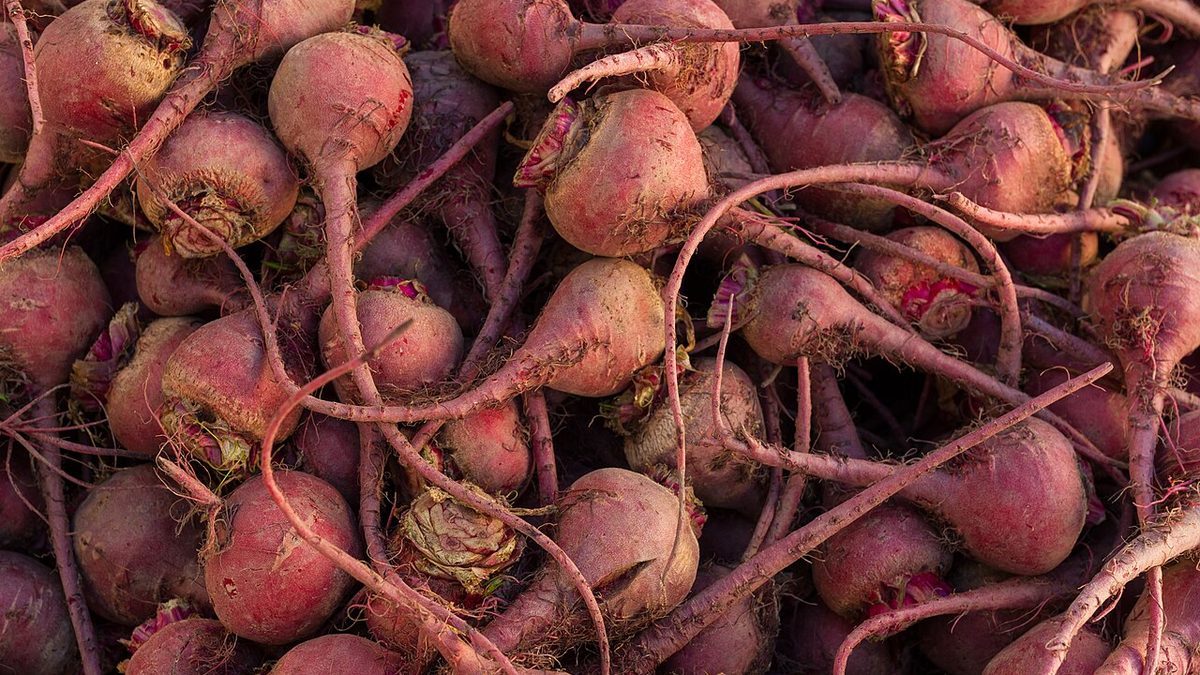
Supplement research · November 13, 2026
A multi-ingredient supplement improved artery tests in 61 adults—but 18 did not complete both visits
After six months, flow-mediated dilation and systolic blood pressure moved in a favourable direction, while cholesterol did not.
Read the analysis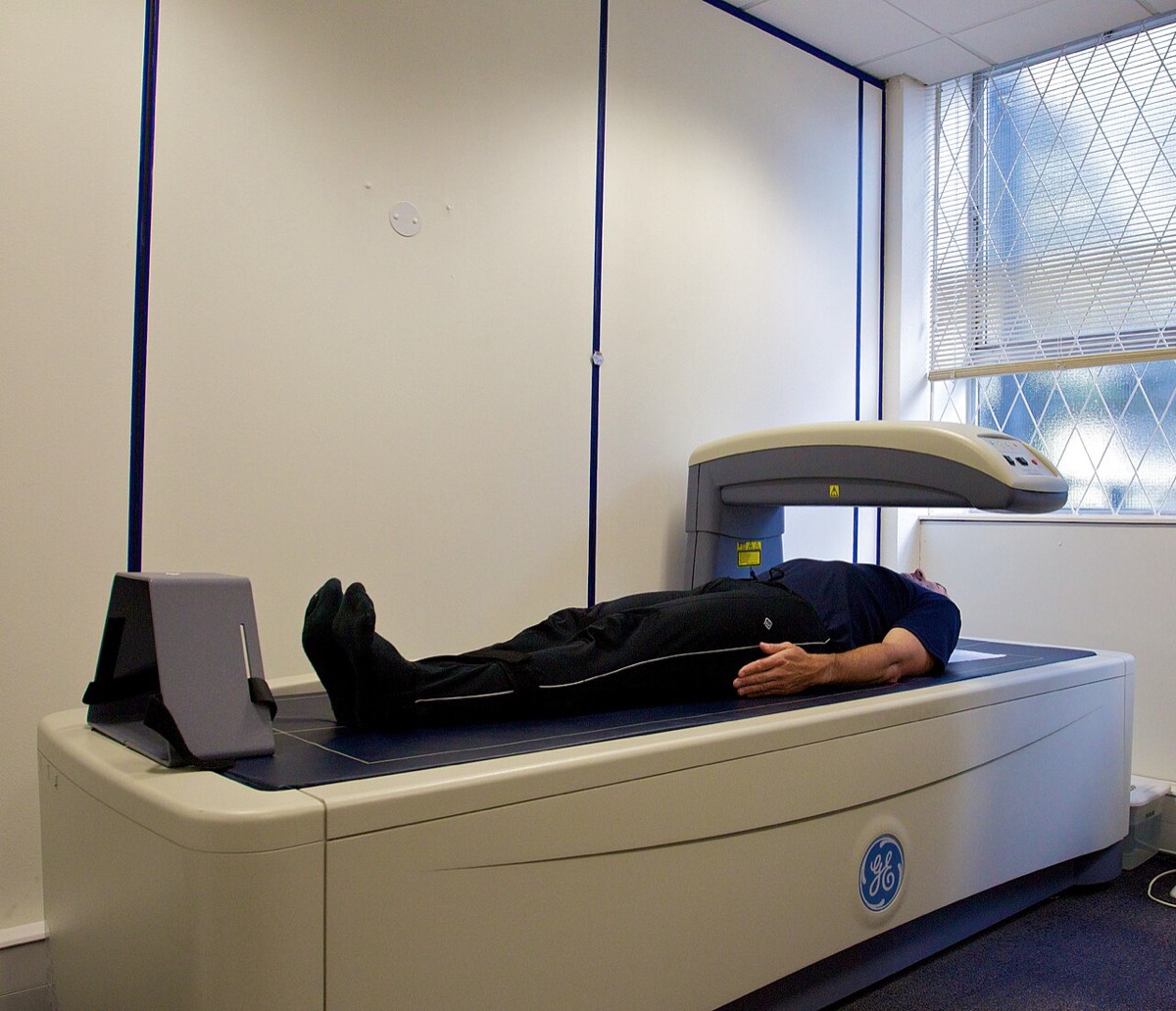
Bone health · November 13, 2026
Old CT scans flagged many future fracture cases that had never received standard bone-density screening
In 4,418 adults, CT-derived osteoporosis thresholds tracked with up to 2.86 times the fracture risk—but remain a prompt for evaluation, not a stand-alone diagnosis.
Read the analysis
Fasting research · November 13, 2026
Two days without food slowed a fine-motor test in 13 women; cold water changed nerve signals, not the study's bigger limitation
The crossover experiment found preserved strength and jumping—but only 13 participants and no clean evidence that cold exposure rescued performance.
Read the analysis
Pregnancy nutrition · November 13, 2026
First-trimester gut bacteria only modestly separated small or preterm newborn outcomes in 213 pregnancies
A microbiome model performed better for inflammation markers than for birth outcome—and did not reliably predict micronutrient levels or anaemia.
Read the analysisFood environment · November 13, 2026
Healthy checkouts drew more support when the message mentioned parents and children—not simply ‘more choice’
In a 3,978-person US experiment, support ranged from 61% to 68% depending on how the same policy was explained.
Read the analysis
Kidney health · November 13, 2026
A lower-protein diet preserved one experimental kidney measure in 135 adults—but standard eGFR did not change differently
After six months, renal function reserve fell less with 0.6 than 0.8 grams of protein per kilogram, a finding the authors call hypothesis-generating.
Read the analysis
Obesity treatment · November 13, 2026
Survodutide passed a cardiovascular safety test in 5,530 adults—but about one in five stopped treatment because of gut side effects
Major cardiovascular events were no more frequent than with placebo, while nausea affected nearly half of participants on the drug.
Read the analysis
Food psychology · November 13, 2026
Saying ‘it is okay’ to eat unhealthy foods in moderation made ambiguous foods look healthier in a 435-person experiment
The friendly wording shifted classification more than a plain moderation line, suggesting that permission can quietly change what people think the label means.
Read the analysis
Healthy living · November 13, 2026
The least favourable lifestyle scores tracked with two to three times the heart, stroke and mortality risk in 9,920 Singapore adults
Across 14 years, the combined score predicted cardiovascular outcomes—but not cancer—and could not separate diet from the other four behaviours.
Read the analysis
Diabetes research · November 13, 2026
Two routine blood-derived indices identified a higher-risk diabetes pattern across three populations—but added complexity did not always improve prediction
The high-triglyceride-glucose, low-insulin-sensitivity combination had the largest estimates, while one index supplied most of the extra model information.
Read the analysisFrom our articles
Read, then eat a little better
Plain-language guides on nutrition and wellness, backed by research.

Women's health
Inositol for PCOS: the 40:1 ratio, trial doses, and food milligrams
Why do randomized trials in polycystic ovary syndrome prioritize the 40:1 myo to D-chiro inositol ratio? Here is the science behind the ovarian epimerase paradox, clinical ovulation and insulin metrics, and why cantaloupe cannot replace 4,000 mg trial powder.
21 Nov 2026

Everyday eating
Extra virgin olive oil polyphenols: the EU health claim, smoke point myths, and cooking stability
Does extra virgin olive oil degrade when cooked? What does the EU 5 mg polyphenol health claim require, how does oleocanthal act like ibuprofen, and why does oxidative stability matter more than smoke point in domestic frying? Here is the clinical and culinary data.
21 Nov 2026

Food and nutrition
L-theanine and caffeine: what cognitive trials measured on sustained attention, and milligrams in matcha vs green tea
Combining L-theanine with caffeine produces clean focus without caffeine jitters. Here is what randomized trials measured on attention-switching, EEG alpha brain waves, and the exact milligrams across ceremonial matcha, culinary powder, gyokuro, and sencha.
20 Nov 2026
Start with a virtual consultation
Tell Dr. Triveni what you want to change. You will leave with a clear next step, whether you are in Toronto, London, New York or Chennai.