Obesity treatment · November 13, 2026
Survodutide passed a cardiovascular safety test in 5,530 adults—but about one in five stopped treatment because of gut side effects
Major cardiovascular events were no more frequent than with placebo, while nausea affected nearly half of participants on the drug.

A phase 3 trial enrolled 5,530 adults with overweight or obesity and cardiovascular disease, chronic kidney disease or multiple cardiovascular risk factors. Participants were assigned to weekly survodutide at one of two target doses or placebo and followed for a median 22 months.
The primary composite cardiovascular outcome occurred in 136 of 3,671 participants assigned survodutide and 76 of 1,836 assigned placebo: 3.7% versus 4.1%. The hazard ratio was 0.89, with a 95% confidence interval from 0.67 to 1.18, meeting the trial's prespecified test for non-inferiority.
Safety did not mean easy tolerability. Nausea affected 48–49% of participants assigned survodutide versus 12.1% with placebo, and vomiting affected 31.7–34.0% versus 4.8%. Gastrointestinal adverse events led 19.3–20.8% of the survodutide groups to stop treatment, compared with 1.9% of the placebo group.
This was designed mainly to rule out an unacceptable increase in cardiovascular events, not to prove the medicine prevents them. It was also funded by the drug's manufacturer. The result is reassuring about cardiovascular safety within the trial period, while the discontinuation figures show why average weight-loss results never tell the whole treatment story.
SYNCHRONIZE-CVOT phase 3 trial (9 November 2026)
5,530
Adults randomized
22 months
Median time in study
3.7% vs 4.1%
Primary cardiovascular outcome
0.89
Hazard ratio, survodutide vs placebo
19.3–20.8%
Stopped for gastrointestinal adverse events
Manufacturer-funded cardiovascular safety trial. Non-inferiority means the study ruled out its prespecified degree of excess risk; it does not establish cardiovascular benefit.
- Survodutide activates both glucagon and GLP-1 receptors and was injected once a week in this trial.
- The composite endpoint included cardiovascular death, heart attack, stroke, coronary revascularisation and heart-failure events.
- Only 56–59% of each group remained on assigned treatment until study closeout, although the main analysis still followed randomized participants.
- Serious adverse-event rates were similar across the three groups despite the large difference in gastrointestinal symptoms.
- Cardiovascular outcomes with survodutide in adults with obesity at increased cardiovascular risk (SYNCHRONIZE-CVOT)The Lancet / PubMed · Primary phase 3 trial abstract with event, confidence-interval, adverse-event and discontinuation data. Published 9 November 2026.
- Punica granatum fruitWikimedia Commons · Jebulon, CC0. General metabolic-health illustration only.
General information, not a recommendation to use or stop an obesity medicine. These medicines require individual prescribing, dose adjustment and monitoring by a qualified clinician.
Analysis by NutroPractic from the sources listed. Written for general readers; it does not replace advice from your own doctor.
From our articles
Our guides on this subject
Plain-language guides on nutrition and wellness, backed by research.

Cardiovascular wellness
Psyllium husk: how much soluble fibre lowers LDL cholesterol and stabilizes post-meal glucose in clinical trials
Viscous soluble fibre forms a thick gel matrix in the small intestine that binds bile acids and blunts post-meal glucose spikes. Across dozens of randomized controlled trials, 7 to 10.2 grams of psyllium daily lowers LDL cholesterol by 6% to 12% without stripping HDL, while reducing postprandial glucose surges by 15% to 25% in metabolic syndrome and type 2 diabetes. Discover the bile acid sequestration mechanism, trial meta-analyses, exact timing before meals, water ratios, and titration protocols to avoid gas and cramping.
13 Nov 2026
Gut health
Probiotic capsules: which ones have trial evidence, what they can do, and when to skip them
Children on antibiotics: 8% got diarrhoea with a probiotic, 19% without. Older hospital patients: 10.8% with, 10.4% without. Which capsules have evidence, what three guidelines say about IBS, what a course costs per case prevented, and who shouldn't take them.
2 Nov 2026
Gut health
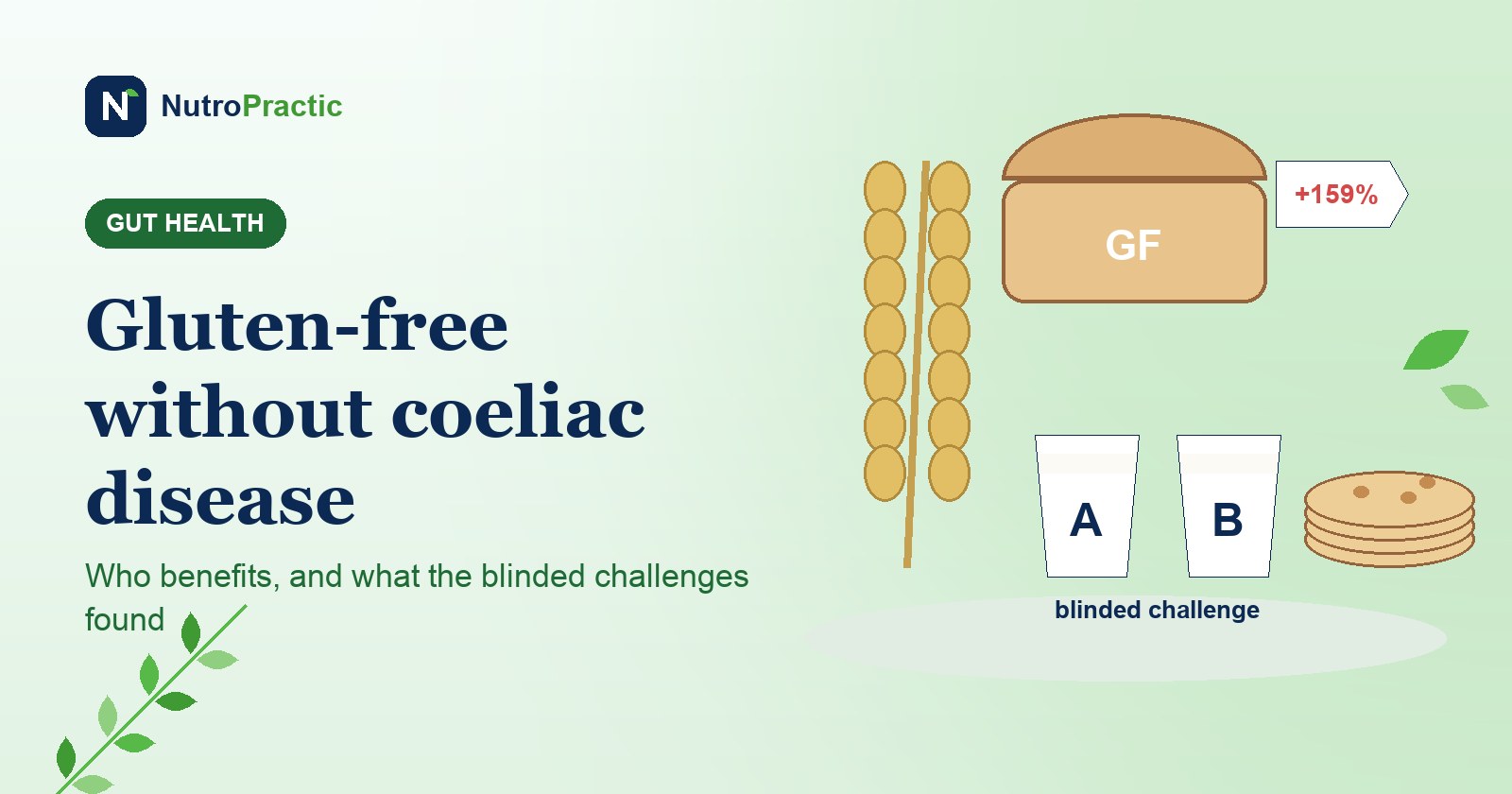
Gluten-free without coeliac disease: who actually benefits, and what the blinded gluten challenges found
In blinded trials only 16% of people who said gluten made them ill reacted to gluten rather than placebo, and in Oslo fructans caused more bloating than gluten. Who really needs to avoid it, how to get tested before you stop, how much gluten is in a slice of bread or a roti, and what gluten-free food costs (159% more in the UK) and lacks.
1 Nov 2026
Newsfeed for your website
Want this feed on your website?
Add it to any site with one copy-and-paste snippet. No sign-up, and it updates itself every hour.
Start with a virtual consultation
Tell Dr. Triveni what you want to change. You will leave with a clear next step, whether you are in Toronto, London, New York or Chennai.