Diet patterns · November 13, 2026
Plant-forward eaters in a 33,532-person US survey had lower odds of obesity and diabetes—but the snapshot cannot prove why
The highest-adherence group had 30% lower adjusted odds of obesity and 28% lower odds of diabetes, with no clear association for prediabetes.
Researchers analysed 33,532 adults in the US National Health and Nutrition Examination Survey from 2009 to 2023. They estimated plant-forward eating from the average of two 24-hour diet recalls and divided adherence into thirds.
After adjusting for demographic, socioeconomic, dietary and behavioural factors, people in the higher-adherence group had a body-mass index 1.45 units lower on average. Their adjusted odds of obesity were 0.70 and of diabetes 0.72 compared with lower adherence.
Prediabetes did not follow the same pattern: the adjusted odds ratio was 0.92, with a confidence interval from 0.82 to 1.04. Because that interval crosses 1, this study did not find a clear association for prediabetes.
The design is repeated cross-sectional, not a trial and not a study tracking diet before disease develops. Two days of recalled food may not represent someone's usual diet, and people who eat differently can differ in many other ways. The findings support a pattern worth testing, not a claim that the diet alone caused the differences.
NHANES analysis, 2009–2023 (5 November 2026)
33,532
US adults analysed
−1.45
Adjusted BMI difference
0.70
Adjusted odds ratio for obesity
0.72
Adjusted odds ratio for diabetes
0.92
Adjusted odds ratio for prediabetes
Survey-weighted, repeated cross-sectional analysis based on two 24-hour recalls. Associations remain vulnerable to measurement error, residual confounding and reverse causation.
- Plant-forward describes an emphasis on plant foods; it does not necessarily mean vegetarian or vegan.
- An odds ratio of 0.70 represents lower odds, not a 30% reduction in an individual's future risk.
- NHANES combines interviews and examinations to describe the civilian, non-institutionalized US population.
- People diagnosed with diabetes may change their eating pattern, one reason cross-sectional direction is difficult to interpret.
- Plant-Forward Dietary Patterns and Cardiometabolic Risk Among US Adults: NHANES, 2009–2023Preventing Chronic Disease / PubMed · Primary analysis abstract with sample, dietary assessment and adjusted estimates. Published 5 November 2026.
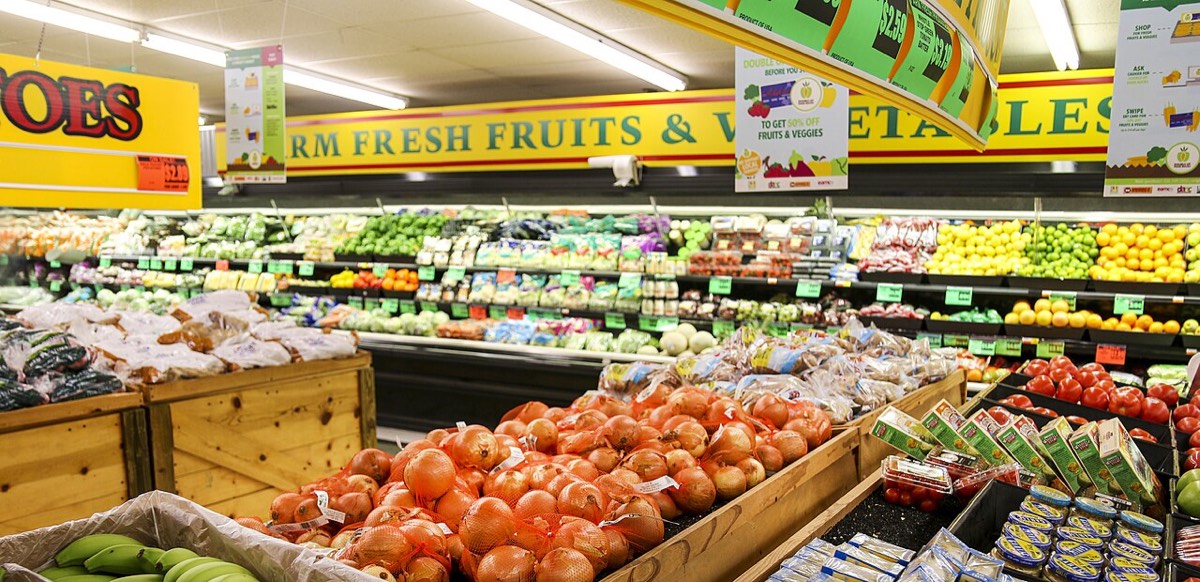
- Fruit section of a grocery storeWikimedia Commons · Alabama Extension, CC0. General grocery illustration only.
General information, not a diabetes treatment plan. People with diabetes should make major dietary changes with their clinician or registered dietitian and continue prescribed care.
Analysis by NutroPractic from the sources listed. Written for general readers; it does not replace advice from your own doctor.
From our articles
Our guides on this subject
Plain-language guides on nutrition and wellness, backed by research.
Diabetes
Type 2 diabetes remission through weight loss: what the DiRECT trial showed, and who it works for
Almost half of the people in one UK trial put their type 2 diabetes into remission in a year by losing weight. After five years it was 13%. What the trial did, why the amount of weight lost mattered more than the method, who it suits, and how to try it without hurting yourself.
11 Oct 2026
Global data
Diabetes, obesity, child malnutrition and hunger, 1980 to 2050: what the numbers show
How diabetes, obesity, child malnutrition and hunger have changed since 1980, with sourced figures and a basic projection to 2050. Click a condition to explore the chart and its facts.
5 Oct 2026
Women's health
PCOS and food: what the diet trials show for cycles, insulin and weight
PCOS affects about one woman in ten, and most are told to "lose weight" with little else. Here is what drives it, why insulin matters even in slim women, how much weight loss brings cycles back, what the low-GI and Mediterranean trials found, what inositol and metformin do, and which tests to ask for.
30 Oct 2026
Newsfeed for your website
Want this feed on your website?
Add it to any site with one copy-and-paste snippet. No sign-up, and it updates itself every hour.
Start with a virtual consultation
Tell Dr. Triveni what you want to change. You will leave with a clear next step, whether you are in Toronto, London, New York or Chennai.