Diabetes research · November 13, 2026
Two routine blood-derived indices identified a higher-risk diabetes pattern across three populations—but added complexity did not always improve prediction
The high-triglyceride-glucose, low-insulin-sensitivity combination had the largest estimates, while one index supplied most of the extra model information.
Researchers combined the triglyceride-glucose index, or TyG, with the single-point insulin-sensitivity estimator, or SPISE. Both are calculated from routine measurements and are intended to reflect aspects of insulin resistance without a specialized clamp test.
They analysed 4,933 adults in the China Health and Retirement Longitudinal Study, 2,703 in the English Longitudinal Study of Ageing and 10,080 US adults in NHANES. Participants in the prospective cohorts did not have diabetes at baseline.
The high-TyG, low-SPISE pattern had the largest risk estimates. Depending on cohort and analysis, estimates ranged from an odds ratio of 2.65 in China to a hazard ratio of 6.41 in one English analysis; in NHANES, the odds ratio for prevalent diabetes was 6.61.
Large relative estimates do not turn these indices into diagnoses. SPISE improved model fit beyond TyG, but adding TyG and their interaction to SPISE did not improve the Chinese model. The useful question is not only whether two markers associate with risk, but whether the second adds enough information to change care.
Joint TyG–SPISE analysis (11 November 2026)
17,716
Participants across three datasets
4,933
Chinese prospective cohort
2,703
English prospective cohort
10,080
US cross-sectional sample
6.61
US odds ratio for prevalent diabetes
Observational analyses using sample medians and fixed thresholds. Relative associations do not establish a diagnosis, an individual's absolute risk or benefit from changing either index.
- TyG is derived from fasting triglyceride and glucose measurements.
- SPISE combines triglycerides, HDL cholesterol and body-mass index in one estimate.
- An odds ratio for existing disease and a hazard ratio for future disease are not interchangeable.
- A marker can be statistically associated with diabetes yet add little useful prediction beyond another marker.
- Joint triglyceride-glucose index and single-point insulin sensitivity estimator phenotypes and diabetes outcomes across three populationsDiabetes Research and Clinical Practice / PubMed · Primary analysis abstract with cohort sizes, risk estimates and incremental-fit results. Published 11 November 2026.
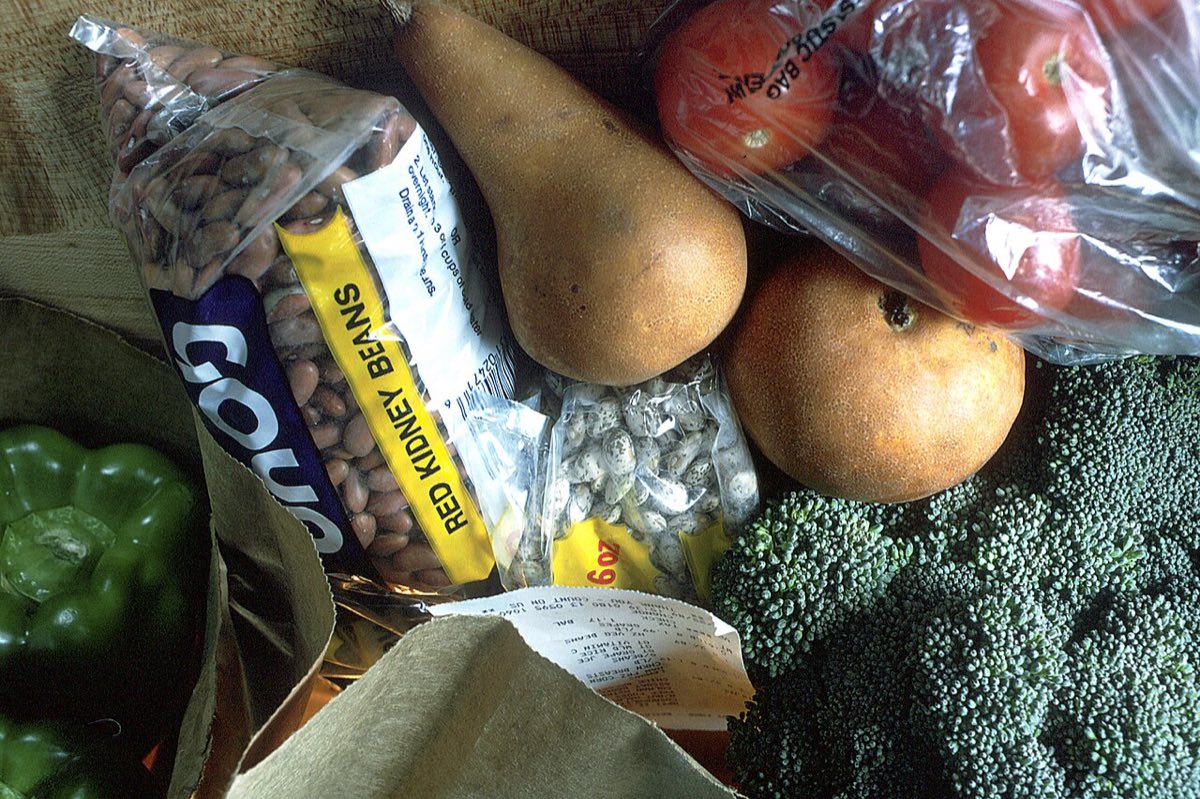
- Grocery bag of healthy foodsWikimedia Commons · Bill Branson, US National Cancer Institute, public domain. General cardiometabolic-health illustration only.
General information, not a diabetes screening or diagnosis tool. A qualified clinician should interpret glucose, lipids and diabetes risk in full clinical context.
Analysis by NutroPractic from the sources listed. Written for general readers; it does not replace advice from your own doctor.
From our articles
Our guides on this subject
Plain-language guides on nutrition and wellness, backed by research.

Cardiovascular wellness
Psyllium husk: how much soluble fibre lowers LDL cholesterol and stabilizes post-meal glucose in clinical trials
Viscous soluble fibre forms a thick gel matrix in the small intestine that binds bile acids and blunts post-meal glucose spikes. Across dozens of randomized controlled trials, 7 to 10.2 grams of psyllium daily lowers LDL cholesterol by 6% to 12% without stripping HDL, while reducing postprandial glucose surges by 15% to 25% in metabolic syndrome and type 2 diabetes. Discover the bile acid sequestration mechanism, trial meta-analyses, exact timing before meals, water ratios, and titration protocols to avoid gas and cramping.
13 Nov 2026
Heart health
Oats and beta-glucan: how many grams lower LDL, and how much steel-cut, rolled and instant oats it takes
The 3 g a day of beta-glucan behind the FDA and EFSA claims lowers LDL by about 0.25 mmol/L (10 mg/dL). That is roughly 60 to 68 g of dry oats or 50 g of oat bran a day. Grams per portion, glycaemic index by oat type and the gluten caveat.
17 Nov 2026
Diabetes
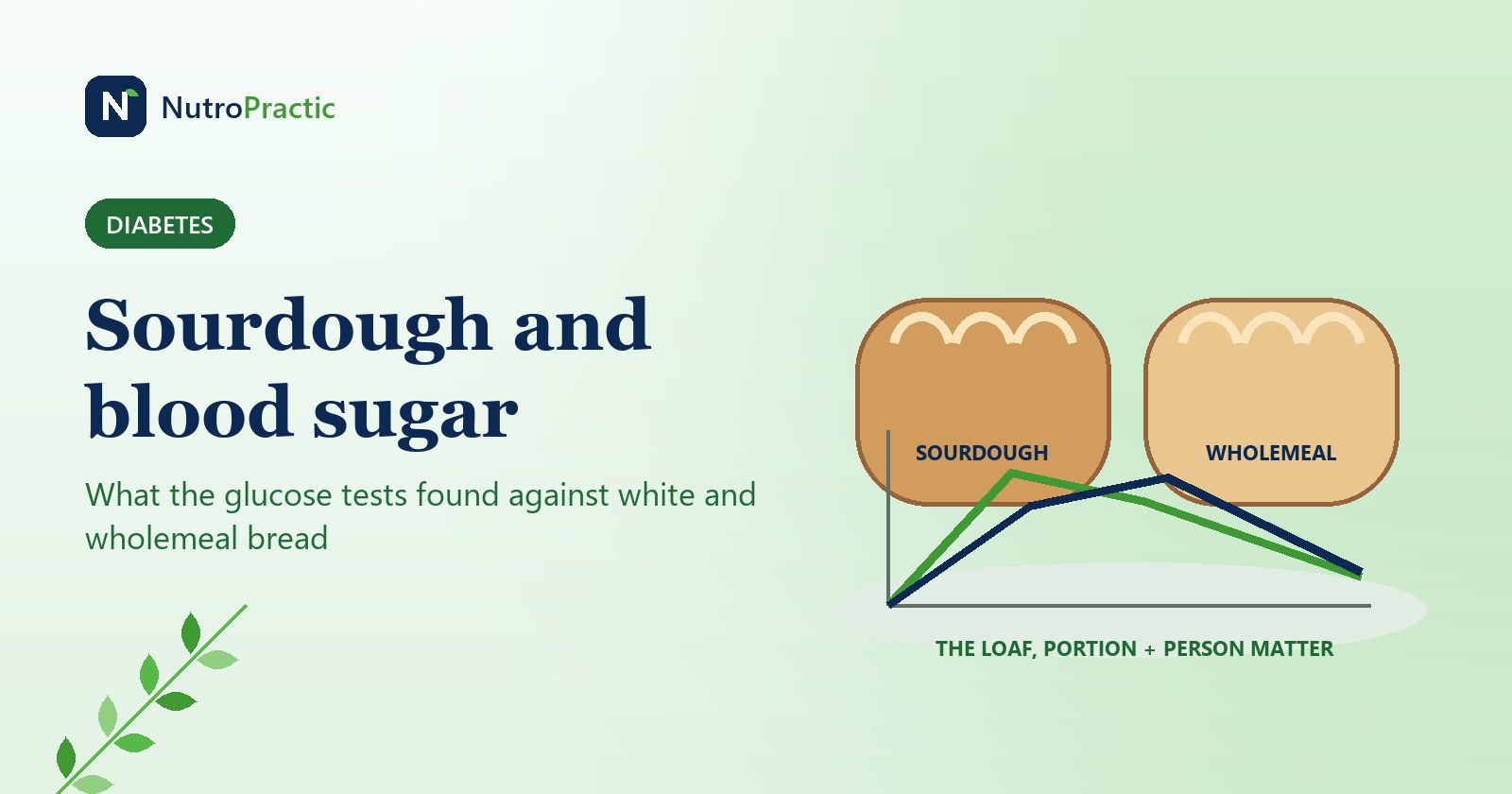
Sourdough and blood sugar: what the glucose tests found against white and wholemeal bread
Sourdough did not beat white bread on average in a 20-person crossover trial, and half responded better to white. A trial-by-trial look at fermentation, flour, portions, GI and how to test your own loaf fairly.
6 Nov 2026
Newsfeed for your website
Want this feed on your website?
Add it to any site with one copy-and-paste snippet. No sign-up, and it updates itself every hour.
Start with a virtual consultation
Tell Dr. Triveni what you want to change. You will leave with a clear next step, whether you are in Toronto, London, New York or Chennai.