Healthy living · November 13, 2026
The least favourable lifestyle scores tracked with two to three times the heart, stroke and mortality risk in 9,920 Singapore adults
Across 14 years, the combined score predicted cardiovascular outcomes—but not cancer—and could not separate diet from the other four behaviours.
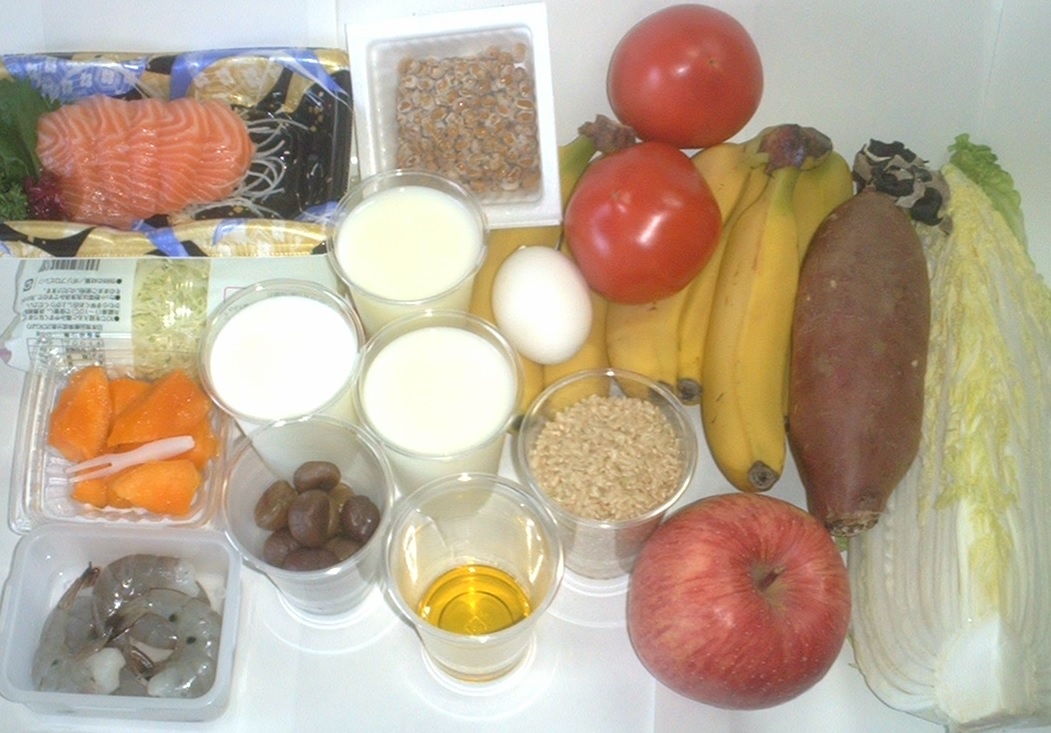
A prospective study followed 9,920 adults from Singapore's Multi-Ethnic Cohort who were free of major chronic disease at baseline. Its 10-point lifestyle score combined body-mass index, smoking, physical activity, diet quality and screen time.
During a median 14 years, researchers recorded 457 acute heart attacks, 322 strokes, 707 cancers and 631 deaths. Outcomes generally worsened step by step as the lifestyle score became less favourable.
Compared with people scoring 8–10, those scoring 0–3 had 2.13 times the heart-attack hazard, 3.21 times the stroke hazard and 2.01 times the all-cause mortality hazard. The study found no significant association with cancer incidence.
This is a combined observational score, not a diet trial. Low scores may travel with social, medical and environmental differences that adjustment cannot fully remove, and the analysis cannot say which component produced the association. The absence of a cancer link also warns against treating one lifestyle score as universal.
Singapore Multi-Ethnic Cohort (11 November 2026)
9,920
Adults followed
14 years
Median follow-up
2.13×
Heart-attack hazard, lowest vs highest score
3.21×
Stroke hazard, lowest vs highest score
No clear link
Cancer incidence
Prospective observational cohort. The score combined five behaviours and body-size measures, so it cannot isolate the effect of diet or prove that changing the score changes risk.
- Composite scores can capture behaviours that cluster together but can hide which component matters most.
- A hazard ratio compares event rates over time; it does not give the absolute chance that one person will have an event.
- The cohort included multiple Asian ethnic groups rather than treating Asian populations as one homogeneous sample.
- Adding mental well-being in a subset produced broadly similar results.
- Healthy Lifestyle Score and the Risk of Cardiovascular Disease, Cancer, and Mortality in an Asian Population: Prospective Cohort StudyJournal of Nutrition / PubMed · Primary cohort abstract with score components, follow-up, event counts and adjusted hazard ratios. Published 11 November 2026.
- DASH mealWikimedia Commons · Yamada25, CC BY-SA 4.0. General healthy-eating illustration only.
General information, not an individual cardiovascular-risk estimate. Personal prevention decisions should account for medical history, medicines, access and preferences with a qualified clinician.
Analysis by NutroPractic from the sources listed. Written for general readers; it does not replace advice from your own doctor.
From our articles
Our guides on this subject
Plain-language guides on nutrition and wellness, backed by research.

Cardiovascular wellness
Psyllium husk: how much soluble fibre lowers LDL cholesterol and stabilizes post-meal glucose in clinical trials
Viscous soluble fibre forms a thick gel matrix in the small intestine that binds bile acids and blunts post-meal glucose spikes. Across dozens of randomized controlled trials, 7 to 10.2 grams of psyllium daily lowers LDL cholesterol by 6% to 12% without stripping HDL, while reducing postprandial glucose surges by 15% to 25% in metabolic syndrome and type 2 diabetes. Discover the bile acid sequestration mechanism, trial meta-analyses, exact timing before meals, water ratios, and titration protocols to avoid gas and cramping.
13 Nov 2026

Women's health
Inositol for PCOS: the 40:1 ratio, trial doses, and food milligrams
Why do randomized trials in polycystic ovary syndrome prioritize the 40:1 myo to D-chiro inositol ratio? Here is the science behind the ovarian epimerase paradox, clinical ovulation and insulin metrics, and why cantaloupe cannot replace 4,000 mg trial powder.
21 Nov 2026

Everyday eating
Extra virgin olive oil polyphenols: the EU health claim, smoke point myths, and cooking stability
Does extra virgin olive oil degrade when cooked? What does the EU 5 mg polyphenol health claim require, how does oleocanthal act like ibuprofen, and why does oxidative stability matter more than smoke point in domestic frying? Here is the clinical and culinary data.
21 Nov 2026
Newsfeed for your website
Want this feed on your website?
Add it to any site with one copy-and-paste snippet. No sign-up, and it updates itself every hour.
Start with a virtual consultation
Tell Dr. Triveni what you want to change. You will leave with a clear next step, whether you are in Toronto, London, New York or Chennai.