Newsfeed
Nutrition research, analysed
A new analysis every hour. Each one covers a recent study or report: What was found, the numbers behind it and the sources to check. We write about research from the last two weeks, not the news of the day.

Infant health · November 4, 2026
Four weeks of probiotic drops from birth, and 638 days of diarrhoea against 1,057 in 1,945 Tanzanian babies. Whether fewer babies fell ill is less clear
Most first bouts came months after the last drop. Babies on the probiotic ran up about 40% fewer diarrhoea days and fewer long illnesses, but neither the number who got sick nor how long a typical bout lasted cleared the statistical bar, and the same trial had already found no effect on hospital stays or deaths.
Read the analysis
Cancer risk · November 3, 2026
Total sugar showed no link to breast cancer in 71,264 Korean women. Sweet foods as a group did, yet cakes, sweets and fizzy drinks on their own didn't
Fruit supplied 43% of the sugar these women ate and didn't track with breast cancer at all. Women eating sweet foods more than twice a week had a 28% higher risk than those having them once a month or less, but when the researchers looked inside that group, the signal sat with ice cream and sugary cereal, and the usual suspects came up empty.
Read the analysis
Vegetarian diets · November 3, 2026
Around America's original blue zone, 42% of over-35s said they were vegetarian and 27% of under-36s did. One survey can't say if a generation is leaving
Researchers from Loma Linda University collected questionnaires from 615 adults at health fairs in and around the town famous for long-lived Seventh-day Adventists. The younger crowd was less vegetarian, yet they were also the leanest. Whether that is a tradition fading or just people who haven't changed their diets yet is the part nobody can tell from one snapshot.
Read the analysis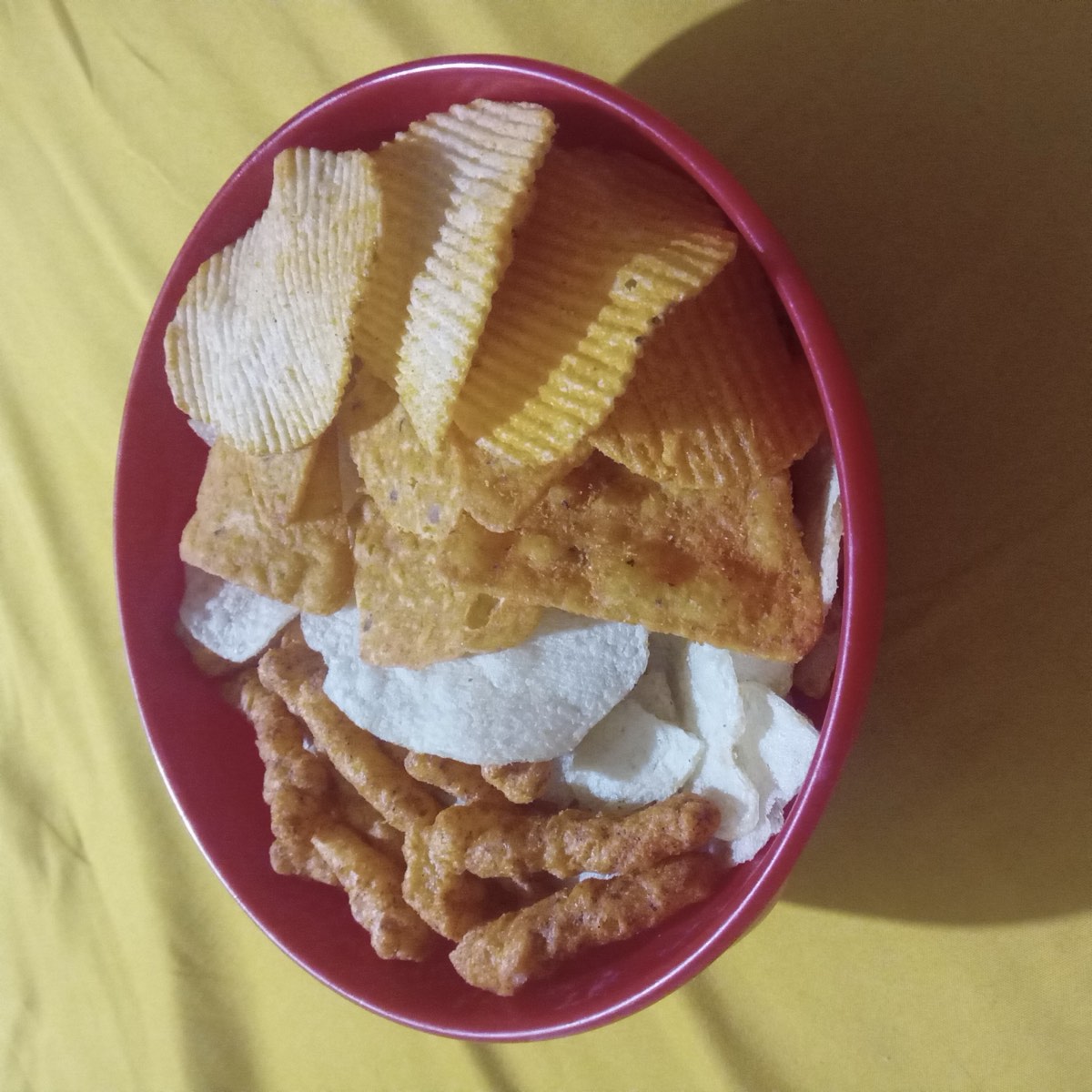
Food labels · November 3, 2026
Chile already puts black stop signs on junk food. Adding one that says 'ultraprocessed' still moved 3,519 parents, most of all on crisps with no warnings at all
In an online trial, parents looked at three bags of sour cream and onion crisps, all of them ultraprocessed. Half saw only Chile's usual nutrient warnings; half also saw a white octagon reading 'ultraprocessed'. The extra label lowered how healthy the crisps seemed and how keen people were to buy them, and it worked best on the bag that otherwise looked clean.
Read the analysis
Healthy ageing · November 3, 2026
A week on a wrist tracker told researchers who was frailer: 1,203 older villagers with jumbled days and poorer diets had more of the signs
In rural Shandong, people aged 65 and over wore an activity tracker day and night for a week and described what they ate over the past year. Those whose days had little clear shape, with activity and rest broken up and no strong contrast between day and night, were frailer. So were those with poorer diets, and the two seemed to add up rather than cancel out.
Read the analysis
Vitamins and minerals · November 3, 2026
Half of 793 office workers were low in vitamin D and four in ten women low in iron. Most had no idea, and the supplements were mostly going to the wrong people
A workplace blood-testing programme in Poland checked vitamin D, iron stores and vitamin B12 alongside what people said they took. People who took vitamin D did have better levels. But about seven in ten of those who came up short had neither a diagnosis nor a supplement, and nothing simple like age or weight could pick them out.
Read the analysis
Nutrigenetics · November 3, 2026
Daily coffee drinkers looked fine on fasting glucose and HbA1c. A two-hour sugar test in 905 Polish adults told a different story, and their genes made no difference
Researchers in Białystok asked 905 adults about coffee and snacking, tested two diabetes-linked genes, and gave them a glucose drink. Daily coffee drinkers had higher blood sugar after the drink, frequent snackers carried more body fat, and none of it depended on genotype. Before anyone gives up coffee, though, there is a lot this study could not see.
Read the analysis
Menopause · November 3, 2026
Saltier eating habits came with about 1.5 times the odds of bothersome hot flushes in 3,664 midlife women. Three questions did the sorting
A Korean study followed 3,664 women in their forties for a median of five and a half years. Those who salted their food more had more troublesome hot flushes and night sweats, even after weight and blood pressure were taken into account. The salt was never measured, though, and that matters.
Read the analysis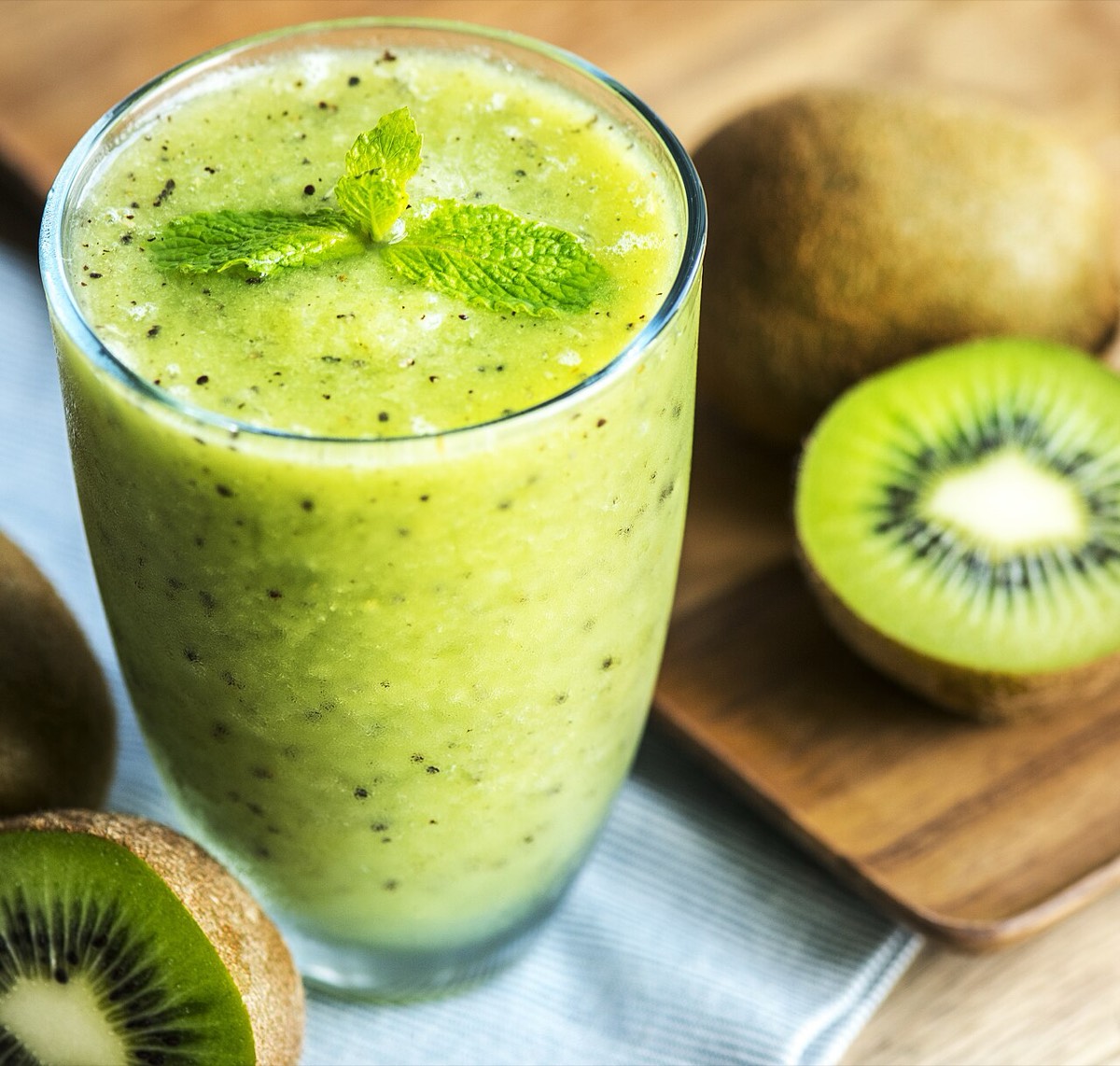
Inflammation · November 3, 2026
A free fruit smoothie every day for 16 weeks left inflammation where it was. Most people said they drank about four a week
A Norwegian trial handed people in opioid treatment seven bottles of smoothie a week alongside their medication. CRP, white cells and three other markers ended up no different from the group that got nothing extra. The more telling numbers are about who drank what, and who might have shared.
Read the analysis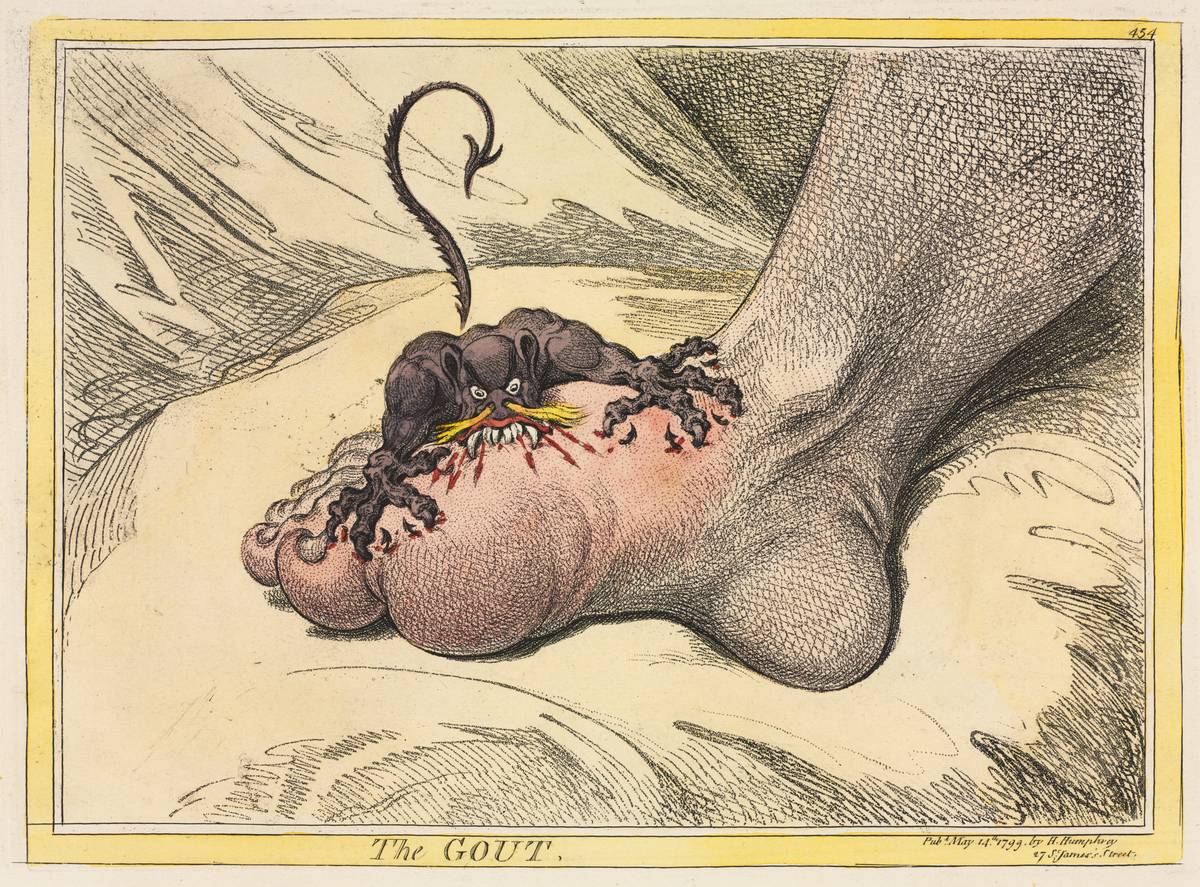
Gout · November 3, 2026
People with diabetes and gout scored almost the same on diet as those without. The gap appeared only after adjusting
A new analysis of 5,067 Americans with diabetes found raw diet scores that barely differed by gout: 51.4 against 51.9 on one 100-point index. Once age, sex and other differences were accounted for, better scores on three of five diet measures went with lower odds of gout. Two measures showed nothing at all.
Read the analysis
Sports nutrition · November 3, 2026
Vitamin D for fighters: four small trials found wins on some lab tests, no trial looked at a single bout
A new review gathered every placebo-controlled trial of vitamin D in judo, taekwondo, boxing and mixed martial arts athletes. There were four, with 99 people analysed. Handgrip and sprint power moved in some; mean power, jumps and agility didn't. The evidence was rated very low for every outcome.
Read the analysis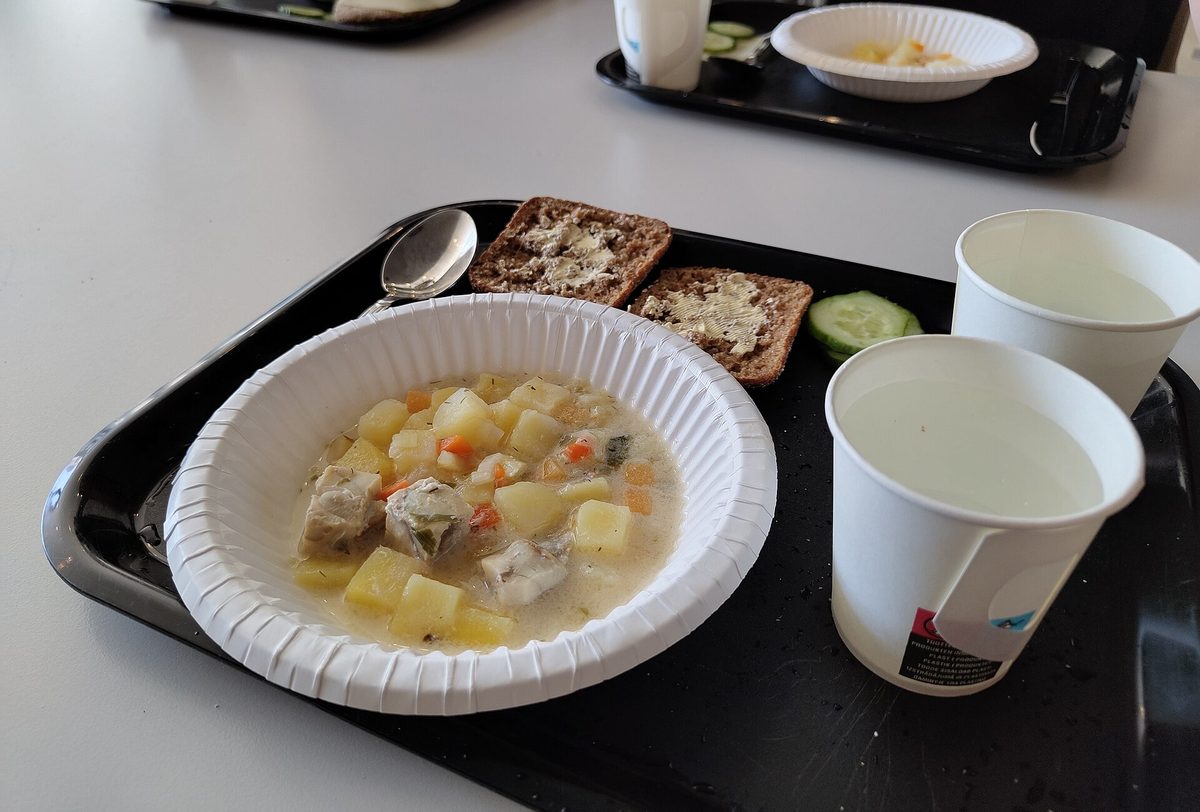
Coeliac disease · November 3, 2026
Same number of snacks, different snacks: young Finns with coeliac disease had ice cream three times as often and sugary soft drinks half as often
A survey of 353 people aged 16 to 30 found the gluten-free group wasn't snacking more. What changed was what they snacked on, and where lunch happened: 18% ate in a school or workplace canteen every day, against 38% of the others.
Read the analysisFrom our articles
Read, then eat a little better
Plain-language guides on nutrition and wellness, backed by research.

Women's health
Inositol for PCOS: the 40:1 ratio, trial doses, and food milligrams
Why do randomized trials in polycystic ovary syndrome prioritize the 40:1 myo to D-chiro inositol ratio? Here is the science behind the ovarian epimerase paradox, clinical ovulation and insulin metrics, and why cantaloupe cannot replace 4,000 mg trial powder.
21 Nov 2026

Everyday eating
Extra virgin olive oil polyphenols: the EU health claim, smoke point myths, and cooking stability
Does extra virgin olive oil degrade when cooked? What does the EU 5 mg polyphenol health claim require, how does oleocanthal act like ibuprofen, and why does oxidative stability matter more than smoke point in domestic frying? Here is the clinical and culinary data.
21 Nov 2026

Food and nutrition
L-theanine and caffeine: what cognitive trials measured on sustained attention, and milligrams in matcha vs green tea
Combining L-theanine with caffeine produces clean focus without caffeine jitters. Here is what randomized trials measured on attention-switching, EEG alpha brain waves, and the exact milligrams across ceremonial matcha, culinary powder, gyokuro, and sencha.
20 Nov 2026
Start with a virtual consultation
Tell Dr. Triveni what you want to change. You will leave with a clear next step, whether you are in Toronto, London, New York or Chennai.