Newsfeed
Nutrition research, analysed
A new analysis every hour. Each one covers a recent study or report: What was found, the numbers behind it and the sources to check. We write about research from the last two weeks, not the news of the day.

Weight and meal timing · October 7, 2026
Time-restricted eating cut fat in seven weeks, and also some muscle
A four-arm trial in 131 women tested a 10-hour eating window, interval training, both, or neither. The headline result comes with a trade-off worth knowing.
Read the analysis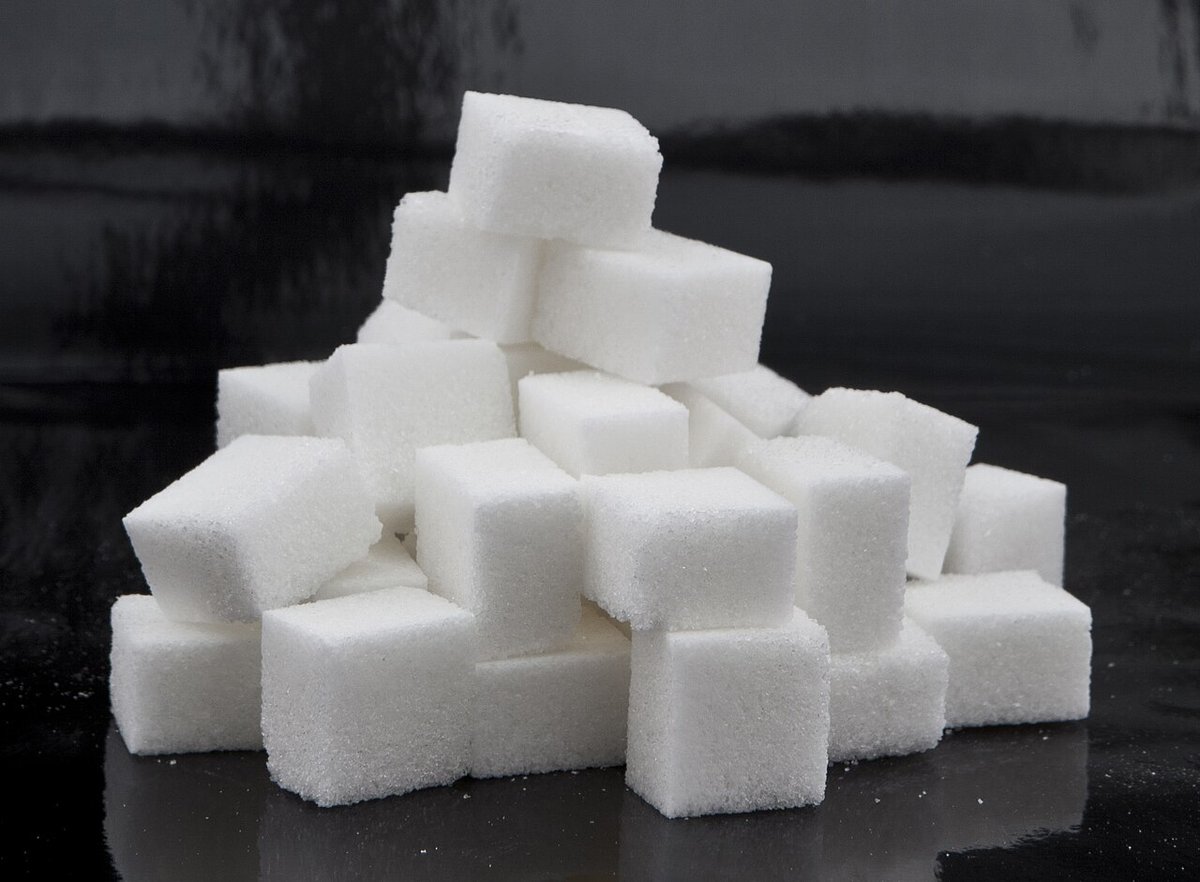
Sugar · October 7, 2026
Cutting sugar: does it matter whether the swap still tastes sweet?
A pilot trial gave 72 adults three kinds of advice for replacing sugary foods. All three groups cut their sugar, which says something useful about simple advice.
Read the analysis
Gut health · October 7, 2026
Six months of Mediterranean eating did not change the gut microbiome in this UK trial
Researchers expected a better diet to show up in stool samples. It did not, and the reasons say a lot about how personal the microbiome is.
Read the analysis
Child nutrition · October 7, 2026
A monthly nutrient supplement doubled the odds of measles vaccination in northern Nigeria
A cluster-randomised trial handed out small nutrient supplements for young children at routine vaccine visits. Here is how food became a reason to come back to the clinic.
Read the analysis
Food labels · October 7, 2026
'Reduced sodium', 'no trans fat': when the health claim on the pack points the wrong way
Cornell researchers scored nearly 150,000 new US foods and drinks. Products with claims were not consistently healthier, and some claims went with poorer overall nutrition.
Read the analysis
Food and the planet · October 7, 2026
Following the new US dietary guidelines would raise a diet's carbon footprint by a third
A Nature Food analysis puts a climate cost on the 2025–2030 advice and names one main driver: more protein. Here is what the number means, and what it does not say about health.
Read the analysis
Ultra-processed food · October 7, 2026
Two weeks of a 95% ultra-processed diet did not break the body's fullness signals
Researchers in the Netherlands fed 32 young adults an almost entirely ultra-processed diet and measured their gut hormones. The result pushes against one popular explanation for why these foods lead to overeating.
Read the analysis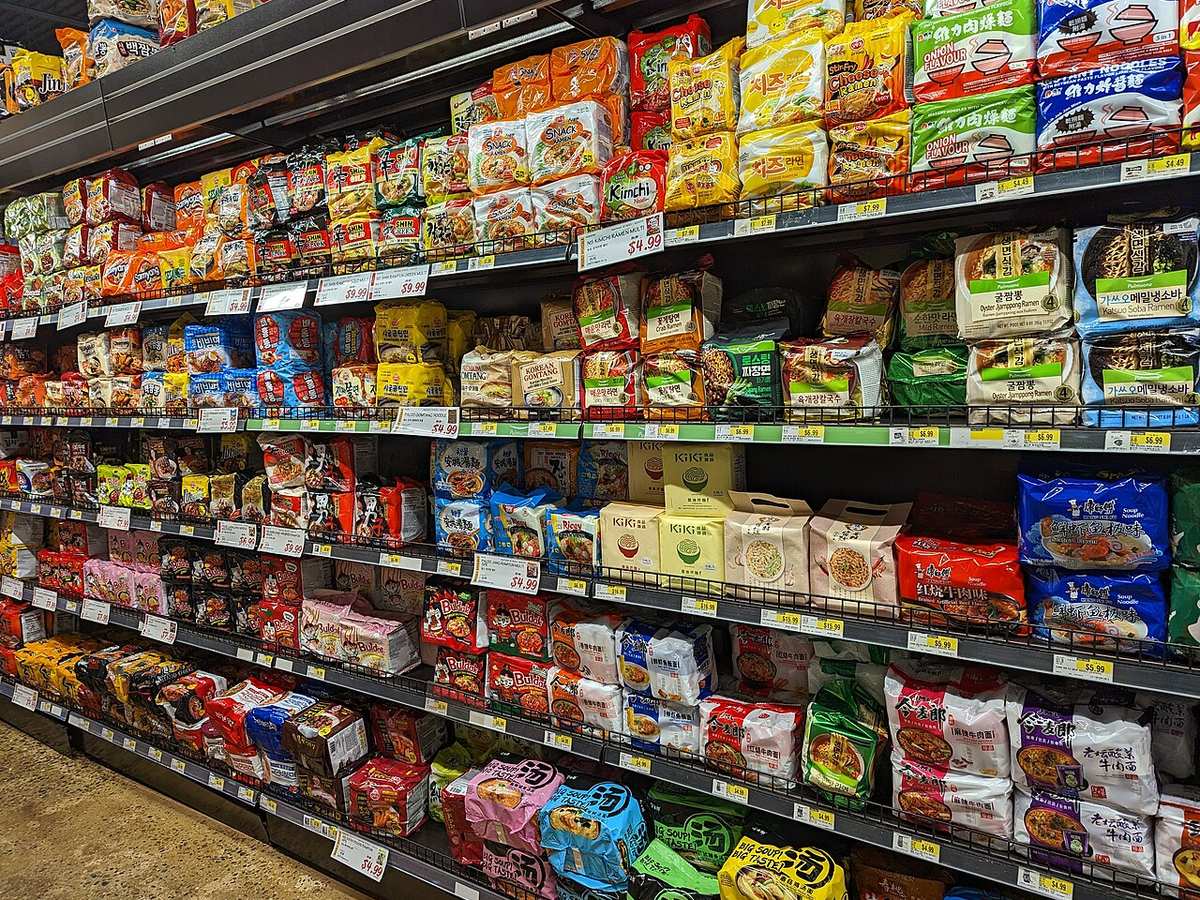
Mental health · October 7, 2026
Twenty people with depression cut ultra-processed food by 85%. Their depression scores improved
A small pilot asked adults with major depression to swap most packaged food for whole food for four weeks. The early signal is interesting, and the size of the study is the reason not to overread it.
Read the analysis
Weight and sweeteners · October 5, 2026
Diet drinks matched water for two years of weight loss. The trial was funded by the beverage industry
A randomised trial of 493 adults with overweight or obesity found similar weight change over 104 weeks. Here is what that result settles, and what it leaves open.
Read the analysis
Brain health · October 5, 2026
A diet linked with 2.5 years of slower brain ageing: what the MRI scans actually show
In 1,647 adults followed for about 12 years, closer adherence to the MIND diet went with slower shrinkage of brain grey matter. Berries and poultry stood out, and so did sweets.
Read the analysis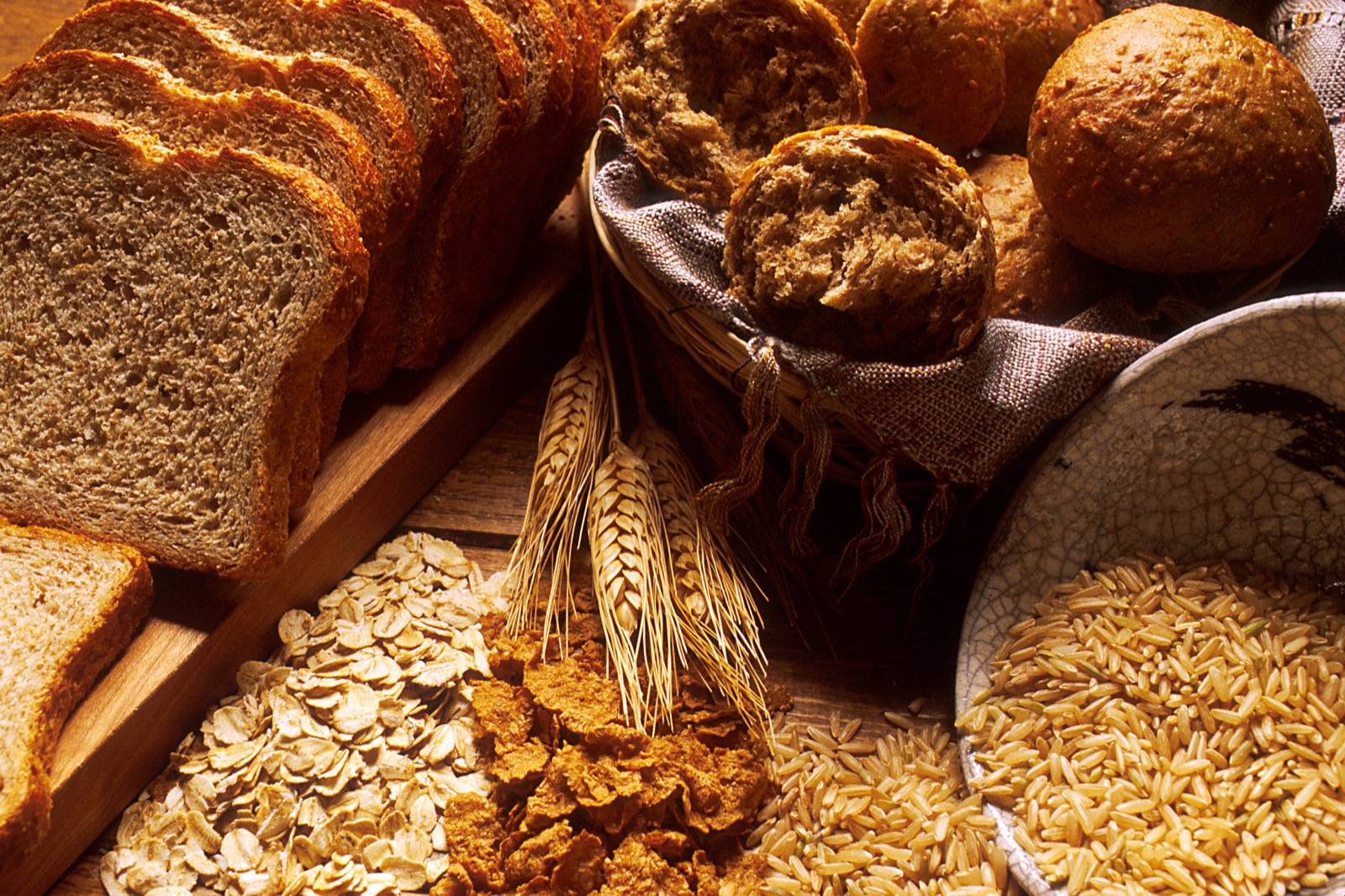
Whole grains · October 5, 2026
How much whole grain actually helps? The answer is more specific than 'more is better'
A pooled analysis of 87 randomised trials found benefits start at about two servings a day and peak around four to six. The changes are real but modest, and they were measured over weeks, not years.
Read the analysis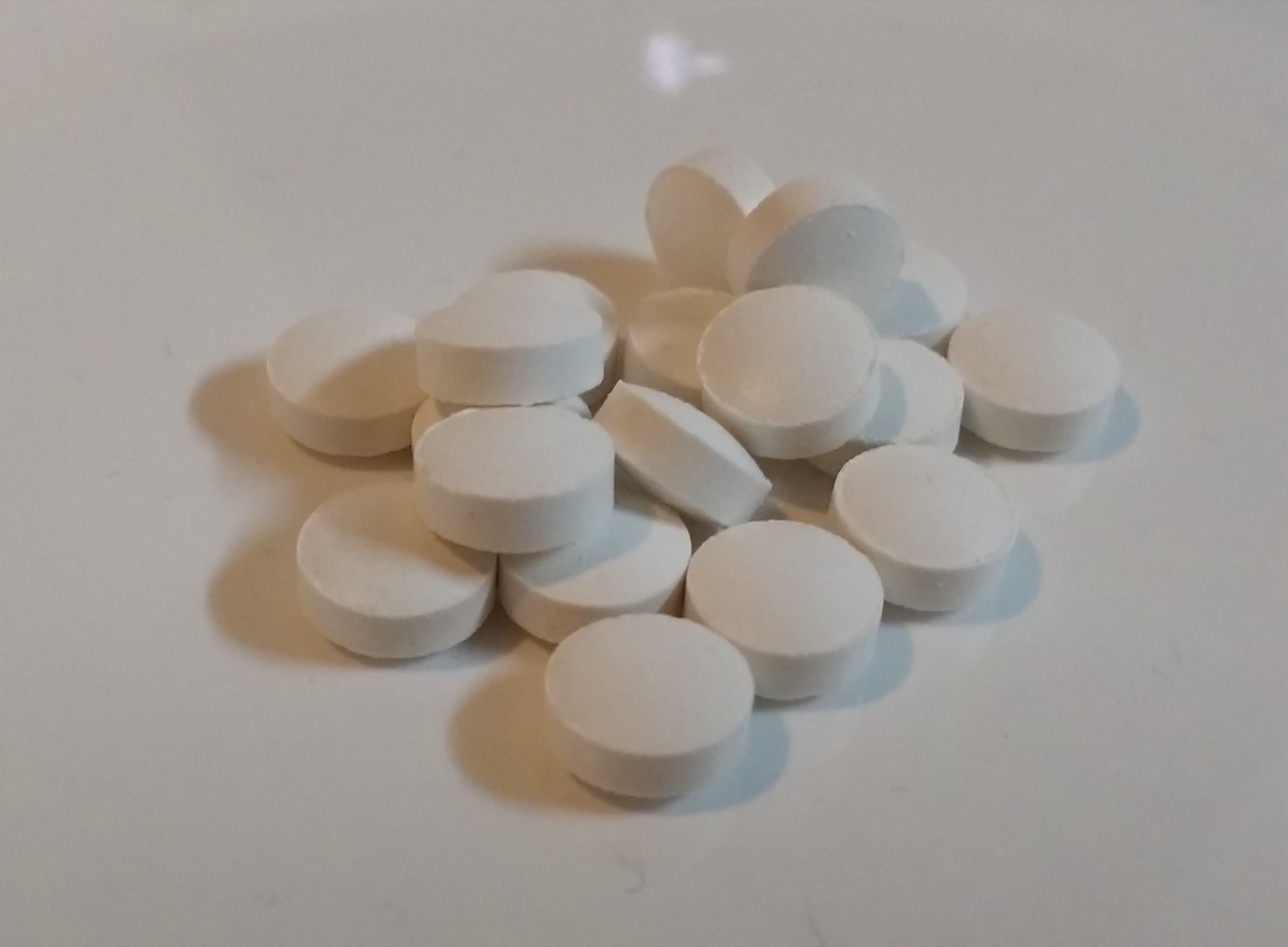
Children and nutrition · October 5, 2026
One child in six on a GLP-1 drug developed a nutrient deficiency within a year
Vitamin D was the most common gap, yet only 5% of the children had nutrition counselling in their first month of treatment. Who should be checking what children eat on these medicines?
Read the analysisFrom our articles
Read, then eat a little better
Plain-language guides on nutrition and wellness, backed by research.
Supplements and vitamins
Spermidine from food or capsules: measured milligrams in wheat germ, soybeans and cheese, and what the one year-long trial found
Wheat germ holds about 22 to 34 mg of spermidine per 100 g, matured cheese about 0.12 mg. The only year-long capsule trial used 0.9 mg a day and found no memory benefit. Measured values, worked doses and safety.
22 Nov 2026

Supplements and vitamins
Zinc carnosine for the gut lining: what the two human trials gave, the zinc in each dose, and the copper catch
Zinc carnosine is only about 22.6% zinc, so 75 mg twice a day is roughly 34 mg of zinc a day. Here are the doses and results of the 10-person NSAID permeability trial and the 20-person aspirin pilot, and the copper cautions.
22 Nov 2026

Women's health
Inositol for PCOS: the 40:1 ratio, trial doses, and food milligrams
Why do randomized trials in polycystic ovary syndrome prioritize the 40:1 myo to D-chiro inositol ratio? Here is the science behind the ovarian epimerase paradox, clinical ovulation and insulin metrics, and why cantaloupe cannot replace 4,000 mg trial powder.
21 Nov 2026
Start with a virtual consultation
Tell Dr. Triveni what you want to change. You will leave with a clear next step, whether you are in Toronto, London, New York or Chennai.