Whole grains · October 5, 2026
How much whole grain actually helps? The answer is more specific than 'more is better'
A pooled analysis of 87 randomised trials found benefits start at about two servings a day and peak around four to six. The changes are real but modest, and they were measured over weeks, not years.
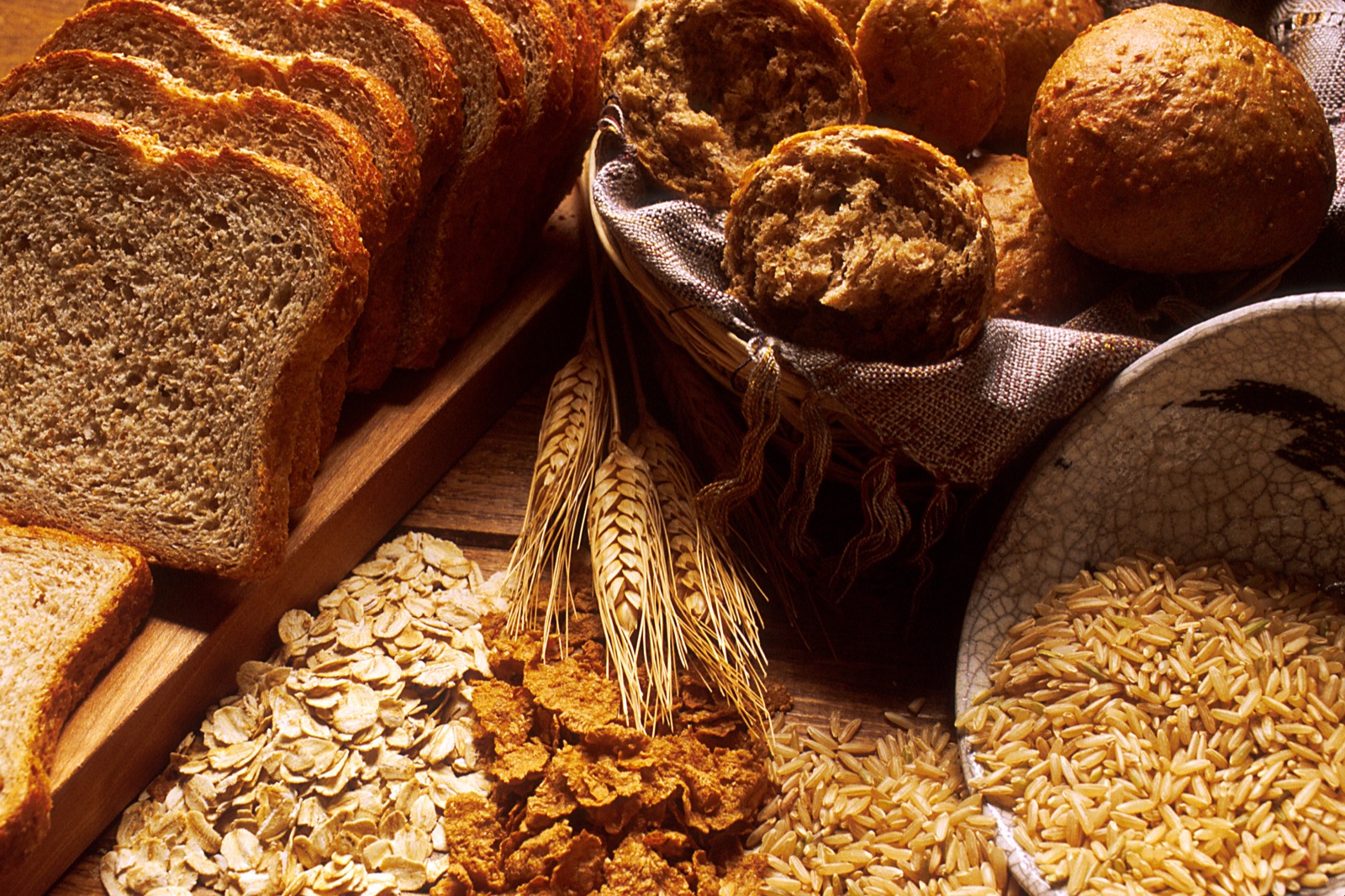
In the European Heart Journal, published on 15 September 2026, researchers led by Sina Naghshi and Dagfinn Aune pooled 87 randomised controlled trials of whole grains. The trials covered 6,529 participants, with a median follow-up of eight weeks.
Benefits began at around two servings of whole grain a day, and most outcomes peaked at four to six servings. The largest effects were generally seen at about 60 to 100 grams a day, measured as dry weight.
The effects are modest. For each 48 grams a day more whole grain, the analysis found high-certainty reductions in body weight (about 0.2 kg) and waist size (about 0.2 cm), and lower total cholesterol and inflammation (IL-6). Blood pressure and LDL cholesterol also fell, with moderate certainty. Because the trials ran for about two months, the study says more about short-term change than about a lifetime of eating whole grains.
Change per 48 g a day more whole grain
4 to 6
Servings a day, where most effects peaked
~2
Servings a day, where benefits began to appear
−0.10
Total cholesterol, mmol/L (high certainty)
−0.20 kg
Body weight (high certainty)
−0.82 mmHg
Systolic blood pressure (moderate certainty)
Mean differences as reported by the analysis, across the trials that measured each outcome. Small numbers that add up over time; they are not a weight-loss plan on their own.
- Whole grains keep the bran, germ and endosperm of the grain. Oats, brown rice, quinoa, barley and bulgur are whole grains.
- Refined grains, such as white flour and white rice, have had the bran and germ removed, so they lose much of their fibre and other nutrients.
- Check the first ingredient on bread and cereal packs. 'Whole' or 'wholemeal' should come first. 'Multigrain' and 'wheat' on their own do not mean the grain is whole.
- Whole-grain intake tied to improved cardiometabolic risk factors in meta-analysisAmerican College of Cardiology, journal scan, 21 September 2026 · Summary of the European Heart Journal analysis
- Scientists tested how much whole grain makes a difference. The answer was not simply 'more'News-Medical, 16 September 2026 · News coverage of the same analysis
General information, not medical advice. If you manage diabetes, heart disease or kidney disease, follow your doctor's or dietitian's advice on carbohydrates.
Analysis by NutroPractic from the sources listed. Written for general readers; it does not replace advice from your own doctor.
Newsfeed for your website
Want this feed on your website?
Add it to any site with one copy-and-paste snippet. No sign-up, and it updates itself every hour.
Start with a virtual consultation
Tell Dr. Triveni what you want to change. You will leave with a clear next step, whether you are in Toronto, London, New York or Chennai.