Ultra-processed food · October 7, 2026
Two weeks of a 95% ultra-processed diet did not break the body's fullness signals
Researchers in the Netherlands fed 32 young adults an almost entirely ultra-processed diet and measured their gut hormones. The result pushes against one popular explanation for why these foods lead to overeating.
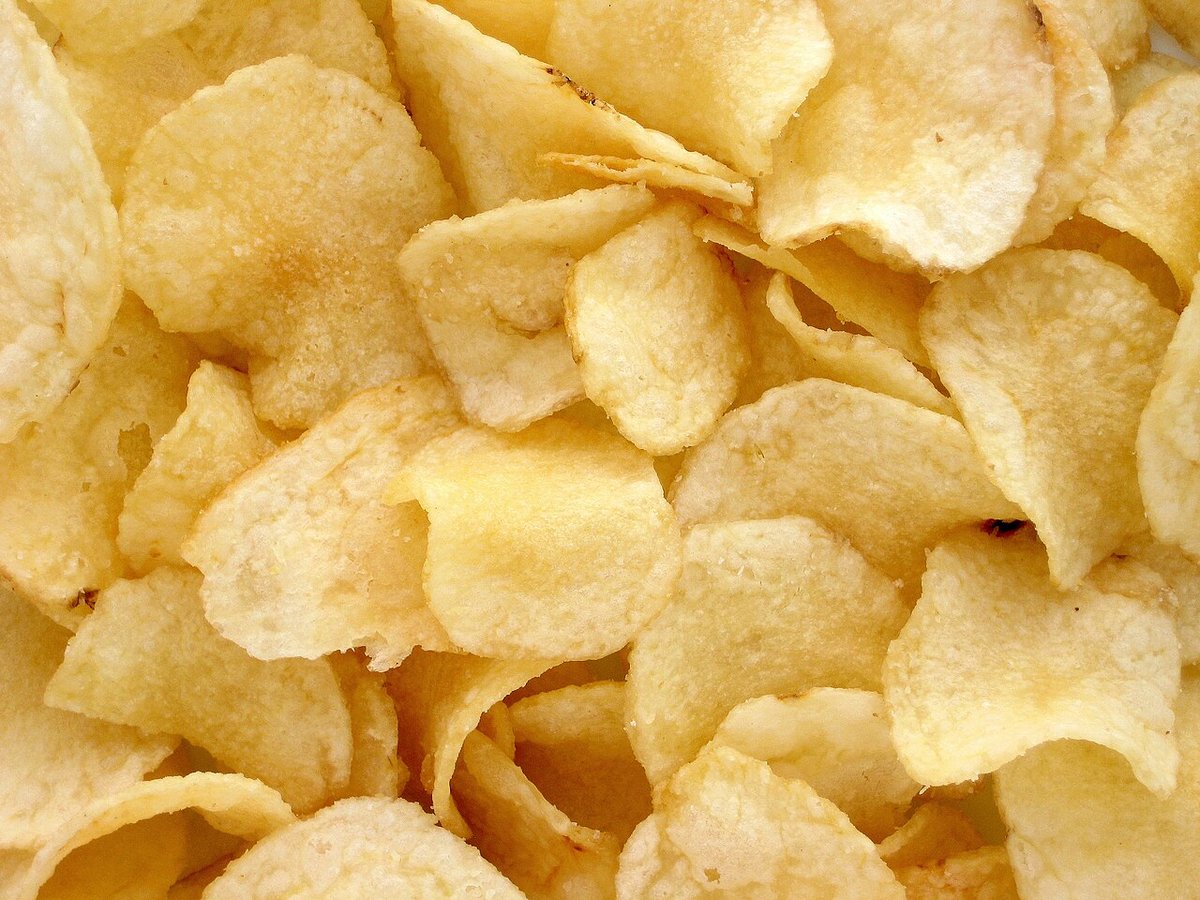
A randomised crossover trial analysed in the European Journal of Nutrition on 24 September 2026 tested a popular idea: that ultra-processed foods make people overeat because they blunt the body's fullness signals. 32 healthy young adults (average age 27, average BMI 23.6) who usually ate little ultra-processed food completed two 14-day diets in which about 95% of energy came from ultra-processed foods, with a 14-day break in between. The two diets differed in texture, which changes how fast food is eaten.
Before and after each diet, participants ate a fixed-calorie meal, and the researchers tracked appetite ratings and four gut hormones for three hours: GLP-1, ghrelin, pancreatic polypeptide and peptide YY. The hormone responses did not differ after two weeks of ultra-processed eating. Hunger and fullness ratings, added up over the test, shifted slightly but significantly towards more hunger and less fullness, yet no single time point differed, and morning appetite stayed steady through each diet.
The authors conclude that their results do not support the idea that the fullness response is disrupted after two weeks on such a diet. That does not make ultra-processed food harmless. The trial was short, in lean young adults, and it tested one mechanism. Other explanations, such as eating speed, energy density and taste, remain open, and large observational studies continue to link these foods with poorer health.
The trial in numbers
32
Healthy young adults
~95%
Energy from ultra-processed foods
2 × 14 days
Diet periods, 14-day break between
4
Gut hormones measured for 3 hours
No change
Hormone response after the diets
Checked against the abstract on the journal page. A secondary analysis of a randomised crossover trial (NCT06113146). Funding listed: Dutch Top-Consortium for Knowledge and Innovation Agri & Food.
- GLP-1 is the gut hormone that the newer weight-loss medicines mimic. It is released after a meal and helps signal fullness.
- Texture matters: soft, easy-to-chew foods are usually eaten faster than hard or chewy ones, and earlier studies suggest faster eating can lead to eating more before fullness sets in.
- Ghrelin is often called the hunger hormone. It rises before meals and falls after eating.
- Satiety responsiveness following dietary exposure to ultra-processed foods differing in texture-derived eating rate: a secondary analysis of a randomized controlled crossover diet interventionEuropean Journal of Nutrition, 24 September 2026 · Journal page and abstract: all figures checked here
General information, not medical advice. If you have a condition or take medicines, talk to your doctor or dietitian before changing what you eat.
Analysis by NutroPractic from the sources listed. Written for general readers; it does not replace advice from your own doctor.
Newsfeed for your website
Want this feed on your website?
Add it to any site with one copy-and-paste snippet. No sign-up, and it updates itself every hour.
Start with a virtual consultation
Tell Dr. Triveni what you want to change. You will leave with a clear next step, whether you are in Toronto, London, New York or Chennai.