Newsfeed
Nutrition research, analysed
A new analysis every hour. Each one covers a recent study or report: What was found, the numbers behind it and the sources to check. We write about research from the last two weeks, not the news of the day.
Children and nutrition · October 7, 2026
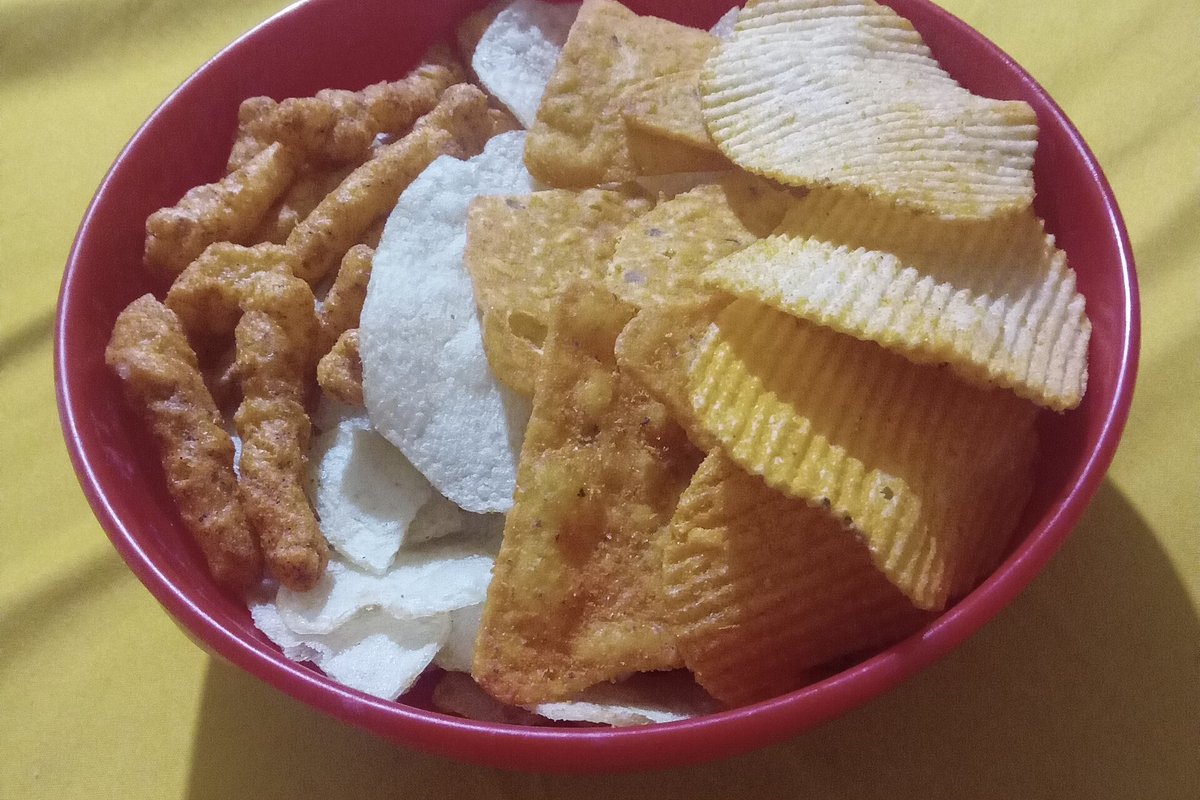
At age 3, half of what Dutch toddlers ate by weight was ultra-processed. The heaviest eaters gained more by age 11
Two Dutch cohorts followed children's ultra-processed food intake and their weight into adolescence. The link was clear in toddlers and confusing in teenagers, which is exactly what makes it interesting.
Read the analysis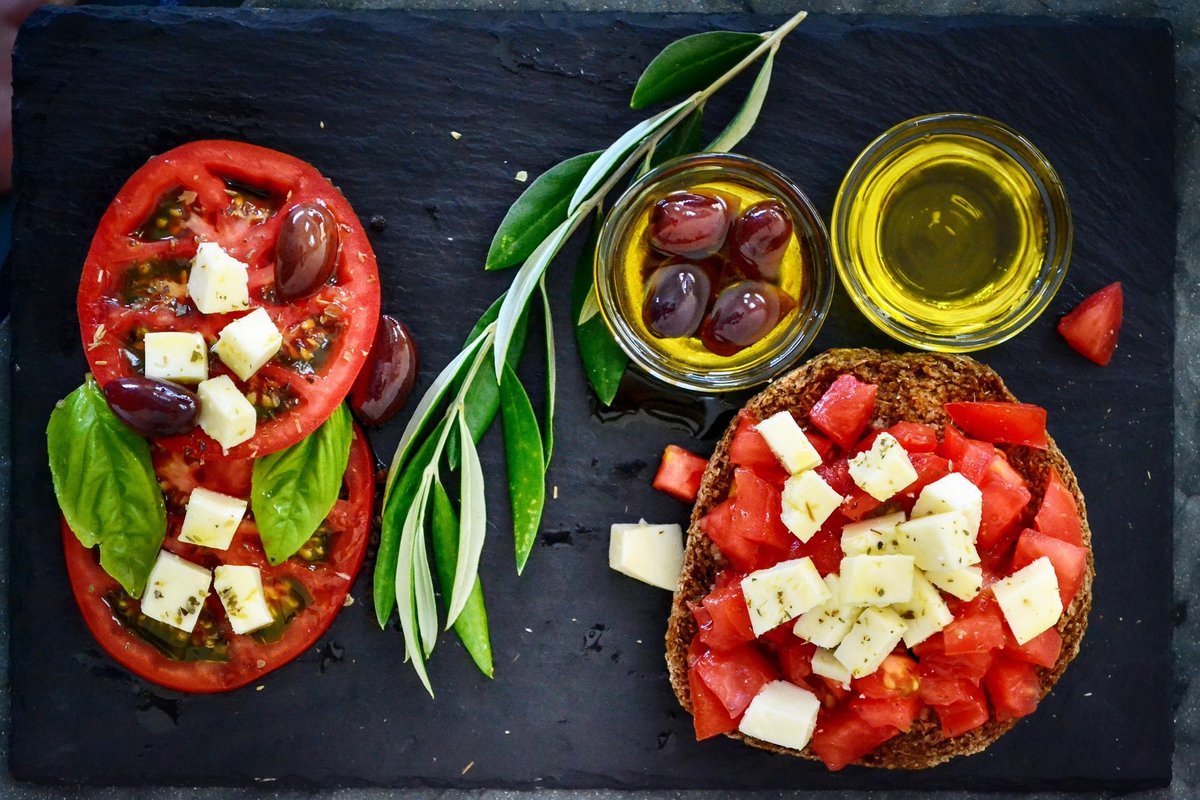
Healthy ageing · October 7, 2026
Can what you eat keep you on your feet? A review links the Mediterranean diet with fewer falls
Falls are a leading cause of injury in older age. A review of 11 studies covering more than 55,000 older adults found the strongest signal for one familiar way of eating, with a large caveat about the evidence.
Read the analysis
Skin health · October 7, 2026
People with psoriasis and eczema tend to have less zinc in their blood. Zinc pills are another matter
A new review pooled studies on zinc and three common inflammatory skin conditions. The link with lower zinc held up; the case for routine supplements did not.
Read the analysis
Pregnancy · October 7, 2026
Iron through a drip beat iron tablets in pregnancy across 29 trials, with fewer transfusions
An updated review of 29 randomised trials compared intravenous iron with tablets for anaemia in pregnancy. Mothers had higher haemoglobin at birth, babies had more stored iron, and fewer women needed blood.
Read the analysis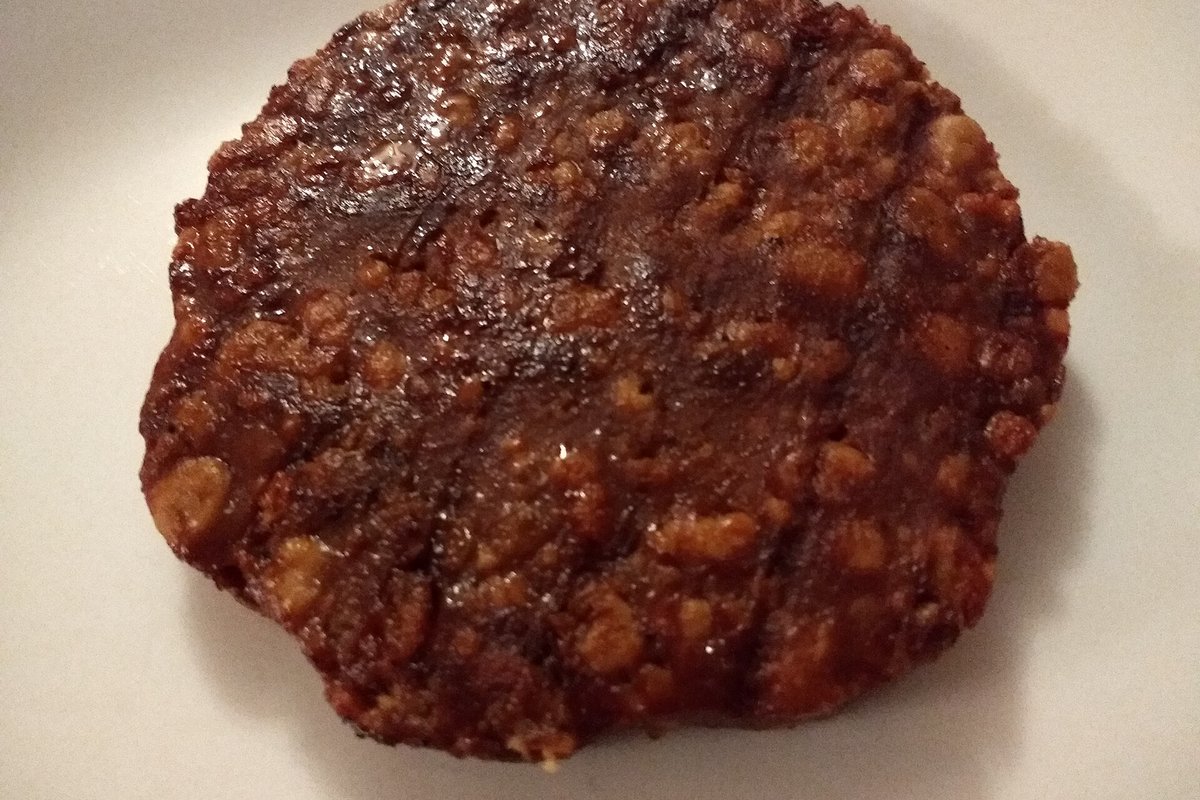
Plant-based foods · October 7, 2026
Plant-based burgers mostly score well. Plant-based cheese scored D or E every time
EU scientists checked the nutrition of plant-based copies of meat, milk and cheese, a market that has grown several times over since 2009. The answer depends very much on which shelf you are standing at.
Read the analysis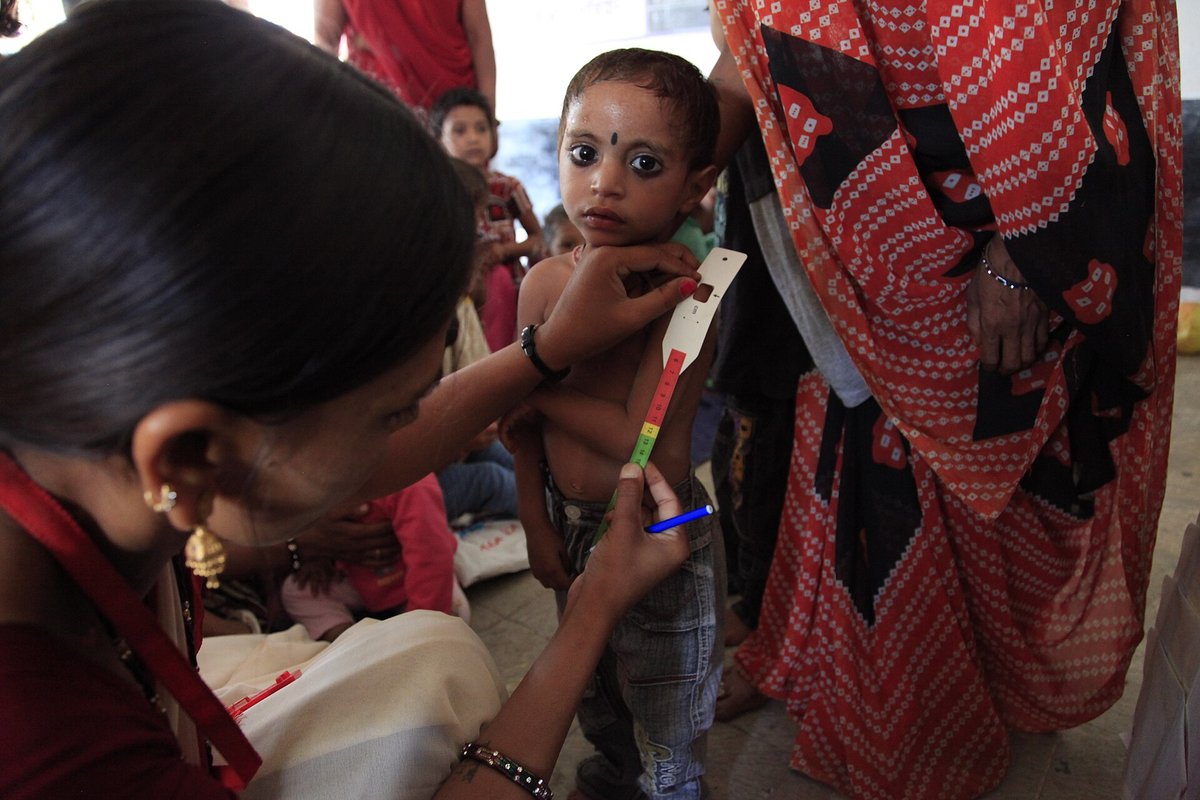
Child nutrition · October 7, 2026
Overweight in India's under-fives doubled in 15 years, then fell. Nine states still worry researchers
Four rounds of India's national family health survey show a slow rise in overweight among young children, and a drop in the latest round. The national picture is reassuring; the state map is not.
Read the analysis
Tests and results · October 7, 2026
Skipping breakfast before a blood test? Ten million results say it matters for only a few tests
A hospital in South Korea compared almost ten million routine test results by how long patients had gone without food. For most tests the fast made no real difference. For four, it did.
Read the analysis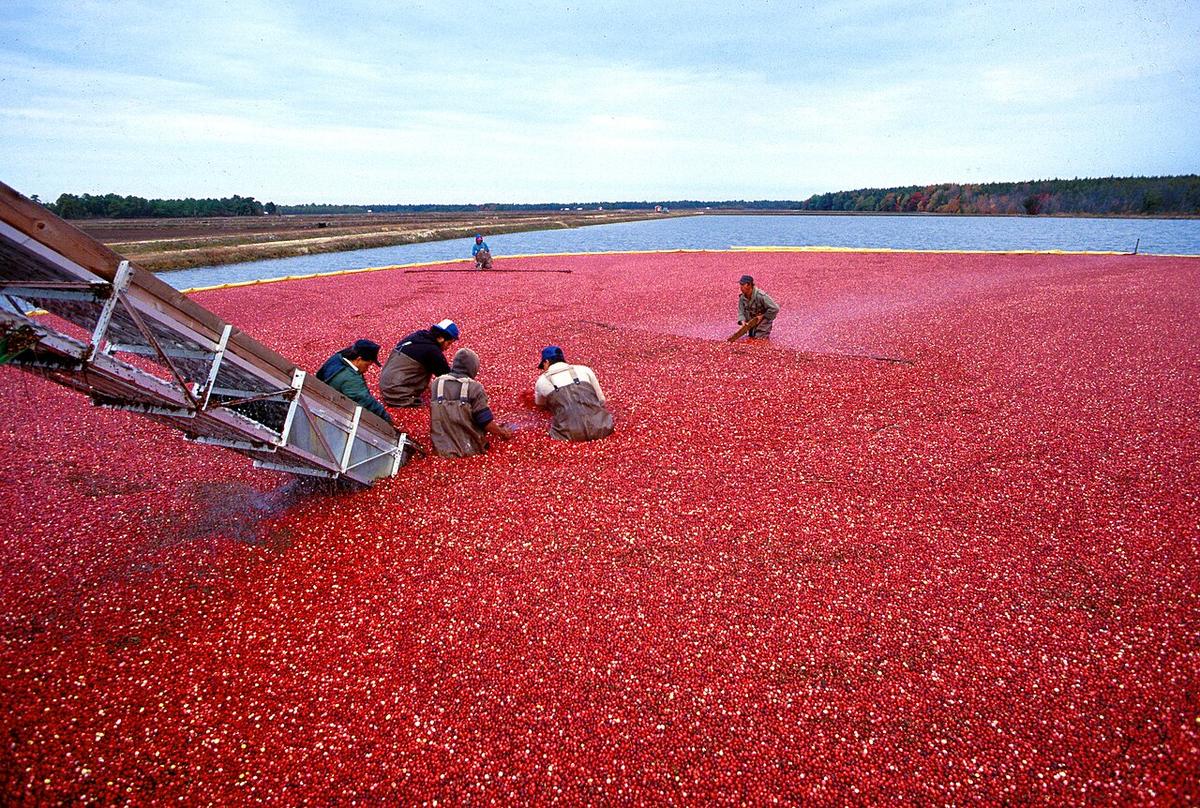
Women's health · October 7, 2026
Cranberry juice and urinary infections: the answer may depend on whose urine it is
In 152 healthy women, the urine's natural ability to stop E. coli from sticking varied widely, and only some women responded to four days of cranberry juice. Could that explain the mixed trial results?
Read the analysis
Mental health · October 7, 2026
Does milk lift young people's mood? A pooled analysis of 123,519 children says not clearly
Ten studies, six of them pooled, found no significant overall link between dairy and depressive symptoms in 6 to 19 year olds. An Asian subgroup told a different story, and that is where caution matters.
Read the analysis
Heart health · October 7, 2026
Eat earlier, eat more often? A Swedish study links meal timing with heart risk markers
Food records from 3,812 adults in Malmö tie skipped breakfasts and a late first meal to poorer risk markers. The catch: most of it is a snapshot, not a trial.
Read the analysis
Children and nutrition · October 7, 2026
Vitamin C and type 1 diabetes in children: is the middle the safest place?
Following 8,478 children at genetic risk, researchers found no consistent link overall, but a hint that moderate intake went with the lowest risk of one early immune signal.
Read the analysis
Weight and meal timing · October 7, 2026
Time-restricted eating cut fat in seven weeks, and also some muscle
A four-arm trial in 131 women tested a 10-hour eating window, interval training, both, or neither. The headline result comes with a trade-off worth knowing.
Read the analysisFrom our articles
Read, then eat a little better
Plain-language guides on nutrition and wellness, backed by research.

Supplements and vitamins
Spermidine from food or capsules: measured milligrams in wheat germ, soybeans and cheese, and what the one year-long trial found
Wheat germ holds about 22 to 34 mg of spermidine per 100 g, matured cheese about 0.12 mg. The only year-long capsule trial used 0.9 mg a day and found no memory benefit. Measured values, worked doses and safety.
22 Nov 2026

Supplements and vitamins
Zinc carnosine for the gut lining: what the two human trials gave, the zinc in each dose, and the copper catch
Zinc carnosine is only about 22.6% zinc, so 75 mg twice a day is roughly 34 mg of zinc a day. Here are the doses and results of the 10-person NSAID permeability trial and the 20-person aspirin pilot, and the copper cautions.
22 Nov 2026

Women's health
Inositol for PCOS: the 40:1 ratio, trial doses, and food milligrams
Why do randomized trials in polycystic ovary syndrome prioritize the 40:1 myo to D-chiro inositol ratio? Here is the science behind the ovarian epimerase paradox, clinical ovulation and insulin metrics, and why cantaloupe cannot replace 4,000 mg trial powder.
21 Nov 2026
Start with a virtual consultation
Tell Dr. Triveni what you want to change. You will leave with a clear next step, whether you are in Toronto, London, New York or Chennai.