Healthy ageing · October 7, 2026
Can what you eat keep you on your feet? A review links the Mediterranean diet with fewer falls
Falls are a leading cause of injury in older age. A review of 11 studies covering more than 55,000 older adults found the strongest signal for one familiar way of eating, with a large caveat about the evidence.
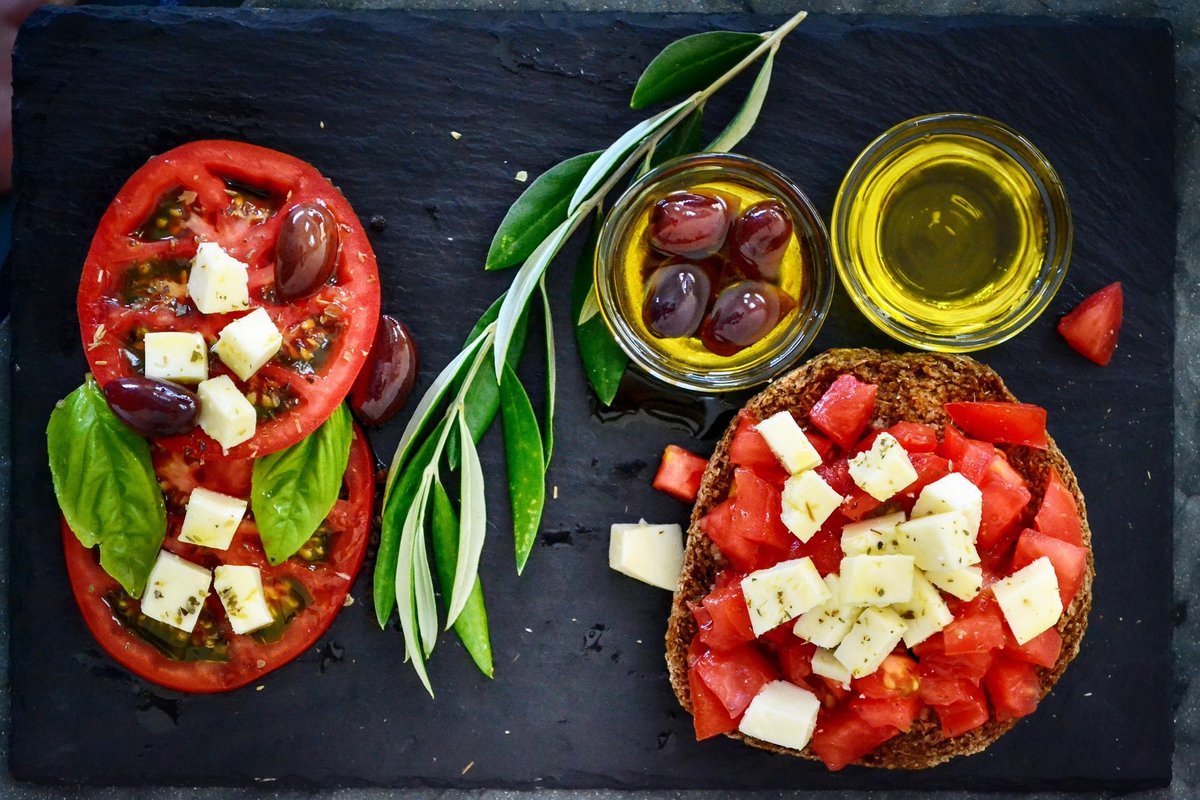
Single nutrients such as vitamin D and protein have long been studied for fall prevention. A systematic review published in Nutrition Reviews on 1 October 2026, by researchers at the University of Oviedo in Spain, looked at whole dietary patterns instead. From 56,462 articles screened, 11 studies met their criteria, with 55,144 older adults from 5 countries, most of them living in the community rather than in care homes.
The studies looked at the Mediterranean diet (6 studies), the traditional Japanese diet (2), plant-based diets (3) and pro-inflammatory eating patterns (4). The main finding was that people who followed a Mediterranean diet more closely had a lower risk of falls as they aged.
The authors are frank about the limits: only 1 study was rated strong, 5 moderate and 5 weak, and none was a population-based controlled trial. People who eat a Mediterranean diet may also be more active or healthier in other ways. Still, they suggest a Mediterranean diet, or a similar pattern that fits local food culture, could help with the growing number of falls in older adults, alongside proven measures such as strength and balance exercise.
The review at a glance
11
Studies included
55,144
Older adults
5
Countries
6
Studies on the Mediterranean diet
1 of 11
Studies rated strong quality
Checked on the journal abstract (Nutrition Reviews, published online 1 October 2026, via its PubMed record). The review was registered with PROSPERO (CRD42024505564). No pooled risk figure is given in the abstract.
- A Mediterranean diet is built on vegetables, fruit, legumes, whole grains, nuts and olive oil, with fish regularly and red meat rarely.
- Muscle and balance decline with age; enough protein spread across the day and regular strength exercise both help keep muscle.
- An Indian thali with dal, vegetables, whole grains and curd shares much of the Mediterranean pattern: mostly plants, legumes and little processed food.
- Dietary Patterns and Risk of Falls in Older Adults: A Systematic ReviewNutrition Reviews, 1 October 2026 · Journal article
- PubMed record 42821251US National Library of Medicine · Abstract with all figures used here
General information, not medical advice. If you or an older relative have had a fall or feel unsteady, talk to a doctor; a fall can have causes such as medicines, eyesight or blood pressure that need checking.
Analysis by NutroPractic from the sources listed. Written for general readers; it does not replace advice from your own doctor.
From our articles
Our guides on this subject
Plain-language guides on nutrition and wellness, backed by research.
Medicines and nutrition
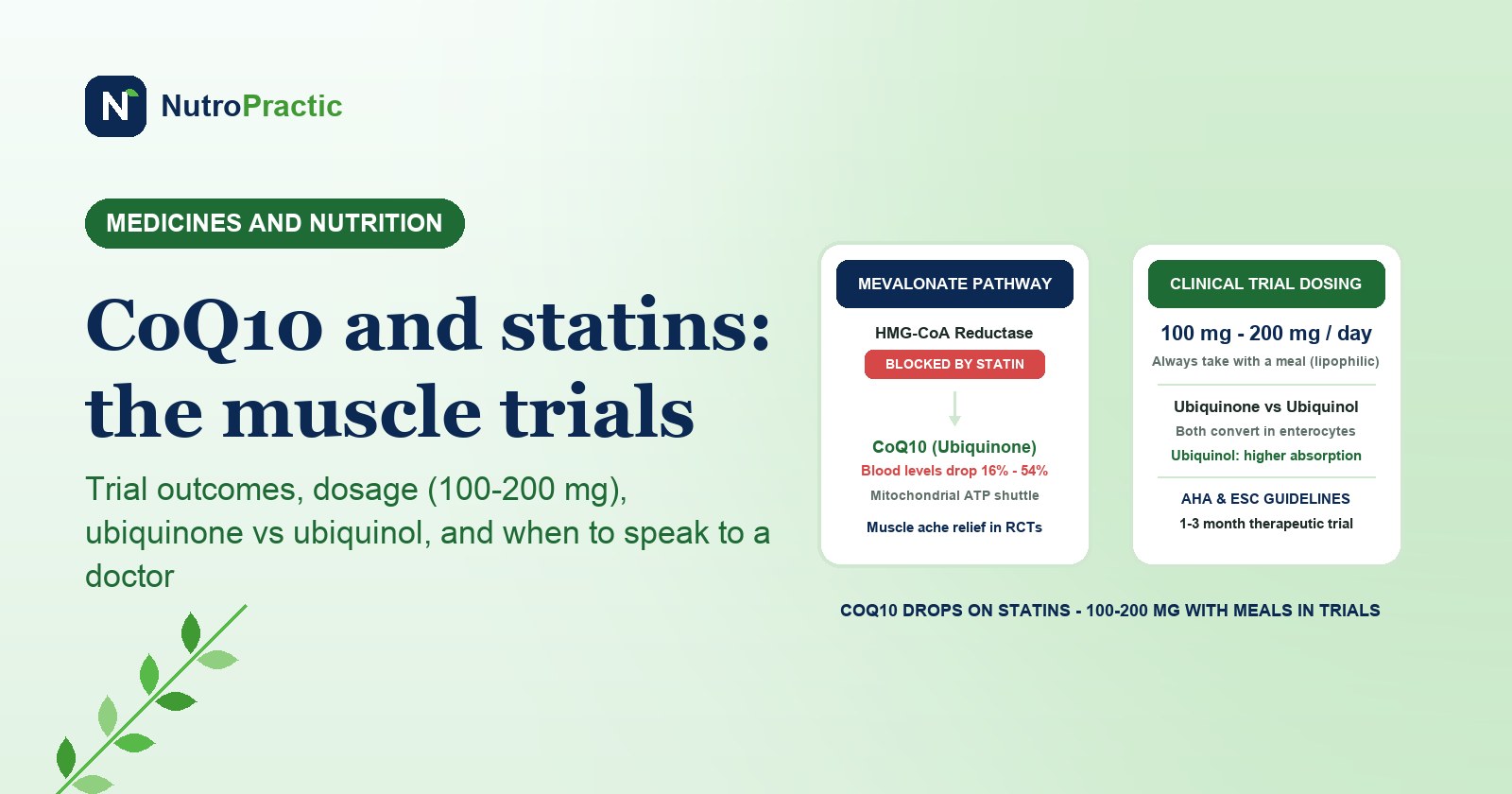
CoQ10 and statins: what the muscle symptom trials found, and who might benefit
Statin-associated muscle symptoms lead up to 30% of patients to discontinue life-saving cholesterol therapy. While statins deplete circulating CoQ10 by 16% to 54%, randomized clinical trials show mixed results for myalgia relief. Explore the trials, ubiquinone vs ubiquinol bioavailability, recommended doses, and clinical guideline recommendations.
14 Nov 2026

Women's wellness and nutrition
Creatine for women: cognitive performance, menstrual cycle phases, and bone density beyond muscle building
Creatine is widely stereotyped as a bodybuilding supplement for men, but female physiology tells a very different story. Women exhibit 70% to 80% lower endogenous creatine stores, reduced dietary intake, and cyclical fluctuations in brain creatine kinase across the follicular and luteal phases. Robust clinical trials demonstrate that 3 to 5 grams of daily creatine monohydrate enhances cognitive performance during sleep deprivation, augments clinical response in unipolar depression, preserves femoral neck bone geometry in postmenopausal women, and causes cellular intracellular hydration rather than subcutaneous bloating.
13 Nov 2026
Healthy ageing
Creatine beyond the gym: what it does for older adults and women, and what it doesn't
Across 22 trials, adults in their late fifties to seventies who took creatine while doing resistance training gained about 1.4 kg more lean mass than those who trained without it. Two two-year trials found it did nothing for bone density after menopause. Where the evidence is solid, where it's early (memory, short nights), how much to take, and who should leave it alone.
10 Oct 2026
Newsfeed for your website
Want this feed on your website?
Add it to any site with one copy-and-paste snippet. No sign-up, and it updates itself every hour.
Start with a virtual consultation
Tell Dr. Triveni what you want to change. You will leave with a clear next step, whether you are in Toronto, London, New York or Chennai.