Child nutrition · October 7, 2026
Overweight in India's under-fives doubled in 15 years, then fell. Nine states still worry researchers
Four rounds of India's national family health survey show a slow rise in overweight among young children, and a drop in the latest round. The national picture is reassuring; the state map is not.
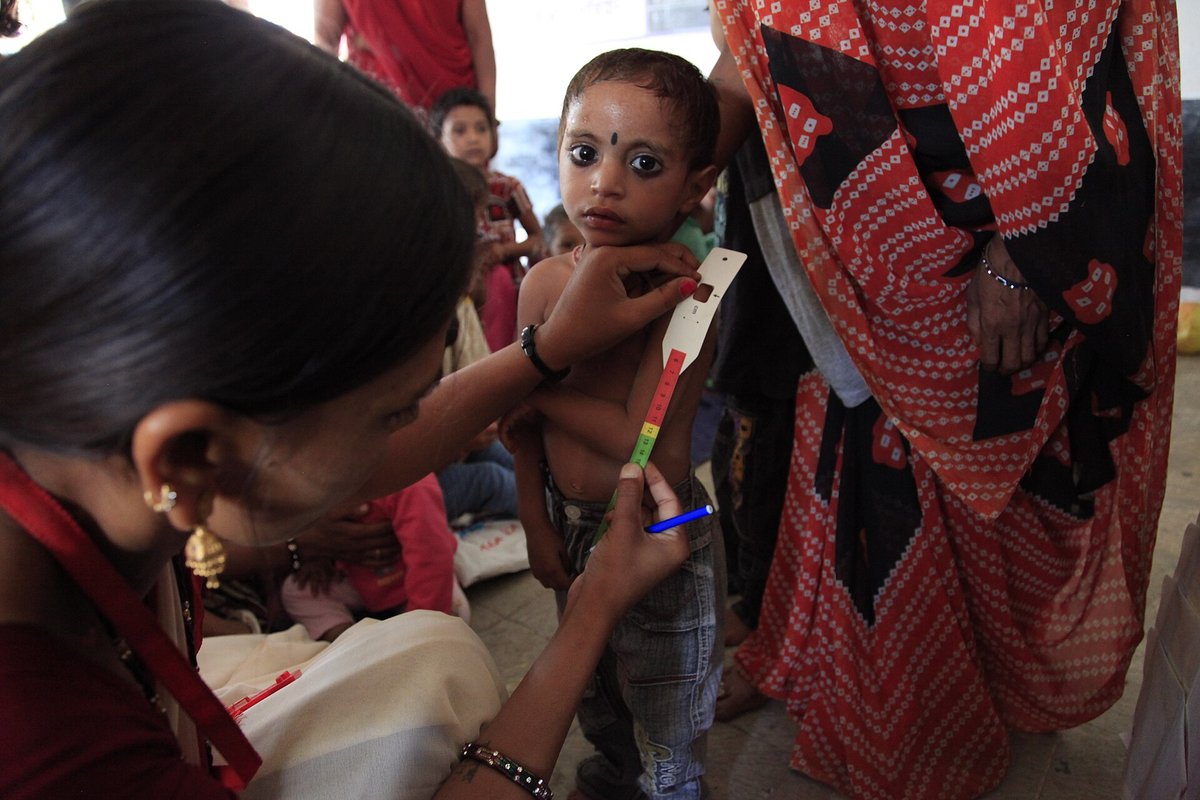
India's child nutrition story is usually told through stunting and wasting. A cross-sectional study published in JAMA Network Open on 29 September 2026 looked at the other end of the scale: overweight and obesity in children under five. Researchers led from San Diego State University used the four most recent waves of the National Family Health Survey, covering 2006 to 2024, and estimated trends for all 36 states and union territories.
Using the World Health Organization's definitions (weight for height more than 2 standard deviations above the WHO median for overweight, more than 3 for obesity), overweight rose from 1.55% of under-fives in 2006 to 3.42% in 2021, and obesity from 0.50% to 1.30%. In the 2024 wave, which the authors could only use as published state and national estimates, overweight was back down to 1.3%. The analysis of individual children covered 467,995 children from the 2006, 2016 and 2021 surveys.
The 2030 Global Nutrition Target asks countries to keep child overweight at 5% or less. The model projects that India will stay under that line nationally, but nine states and union territories had only a low to moderate probability of doing so: Arunachal Pradesh, Assam, Himachal Pradesh, Jammu and Kashmir, Kerala, Mizoram, Nagaland, Sikkim and Tripura. The authors call for regional rather than national-only programmes. A survey can show a trend but not its causes, and the 2024 dip rests on summary figures rather than the full data.
Overweight in children under five, India
1.55%
Overweight in 2006
3.42%
Overweight in 2021
1.3%
Overweight in 2024 (published estimates)
0.50% to 1.30%
Obesity, 2006 to 2021
9
States and UTs at risk of missing the 2030 target
Figures checked on the journal abstract (JAMA Network Open, published online 29 September 2026, via its PubMed record). Overweight means weight for height more than 2 standard deviations above the WHO median; the 2030 Global Nutrition Target is 5% or less.
- The National Family Health Survey is India's version of the Demographic and Health Surveys run in many countries; its 2021 round alone measured more than 200,000 young children in this analysis.
- Overweight and undernutrition can exist in the same district, and even the same family. Researchers call this the double burden of malnutrition.
- For a young child, healthy growth is judged on growth charts over time, not on a single weight. Anganwadi centres and paediatricians track this at regular check-ups.
- Prevalence of Overweight and Obesity Among Children Younger Than 5 Years in IndiaJAMA Network Open, 29 September 2026 · Journal article
- PubMed record 42809284US National Library of Medicine · Abstract with all figures used here
General information, not medical advice. If you are worried about your child's weight or growth, talk to your paediatrician; young children should not be put on weight-loss diets without medical advice.
Analysis by NutroPractic from the sources listed. Written for general readers; it does not replace advice from your own doctor.
From our articles
Our guides on this subject
Plain-language guides on nutrition and wellness, backed by research.
Global data
Diabetes, obesity, child malnutrition and hunger, 1980 to 2050: what the numbers show
How diabetes, obesity, child malnutrition and hunger have changed since 1980, with sourced figures and a basic projection to 2050. Click a condition to explore the chart and its facts.
5 Oct 2026

Supplements and vitamins
Spermidine from food or capsules: measured milligrams in wheat germ, soybeans and cheese, and what the one year-long trial found
Wheat germ holds about 22 to 34 mg of spermidine per 100 g, matured cheese about 0.12 mg. The only year-long capsule trial used 0.9 mg a day and found no memory benefit. Measured values, worked doses and safety.
22 Nov 2026

Supplements and vitamins
Zinc carnosine for the gut lining: what the two human trials gave, the zinc in each dose, and the copper catch
Zinc carnosine is only about 22.6% zinc, so 75 mg twice a day is roughly 34 mg of zinc a day. Here are the doses and results of the 10-person NSAID permeability trial and the 20-person aspirin pilot, and the copper cautions.
22 Nov 2026
Newsfeed for your website
Want this feed on your website?
Add it to any site with one copy-and-paste snippet. No sign-up, and it updates itself every hour.
Start with a virtual consultation
Tell Dr. Triveni what you want to change. You will leave with a clear next step, whether you are in Toronto, London, New York or Chennai.