Mental health · October 7, 2026
Does milk lift young people's mood? A pooled analysis of 123,519 children says not clearly
Ten studies, six of them pooled, found no significant overall link between dairy and depressive symptoms in 6 to 19 year olds. An Asian subgroup told a different story, and that is where caution matters.
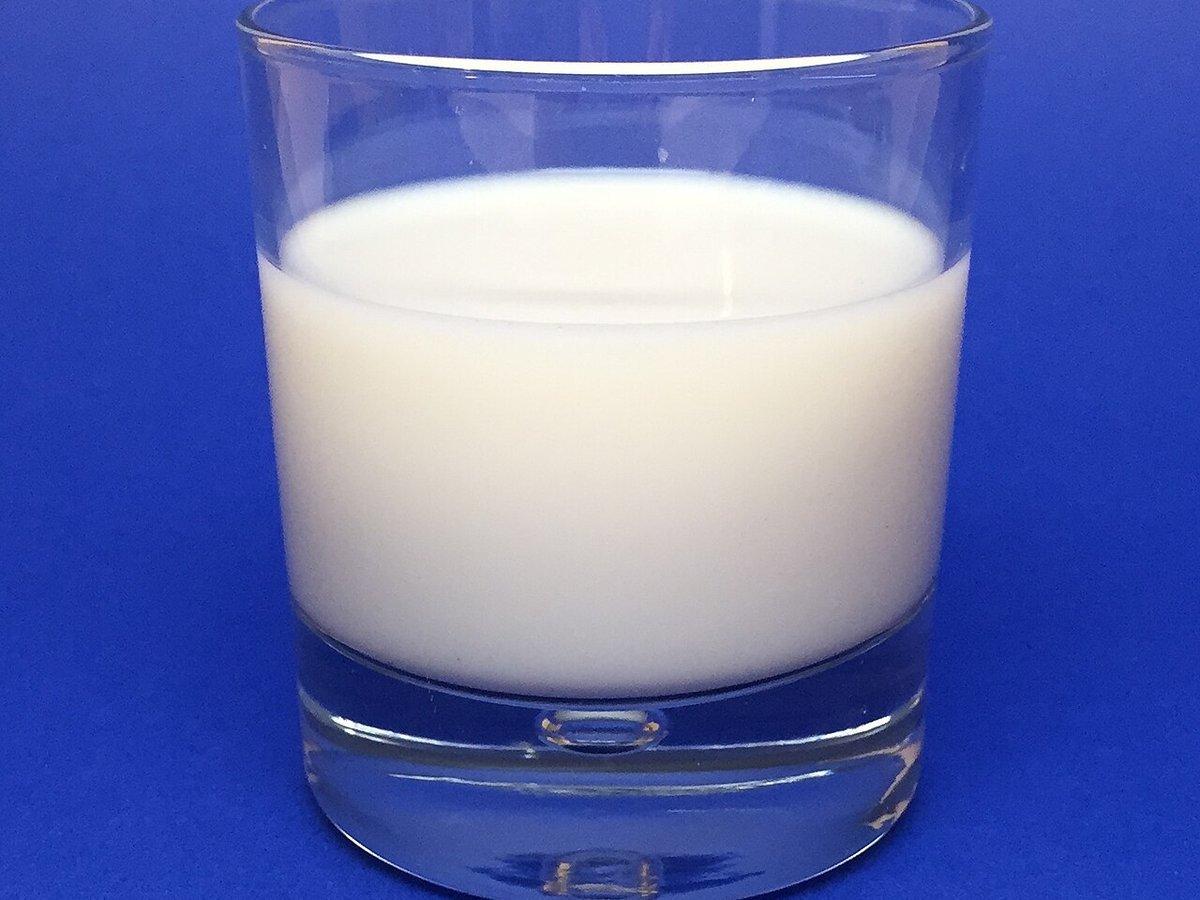
A systematic review and meta-analysis published in Nutrients on 28 September 2026 gathered observational studies of milk and dairy intake and anxiety or depressive symptoms in children and adolescents aged 6 to 19. Ten studies qualified: eight cross-sectional and two cohort studies.
Pooling six cross-sectional studies with 123,519 participants, the review found no significant association between dairy intake and depressive symptoms (odds ratio 0.70, 95% CI 0.46 to 1.07). Exploratory subgroup analyses suggested lower odds among Asian children and adolescents (odds ratio 0.40) and for general dairy intake (0.39). Only two individual studies reported a link with anxiety, too few to pool.
The authors list the limits plainly: mostly cross-sectional studies, which cannot show which came first; large differences between studies; few studies overall; and limited geographic spread. Exploratory subgroups raise questions rather than answer them. Whatever its effect on mood, milk and curd remain good sources of protein, calcium and vitamin B12 for children who tolerate them.
The pooled result
10
Studies included (8 cross-sectional, 2 cohort)
123,519
Children and adolescents in the pooled analysis
0.70
Odds ratio, not significant (CI 0.46–1.07)
0.40
Odds ratio, Asian subgroup (exploratory)
All figures from the abstract on the Nutrients page (published 28 September 2026). The review covered studies published up to March 2026 and was registered with PROSPERO (CRD420261328004). Funding listed: National Natural Science Foundation of China and Yunnan provincial programmes.
- An odds ratio below 1 means lower odds. If its confidence interval crosses 1, as it does here, the result could be chance.
- A cross-sectional study measures diet and mood at the same time, so it cannot tell whether diet affects mood or mood affects diet.
- Curd, buttermilk and paneer count as dairy, and fermented dairy such as curd is often easier to digest for people who are sensitive to lactose.
- Association of Milk and Dairy Intake with Anxiety and Depressive Symptoms in Children and Adolescents: A Systematic Review and Meta-AnalysisNutrients, 28 September 2026 · Journal page and abstract: all figures checked here
General information, not medical advice. If you are worried about a child's mood, talk to your paediatrician or a mental health professional.
Analysis by NutroPractic from the sources listed. Written for general readers; it does not replace advice from your own doctor.
Newsfeed for your website
Want this feed on your website?
Add it to any site with one copy-and-paste snippet. No sign-up, and it updates itself every hour.
Start with a virtual consultation
Tell Dr. Triveni what you want to change. You will leave with a clear next step, whether you are in Toronto, London, New York or Chennai.