Plant-based foods · October 7, 2026
Plant-based burgers mostly score well. Plant-based cheese scored D or E every time
EU scientists checked the nutrition of plant-based copies of meat, milk and cheese, a market that has grown several times over since 2009. The answer depends very much on which shelf you are standing at.
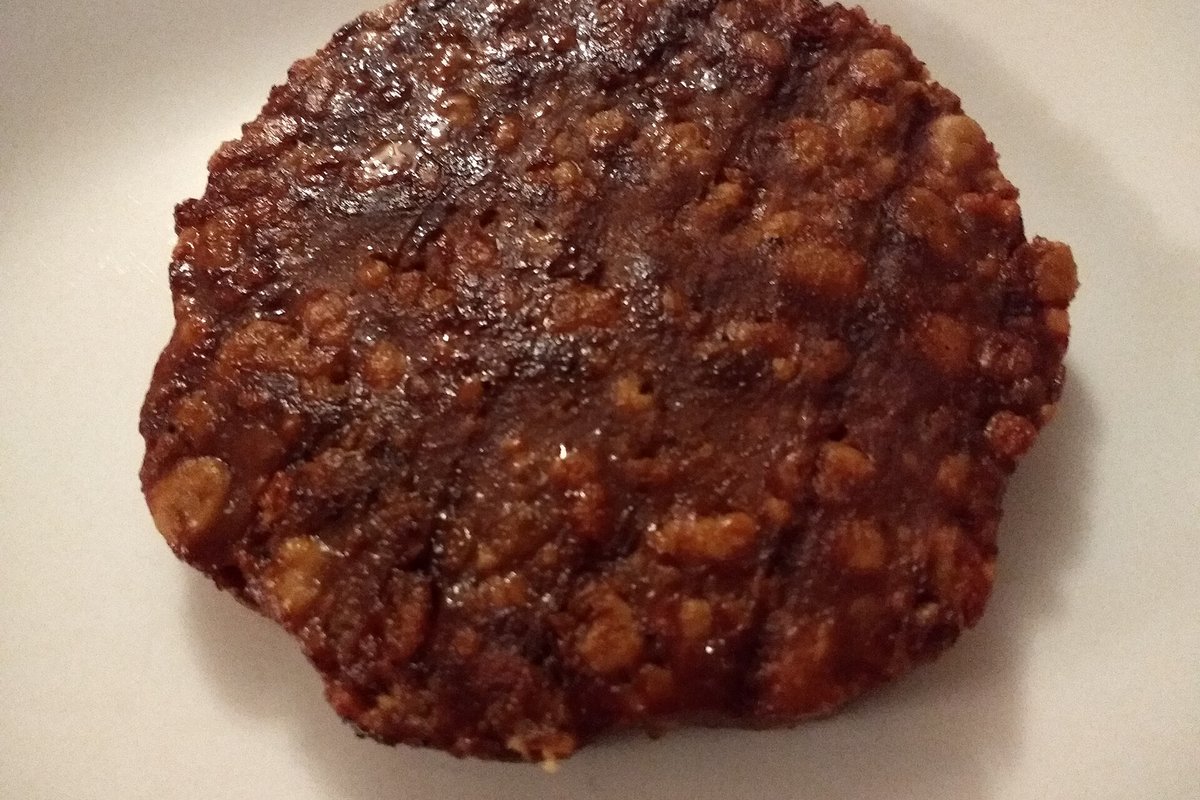
Plant-based versions of meat, seafood and dairy are now a regular sight in European supermarkets. A study published in BMC Medicine on 24 September 2026, by researchers at the European Commission's Joint Research Centre, asked how big that market has become and how healthy the products are. They used market data from Euromonitor's Passport database and nutrient data from EuroFIR's FoodEXplorer, and rated products with Nutri-Score and traffic-light labels.
Between 2009 and 2024 the market volume of dairy analogues more than tripled, and that of meat and seafood analogues grew about sevenfold. About half of the meat and seafood analogues scored Nutri-Score A or B, and over 60% qualified for EU "high protein" and "low saturated fat" claims. Plant-based drinks varied more. Every analogue of curded dairy products, the cheese-type category, scored D or E, driven by total fat, saturated fat and salt, and many of them had little or no protein.
Compared with the animal foods they copy, the plant-based products on average had more fibre and less total and saturated fat, but less protein and sugar and salt levels that varied widely. The authors say better recipes could make these foods a stronger part of healthy, sustainable diets. For shoppers, the practical message is to read the label of each product rather than assume that plant-based means healthier.
Plant-based analogues in the EU
More than 3x
Growth in dairy analogue market volume, 2009 to 2024
About 7x
Growth in meat and seafood analogues
About 50%
Meat and seafood analogues scoring Nutri-Score A or B
Over 60%
Meat and seafood analogues eligible for high-protein and low-saturated-fat claims
100%
Cheese-type analogues scoring D or E
Checked on the journal's article page (BMC Medicine, published 24 September 2026, open access). The study had no external funding; the authors work at the European Commission's Joint Research Centre.
- Nutri-Score grades foods from A (best) to E on a front-of-pack label, based on nutrients such as sugar, salt, saturated fat, fibre and protein.
- Many plant-based cheeses are made from coconut oil and starch, which explains high saturated fat and low protein. Ones made from nuts, soy or legumes tend to have more protein.
- Fortification varies: some plant-based milks have added calcium, vitamin B12 and vitamin D, others none. The ingredient list tells you which.
- Plant-based packaged foods as analogues to animal products: market trends and nutritional quality analysisBMC Medicine, 24 September 2026 · Journal article, open access: abstract, funding and affiliations checked here
General information, not medical advice. If you are changing to a plant-based diet, a dietitian can help you cover protein, vitamin B12, iron, calcium and other nutrients.
Analysis by NutroPractic from the sources listed. Written for general readers; it does not replace advice from your own doctor.
Newsfeed for your website
Want this feed on your website?
Add it to any site with one copy-and-paste snippet. No sign-up, and it updates itself every hour.
Start with a virtual consultation
Tell Dr. Triveni what you want to change. You will leave with a clear next step, whether you are in Toronto, London, New York or Chennai.