Weight and sweeteners · October 5, 2026
Diet drinks matched water for two years of weight loss. The trial was funded by the beverage industry
A randomised trial of 493 adults with overweight or obesity found similar weight change over 104 weeks. Here is what that result settles, and what it leaves open.
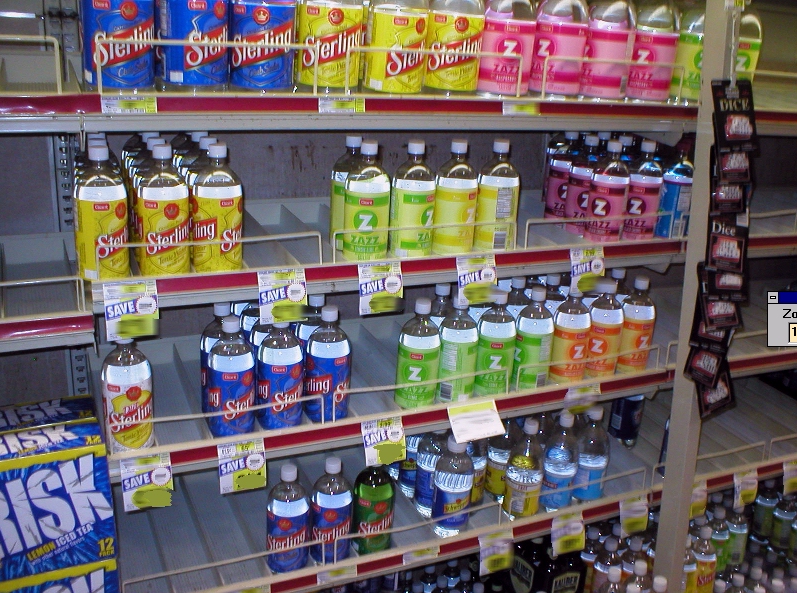
A two-year randomised trial, published in the British Journal of Nutrition in early October 2026, compared diet drinks with water for adults with overweight or obesity. The 493 adults all took part in a structured behavioural weight-management programme, and drank either water or commercially available diet beverages containing non-nutritive sweeteners.
The average weight change was 4.8 kg lost in the diet-drink group and 3.7 kg in the water group. The difference was not statistically significant, so the trial found no clear weight advantage for water over two years. The researchers, from the Universities of Liverpool and Leeds, say concerns that sweeteners disrupt appetite or cause weight gain are not supported by this trial.
Two cautions apply. The American Beverage Association funded the trial, which the release names. And a non-significant result is not the same as proof of no difference. The paper's full methods, including how many people finished the two years, are what to check before drawing conclusions. This trial does not show that diet drinks are healthier than water.
Diet drinks against water, 104 weeks
493
Adults with overweight or obesity, randomised
104 weeks
Length of the trial
−4.8 kg
Average weight change, diet-drink group
−3.7 kg
Average weight change, water group
Not significant
Difference between the two groups
Figures as summarised in a ScienceDaily release on the trial (dated 2 October 2026). Funding: American Beverage Association. The paper gives the completion numbers and the confidence intervals; read it before quoting numbers beyond these.
- Non-nutritive sweeteners are sugar substitutes, such as aspartame, acesulfame potassium and sucralose. They add sweetness with little or no energy, and the trial's diet drinks contained these.
- A randomised trial assigns people to groups by chance, which makes it a stronger test of one change, such as switching drinks, than a study that only observes what people already do.
- Long trials often lose participants. When fewer people finish, the ones who stay may differ from those who leave, so it is worth checking how many completed the trial.
- Diet drinks work as well as water for weight loss, major trial findsScienceDaily (release on a two-year trial, University of Liverpool and University of Leeds), British Journal of Nutrition · Release summarising the trial
General information, not medical advice. If you are managing your weight, talk to your doctor or a dietitian about a plan that fits your health.
Analysis by NutroPractic from the sources listed. Written for general readers; it does not replace advice from your own doctor.
Newsfeed for your website
Want this feed on your website?
Add it to any site with one copy-and-paste snippet. No sign-up, and it updates itself every hour.
Start with a virtual consultation
Tell Dr. Triveni what you want to change. You will leave with a clear next step, whether you are in Toronto, London, New York or Chennai.