Mental health · October 7, 2026
Twenty people with depression cut ultra-processed food by 85%. Their depression scores improved
A small pilot asked adults with major depression to swap most packaged food for whole food for four weeks. The early signal is interesting, and the size of the study is the reason not to overread it.
A pilot crossover trial published in JAMA Psychiatry on 23 September 2026 asked 20 adults with major depressive disorder, who ate a large share of ultra-processed food, to cut it back. One group stayed on its usual diet for four weeks while the other switched to a diet low in ultra-processed foods; then the groups swapped. Participants chose and bought their own food, with guidance from the research team at the University of California, San Francisco.
According to the university's release, participants cut their ultra-processed food intake by more than 85% and showed moderate to large improvements on three different measures of depression while eating that way. Anxiety scores improved modestly. The group's average age was 44, 70% were women, 14 of the 20 also had anxiety, and all had a high BMI and at least one metabolic disorder.
The trial was built to test whether such a study can be done, not to prove that diet treats depression. Twenty people is a small group, everyone knew what they were eating, and a change of diet often comes with other changes in routine. The researchers plan a larger phase 2 trial, with enrolment expected to begin in 2028. Changing what you eat is not a replacement for depression treatment: keep to the care plan agreed with your doctor.
The pilot at a glance
20
Adults with major depression
>85%
Cut in ultra-processed food intake
4 weeks
Each diet period, then the groups swapped
14 of 20
Also had anxiety
70%
Women
Design and date checked on the JAMA Psychiatry page (published online 23 September 2026). The figures are from the UCSF release as published by ScienceDaily; the paper gives the names of the three depression scales and the score changes. Funding: US National Institutes of Health and the UCSF Weill Institute for Neurosciences.
- In a crossover trial each person tries both conditions, so they act as their own comparison. That helps a small study, but it cannot hide which diet people are on.
- Observational studies have linked higher ultra-processed food intake with a higher risk of developing depression, rising with the amount eaten. This pilot is a first step towards testing that link directly.
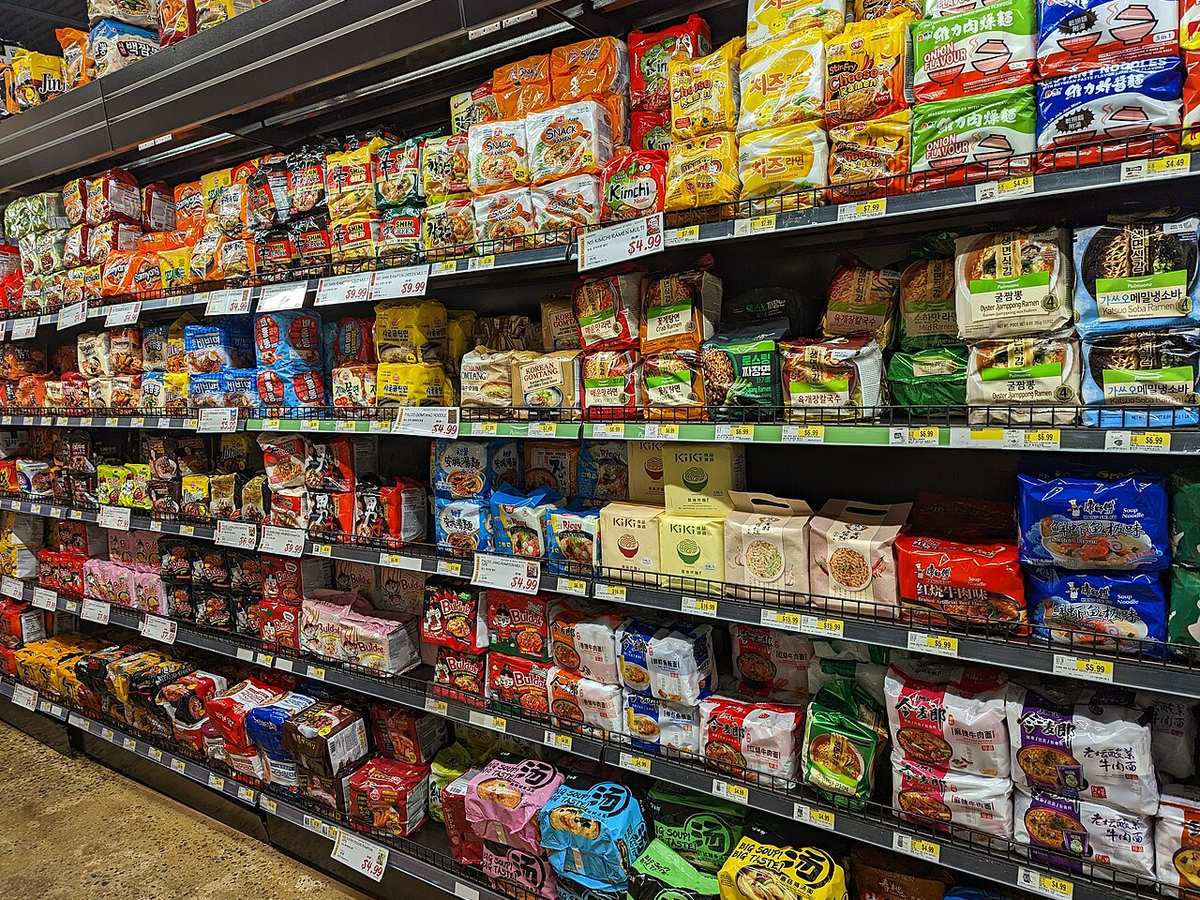
- Ultra-processed foods are industrial formulations such as packaged snacks, instant noodles, sugary drinks and many ready meals. A simple swap is cooking from basic ingredients a few more times a week.
- Reducing Ultraprocessed Foods From the Diets of Patients With Depression: A Pilot Crossover TrialJAMA Psychiatry, 23 September 2026 · Journal page: design, sample and date checked here
- Could quitting ultra-processed food boost your mental health?ScienceDaily (release from the University of California, San Francisco), 1 October 2026 · Release with the participant figures and the planned phase 2 trial
General information, not medical advice. If you have depression or anxiety, talk to your doctor before changing your treatment, and see a dietitian before making big changes to what you eat.
Analysis by NutroPractic from the sources listed. Written for general readers; it does not replace advice from your own doctor.
Newsfeed for your website
Want this feed on your website?
Add it to any site with one copy-and-paste snippet. No sign-up, and it updates itself every hour.
Start with a virtual consultation
Tell Dr. Triveni what you want to change. You will leave with a clear next step, whether you are in Toronto, London, New York or Chennai.