Food and the planet · October 7, 2026
Following the new US dietary guidelines would raise a diet's carbon footprint by a third
A Nature Food analysis puts a climate cost on the 2025–2030 advice and names one main driver: more protein. Here is what the number means, and what it does not say about health.
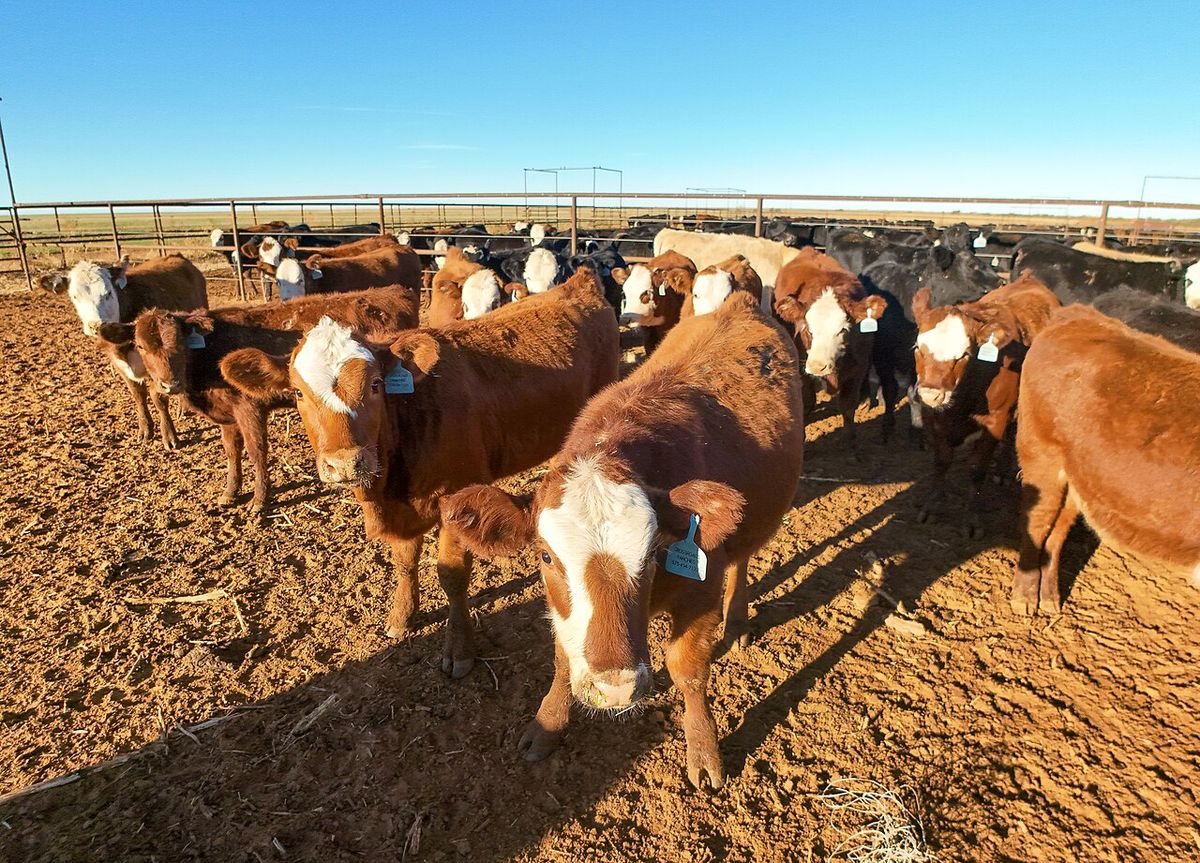
A short analysis published in Nature Food on 23 September 2026 estimated the greenhouse-gas footprint of eating in line with the Dietary Guidelines for Americans 2025–2030. The authors linked dietary data from the US National Health and Nutrition Examination Survey (NHANES) with life-cycle emission estimates for foods.
They estimate that a diet following the new guidelines would produce 5.46 kg of carbon dioxide equivalents for every 2,000 kcal eaten, 32.8% more than diets following the 2015–2020 and 2020–2025 editions. The main driver is the higher recommended protein intake. The authors describe it as a misalignment between health goals and environmental sustainability.
This is a model of emissions, not a study of health outcomes, so it says nothing about whether the guidelines are healthier. The size of the increase depends on which protein foods people choose: animal foods, beef above all, generally carry a much larger footprint than beans, lentils and other plant proteins. For anyone who wants more protein with a smaller footprint, mixing in plant sources is the practical lever.
The footprint estimate
5.46 kg
CO₂ equivalents per 2,000 kcal, 2025–2030 guidelines
+32.8%
Compared with the 2015–2020 and 2020–2025 guidelines
Protein
Main driver of the increase
NHANES
US dietary data used for the model
Figures from the abstract on the Nature Food page (published 23 September 2026). Estimates come from a model linking diets to average life-cycle emissions per food, so real footprints vary by farm, region and food choice.
- Carbon dioxide equivalents put methane and nitrous oxide, both important in farming, on the same scale as carbon dioxide so different foods can be compared.
- A life-cycle estimate counts emissions from the farm through processing, transport and packaging, not just what happens in the kitchen.
- Pulses such as lentils, chickpeas, rajma and moong supply protein and fibre together, and are a staple protein in much of Indian cooking.
- Latest US dietary guidelines are projected to increase diet-related emissionsNature Food, 23 September 2026 · Journal page and abstract: figures checked here
General information, not medical advice. If you have a condition or take medicines, talk to your doctor or dietitian before changing what you eat.
Analysis by NutroPractic from the sources listed. Written for general readers; it does not replace advice from your own doctor.
Newsfeed for your website
Want this feed on your website?
Add it to any site with one copy-and-paste snippet. No sign-up, and it updates itself every hour.
Start with a virtual consultation
Tell Dr. Triveni what you want to change. You will leave with a clear next step, whether you are in Toronto, London, New York or Chennai.