Newsfeed
Nutrition research, analysed
A new analysis every hour. Each one covers a recent study or report: What was found, the numbers behind it and the sources to check. We write about research from the last two weeks, not the news of the day.
Nutrition science · November 14, 2026
An oral semaglutide carrier boosted absorption in cells and mice — it is not a pill ready for people
Engineered nanomicelles raised intestinal permeability and produced weight and glucose changes in obese mice. The striking percentages are preclinical and cannot predict the human dose, benefit or safety.
Read the analysis
Gut health · November 14, 2026
Inflamed bowel tissue lost several of its fluid-absorbing signals — and regained them when the lining healed
Biopsies from people with Crohn's disease and ulcerative colitis linked worse diarrhoea with lower expression of intestinal ion transporters. The tissue study maps a mechanism; it does not test a food, supplement or treatment.
Read the analysis
Food access · November 14, 2026
Food insecurity touched three-quarters of 385 Ghanaian students — anaemia did not follow the same line
A one-campus study measured haemoglobin as well as asking about food access. Food insecurity was widespread at home and on campus, yet the snapshot could not show that it explained who had anaemia.
Read the analysis
Vitamins and minerals · November 14, 2026
Most patients had tried iron tablets before an infusion — but 60% took them with food or medicines that could get in the way
In a Canadian outpatient survey, constipation, nausea and abdominal pain were common reasons oral iron fell short. The study documents experience rather than proving that a different schedule would have prevented IV treatment.
Read the analysis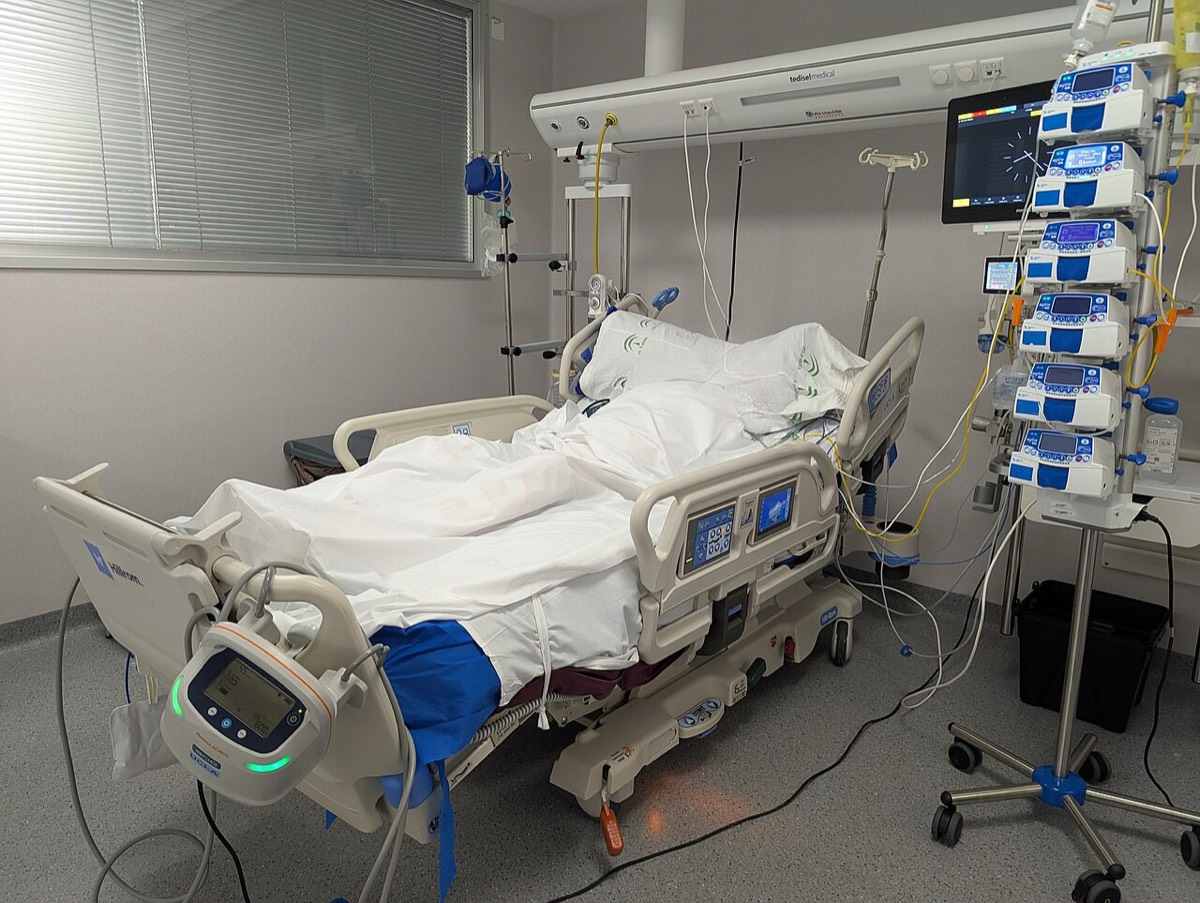
Clinical nutrition · November 14, 2026
Early IV micronutrients tracked with fewer infections in 462 ICU patients — but the two groups were not alike at the start
A hospital-record study found lower odds of later infection among critically ill adults given micronutrients within 72 hours. Large baseline differences and non-random treatment decisions mean the result needs a prospective trial.
Read the analysis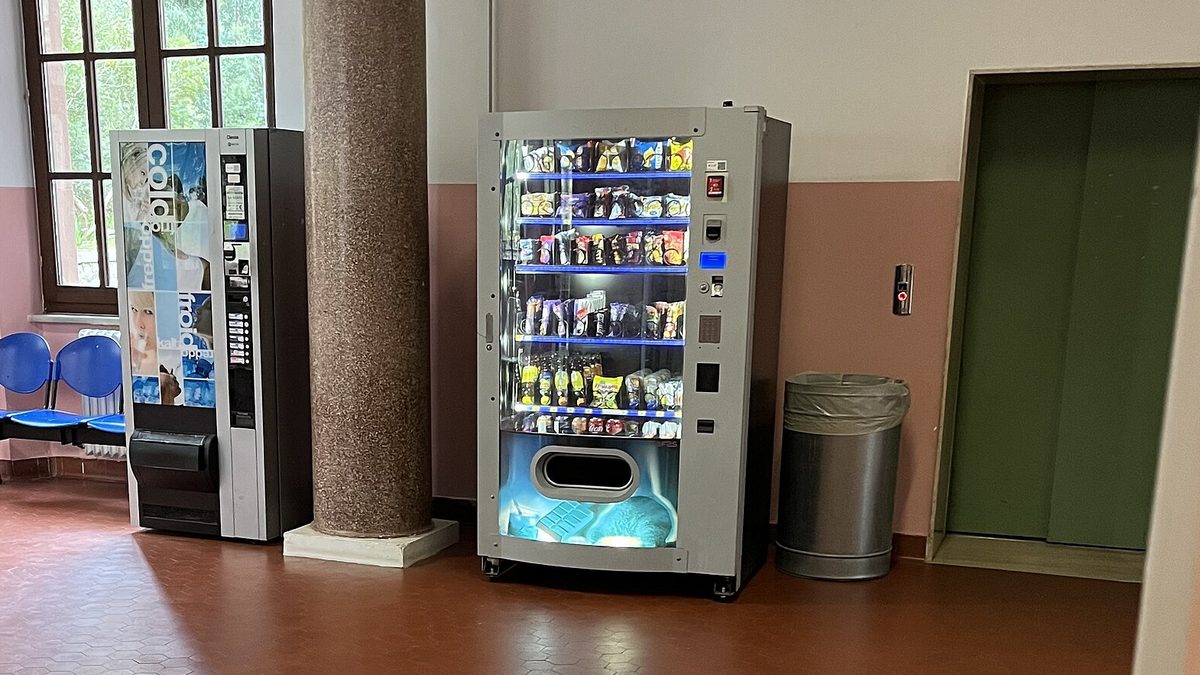
Teen nutrition · November 14, 2026
Where teenagers found a snack mattered more than who they were — vending-machine fruit was especially rare
Diet recalls from 3,631 US adolescents linked convenience-store, vending-machine and socially supplied snacks with greater energy density. The source stood out more consistently than the individual and social factors the researchers tested.
Read the analysis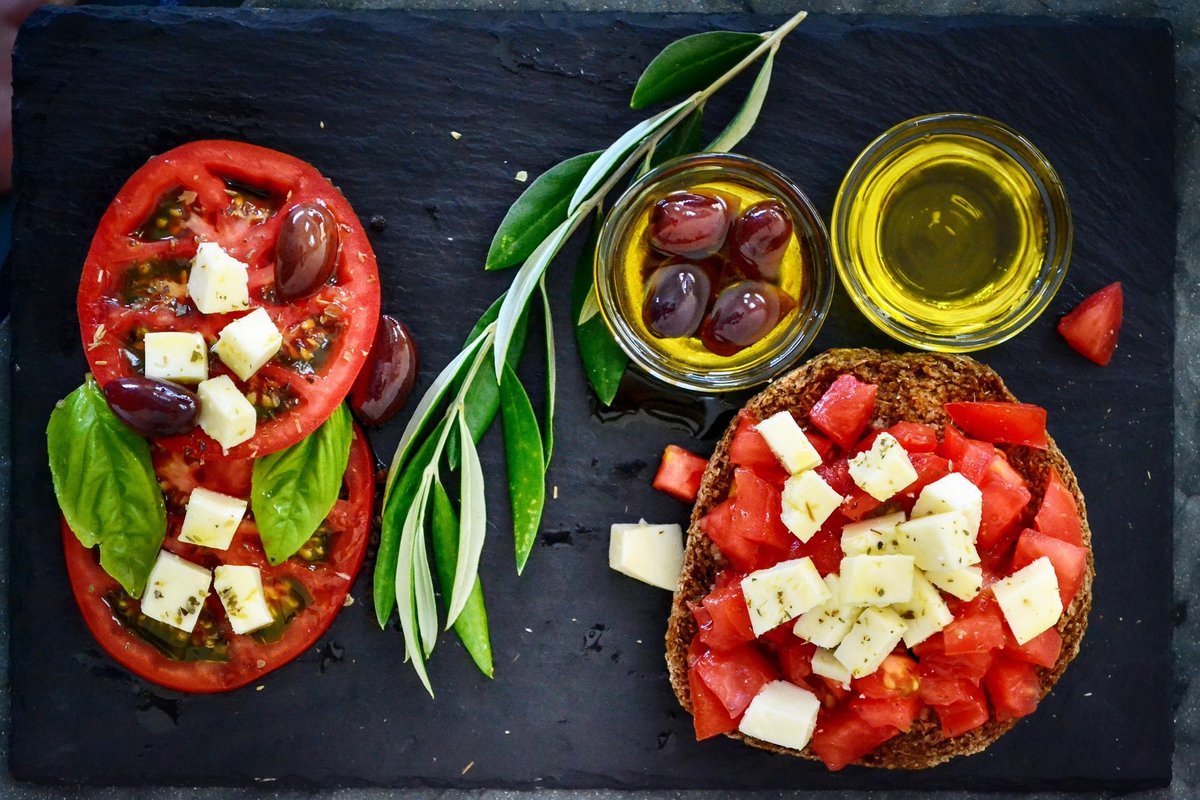
Healthy aging · November 14, 2026
Mediterranean-style eating showed scattered healthy-aging signals — not one proven anti-aging effect
Across 11 studies, some findings favoured cognition, memory, telomeres, epigenetic age and inflammation. Different diet definitions and mixed lifestyle programmes prevented a pooled answer or a clean claim that diet caused the changes.
Read the analysis
Food choices · November 14, 2026
Plant-based meat resistance was about identity, taste and access — not awareness alone
A synthesis of 31 qualitative studies found that age, gender, culture, price and access shaped how people talked about plant-based meat. Knowing the environmental or health arguments did not automatically make the products appealing.
Read the analysis
Weight management · November 14, 2026
Weight-loss diets shifted 32 circulating microRNAs — but no single fingerprint won out
A review of nine randomised trials found dozens of microRNA changes linked to metabolic pathways. Only five markers appeared in more than one study, and the diets differed too much for a universal response pattern.
Read the analysis
Food and mood · November 14, 2026
Higher MIND-diet scores tracked with less depression and anxiety — not less stress or visceral fat
In 1,236 adults, the highest modified MIND-diet third had lower odds of depression and anxiety symptoms. The snapshot found no corresponding link with stress or two metabolic indices, so it cannot tell whether the diet caused the difference.
Read the analysis
Heart health · November 14, 2026
Two healthy-diet scores tracked with one heart-rhythm measure — while the other measures stayed flat
Among 7,256 Dutch adults, DASH and Dutch healthy-diet scores aligned with one frequency-domain heart-rate-variability measure. Mediterranean and MIND scores did not, and no diet score tracked with the time-domain measures.
Read the analysis
Cancer nutrition · November 14, 2026
Diet variety tracked with 37% lower breast-cancer odds — but the study could not show cause and effect
A case-control study compared 477 women with breast cancer with 506 age-matched controls. A more varied diet tracked with lower odds, while a second healthy-eating score did not — a useful reminder that one score is not the same as prevention.
Read the analysisFrom our articles
Read, then eat a little better
Plain-language guides on nutrition and wellness, backed by research.

Women's health
Inositol for PCOS: the 40:1 ratio, trial doses, and food milligrams
Why do randomized trials in polycystic ovary syndrome prioritize the 40:1 myo to D-chiro inositol ratio? Here is the science behind the ovarian epimerase paradox, clinical ovulation and insulin metrics, and why cantaloupe cannot replace 4,000 mg trial powder.
21 Nov 2026

Everyday eating
Extra virgin olive oil polyphenols: the EU health claim, smoke point myths, and cooking stability
Does extra virgin olive oil degrade when cooked? What does the EU 5 mg polyphenol health claim require, how does oleocanthal act like ibuprofen, and why does oxidative stability matter more than smoke point in domestic frying? Here is the clinical and culinary data.
21 Nov 2026

Food and nutrition
L-theanine and caffeine: what cognitive trials measured on sustained attention, and milligrams in matcha vs green tea
Combining L-theanine with caffeine produces clean focus without caffeine jitters. Here is what randomized trials measured on attention-switching, EEG alpha brain waves, and the exact milligrams across ceremonial matcha, culinary powder, gyokuro, and sencha.
20 Nov 2026
Start with a virtual consultation
Tell Dr. Triveni what you want to change. You will leave with a clear next step, whether you are in Toronto, London, New York or Chennai.