Nutrition science · November 14, 2026
An oral semaglutide carrier boosted absorption in cells and mice — it is not a pill ready for people
Engineered nanomicelles raised intestinal permeability and produced weight and glucose changes in obese mice. The striking percentages are preclinical and cannot predict the human dose, benefit or safety.
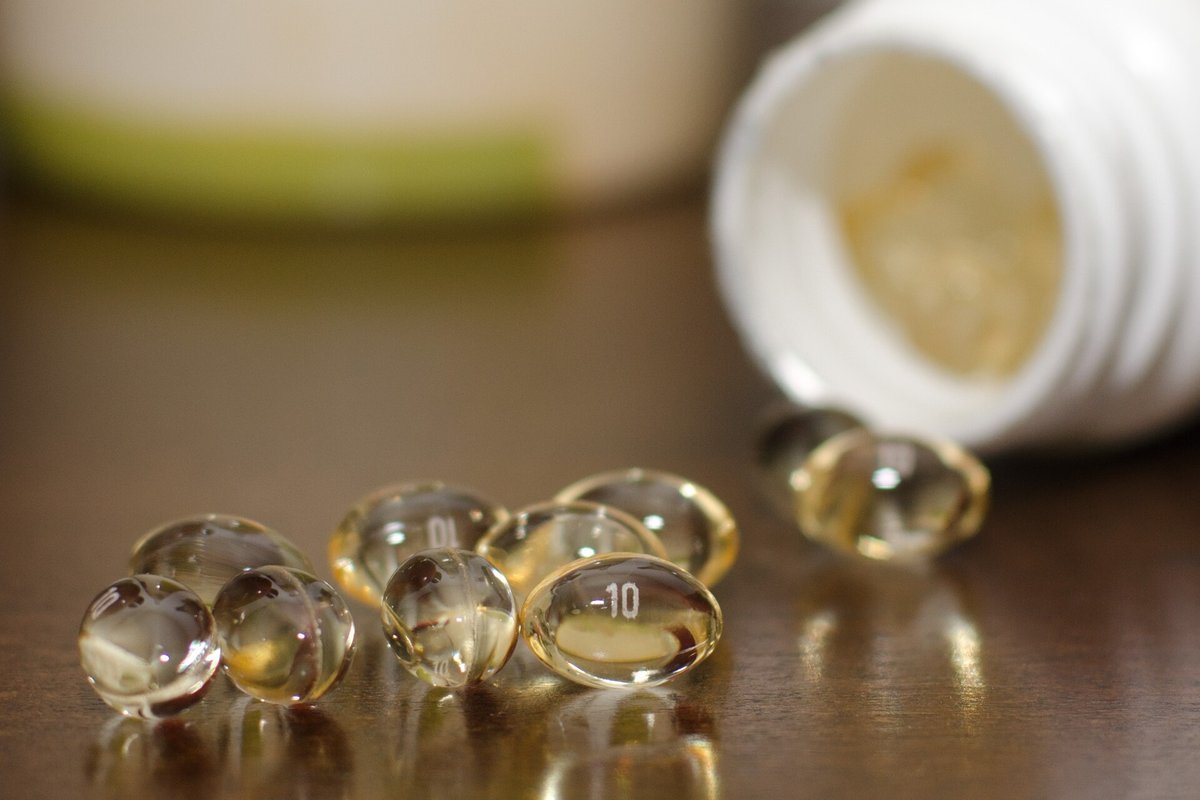
Researchers built microscopic carriers around semaglutide using glucosamine, a bile-acid derivative and a maltoside surfactant. The design aimed to use two intestinal transporters as well as cellular uptake pathways to move more of the peptide across the gut.
In laboratory intestinal-cell models, apparent permeability was 28.8 times higher than the comparison formulation; perfused animal intestine showed a 12.6-fold increase. Oral relative bioavailability reached 4.62%. In high-fat-diet-fed mice, the 5 mg/kg daily dose was associated with 30.3% lower body weight and 65.6% lower fasting glucose.
Those numbers describe an engineered formulation in cells and mice, not an approved medicine or a human trial. Species, dosing, manufacturing, toxicity and long-term exposure can all change what happens in people. The work solves part of a delivery problem on the laboratory bench; clinical usefulness remains untested.
Promising delivery numbers — all preclinical
64.7 nm
average nanomicelle size
28.8×
cell-model apparent permeability
4.62%
oral relative bioavailability
30.3%
mouse body-weight reduction at 5 mg/kg
The body-weight and glucose results came from high-fat-diet-fed mice. They cannot be converted into an expected human result or dose.
- Semaglutide is a peptide, so digestive enzymes and poor passage across the gut make oral delivery difficult.
- The formulation targeted ASBT, a bile-acid transporter, and GLUT2, a glucose transporter.
- A higher absorbed fraction is only one step; human trials would still need to establish safety, consistency and clinical benefit.
- Dual-transporter-targeted oral semaglutide nanomicelles enable enhanced intestinal absorption and metabolic reprogramming in obesity and diabetesJournal of Controlled Release / PubMed · Primary preclinical paper abstract with formulation, permeability, bioavailability and mouse outcomes; published in the 10 November 2026 issue.
This newsfeed item is for general education and does not recommend semaglutide or any experimental formulation. Prescription medicines should be used only under qualified medical care.
Analysis by NutroPractic from the sources listed. Written for general readers; it does not replace advice from your own doctor.
From our articles
Read, then eat a little better
Plain-language guides on nutrition and wellness, backed by research.

Women's health
Inositol for PCOS: the 40:1 ratio, trial doses, and food milligrams
Why do randomized trials in polycystic ovary syndrome prioritize the 40:1 myo to D-chiro inositol ratio? Here is the science behind the ovarian epimerase paradox, clinical ovulation and insulin metrics, and why cantaloupe cannot replace 4,000 mg trial powder.
21 Nov 2026

Everyday eating
Extra virgin olive oil polyphenols: the EU health claim, smoke point myths, and cooking stability
Does extra virgin olive oil degrade when cooked? What does the EU 5 mg polyphenol health claim require, how does oleocanthal act like ibuprofen, and why does oxidative stability matter more than smoke point in domestic frying? Here is the clinical and culinary data.
21 Nov 2026

Food and nutrition
L-theanine and caffeine: what cognitive trials measured on sustained attention, and milligrams in matcha vs green tea
Combining L-theanine with caffeine produces clean focus without caffeine jitters. Here is what randomized trials measured on attention-switching, EEG alpha brain waves, and the exact milligrams across ceremonial matcha, culinary powder, gyokuro, and sencha.
20 Nov 2026
Newsfeed for your website
Want this feed on your website?
Add it to any site with one copy-and-paste snippet. No sign-up, and it updates itself every hour.
Start with a virtual consultation
Tell Dr. Triveni what you want to change. You will leave with a clear next step, whether you are in Toronto, London, New York or Chennai.