Healthy aging · November 14, 2026
Mediterranean-style eating showed scattered healthy-aging signals — not one proven anti-aging effect
Across 11 studies, some findings favoured cognition, memory, telomeres, epigenetic age and inflammation. Different diet definitions and mixed lifestyle programmes prevented a pooled answer or a clean claim that diet caused the changes.
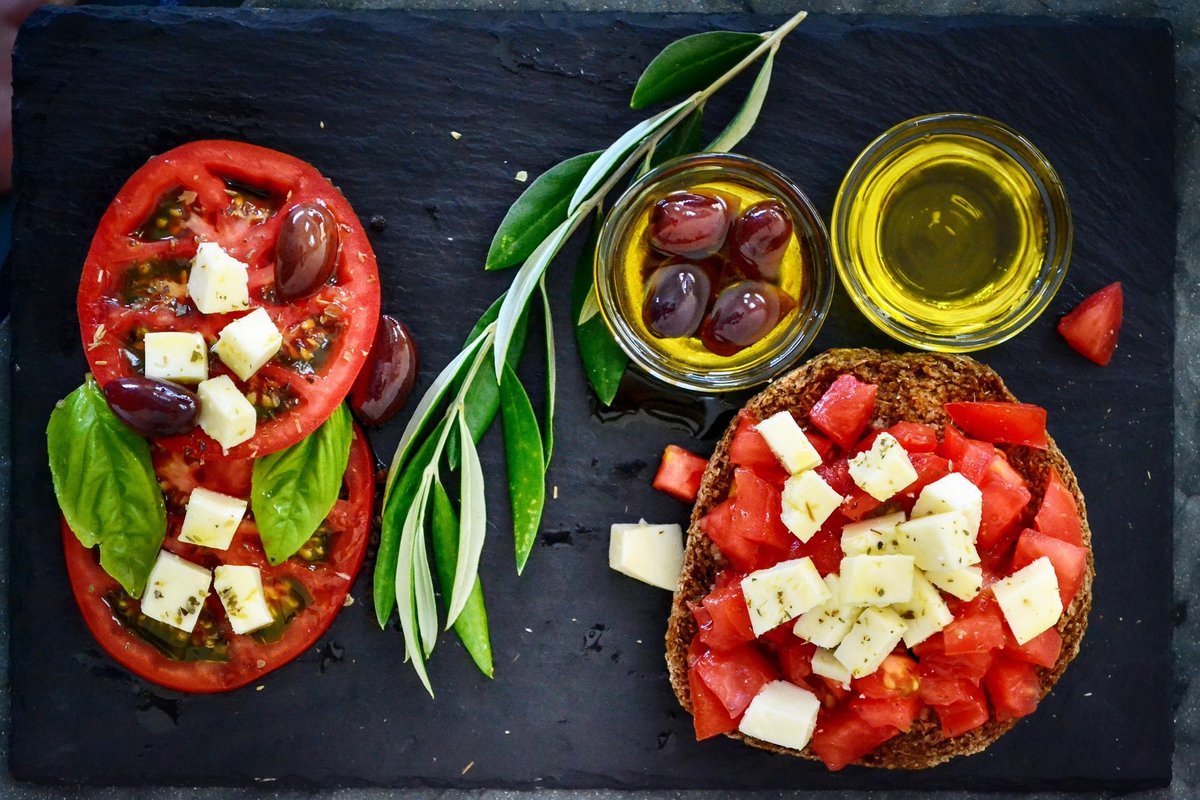
A systematic review examined studies published from 2013 to 2025 that linked Mediterranean-style eating with biological or functional markers of aging. Eleven studies qualified: five randomised trials, four prospective cohorts and two cross-sectional studies.
Some studies associated greater adherence with better cognitive performance or slower memory decline. Others reported favourable findings for telomere dynamics, epigenetic age or inflammatory markers. Improvements in frailty and physical performance appeared mainly in programmes that paired diet changes with physical activity.
The studies defined Mediterranean eating differently and used varied outcomes and intervention components, so the reviewers did not combine them in a meta-analysis. The evidence points to several promising domains, but it does not establish a uniform anti-aging effect or separate diet from exercise in multicomponent programmes.
A small, mixed evidence base
11
studies included
5
randomised trials
4
prospective cohort studies
0
pooled meta-analysis estimates
Heterogeneous diet definitions, outcomes and combined interventions prevented pooling. Positive findings in selected markers should not be read as proof that the diet slows aging overall.
- Epigenetic-age measures estimate patterns in DNA methylation; they are research biomarkers, not a person's literal biological age.
- Telomeres protect chromosome ends, but telomere length varies by cell type and measurement method.
- A multicomponent programme can be useful in practice while still making it difficult to identify which component produced a research result.
- Mediterranean Diet Adherence and Markers of Healthy Aging: A Systematic Review of Biological and Functional OutcomesNutrition Reviews · Systematic review of 11 studies, published 2 November 2026; PROSPERO CRD420251107773.
- PubMed record: Mediterranean Diet Adherence and Markers of Healthy AgingUS National Library of Medicine · Structured abstract detailing study designs, outcome domains and limitations.
This newsfeed item is for general education and does not replace medical or nutrition advice. Healthy aging depends on many factors, including activity, sleep, social conditions and appropriate healthcare.
Analysis by NutroPractic from the sources listed. Written for general readers; it does not replace advice from your own doctor.
From our articles
Our guides on this subject
Plain-language guides on nutrition and wellness, backed by research.

Women's wellness and nutrition
Creatine for women: cognitive performance, menstrual cycle phases, and bone density beyond muscle building
Creatine is widely stereotyped as a bodybuilding supplement for men, but female physiology tells a very different story. Women exhibit 70% to 80% lower endogenous creatine stores, reduced dietary intake, and cyclical fluctuations in brain creatine kinase across the follicular and luteal phases. Robust clinical trials demonstrate that 3 to 5 grams of daily creatine monohydrate enhances cognitive performance during sleep deprivation, augments clinical response in unipolar depression, preserves femoral neck bone geometry in postmenopausal women, and causes cellular intracellular hydration rather than subcutaneous bloating.
13 Nov 2026
Healthy ageing
Creatine beyond the gym: what it does for older adults and women, and what it doesn't
Across 22 trials, adults in their late fifties to seventies who took creatine while doing resistance training gained about 1.4 kg more lean mass than those who trained without it. Two two-year trials found it did nothing for bone density after menopause. Where the evidence is solid, where it's early (memory, short nights), how much to take, and who should leave it alone.
10 Oct 2026
Medicines and nutrition
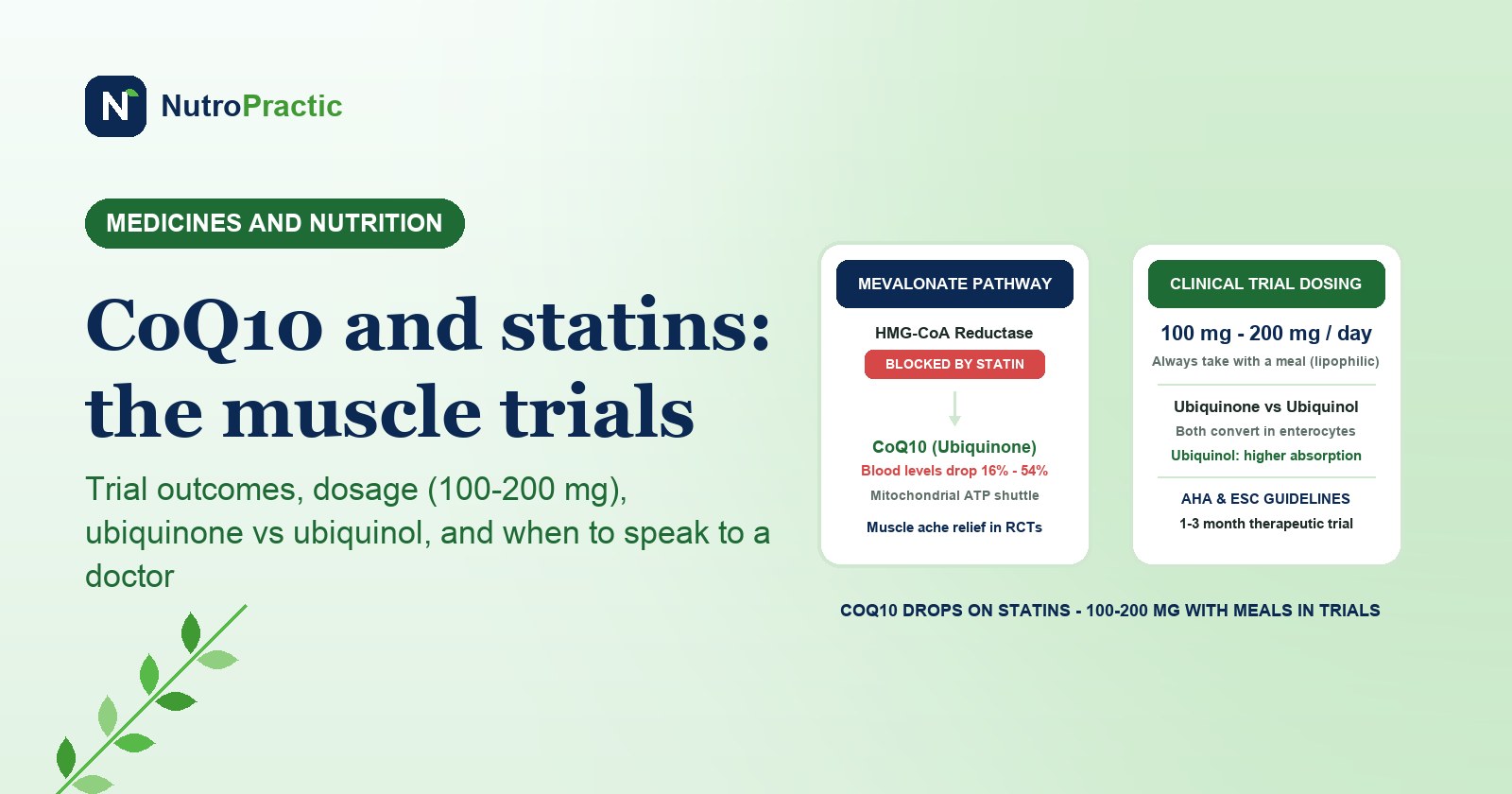
CoQ10 and statins: what the muscle symptom trials found, and who might benefit
Statin-associated muscle symptoms lead up to 30% of patients to discontinue life-saving cholesterol therapy. While statins deplete circulating CoQ10 by 16% to 54%, randomized clinical trials show mixed results for myalgia relief. Explore the trials, ubiquinone vs ubiquinol bioavailability, recommended doses, and clinical guideline recommendations.
14 Nov 2026
Newsfeed for your website
Want this feed on your website?
Add it to any site with one copy-and-paste snippet. No sign-up, and it updates itself every hour.
Start with a virtual consultation
Tell Dr. Triveni what you want to change. You will leave with a clear next step, whether you are in Toronto, London, New York or Chennai.