Food choices · November 14, 2026
Plant-based meat resistance was about identity, taste and access — not awareness alone
A synthesis of 31 qualitative studies found that age, gender, culture, price and access shaped how people talked about plant-based meat. Knowing the environmental or health arguments did not automatically make the products appealing.
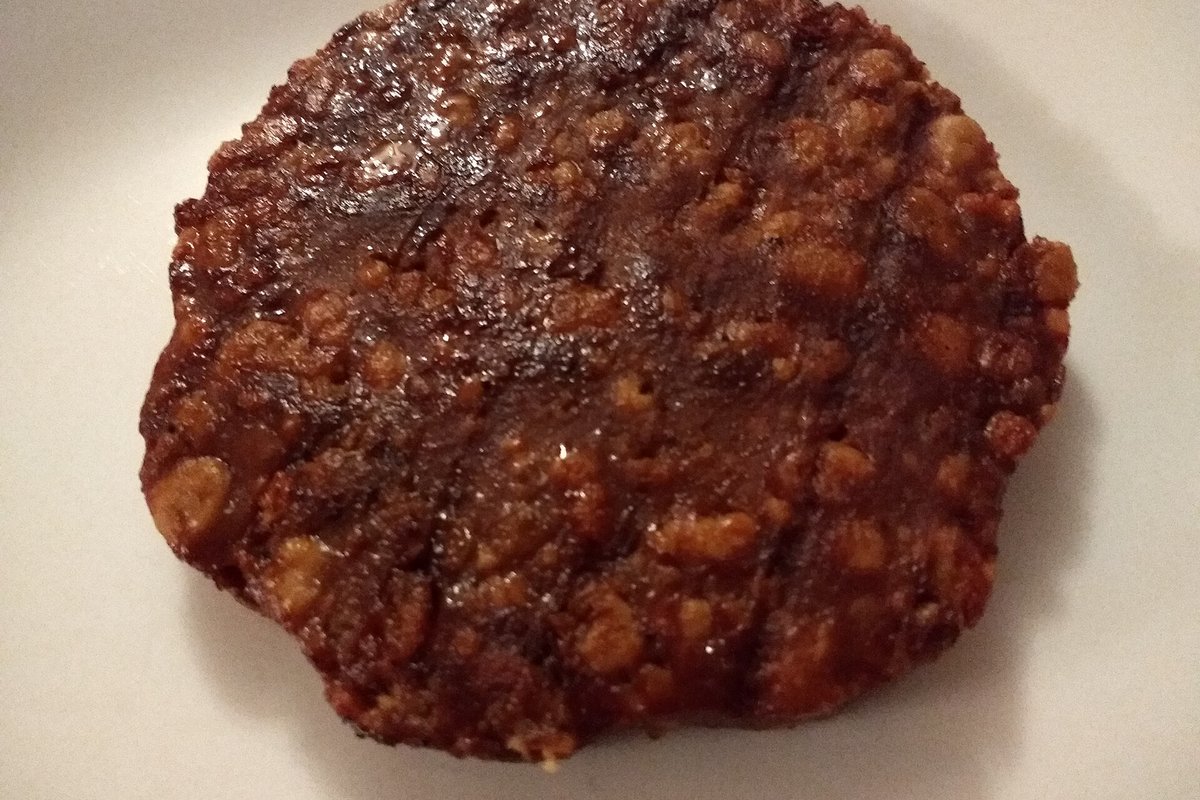
Researchers used a systematic meta-ethnographic approach to combine qualitative evidence about plant-based meat alternatives. The review included 31 studies, 2,425 participants aged from nine to over 65, and 914 participant quotations from the Asia-Pacific, Europe, the United States and the United Kingdom.
Six broad themes emerged around options, ethics, perceptions, openness, preferences and drivers. Younger participants often connected the products with identity and experimentation. Middle-aged adults showed more critical evaluation and resistance. Women more often described awareness and cooking engagement, while some men's reluctance was tied to masculinity.
Context mattered too. Studies in higher-income countries emphasised culinary and cultural narratives, while affordability and access were more prominent in lower- and middle-income settings. This kind of synthesis explains how people reason; it does not measure whether plant-based alternatives improve health or whether every demographic group thinks alike.
Whose views were synthesised
31
qualitative studies
2,425
participants
914
quotations analysed
6
main themes
Qualitative synthesis identifies recurring meanings and barriers rather than estimating prevalence. It cannot tell what percentage of all consumers holds a particular view.
- The review covered participants from childhood through older adulthood rather than treating consumers as one age group.
- Confidence in the themes varied under GRADE-CERQual: some conclusions were supported more strongly than others.
- Plant-based meat alternatives are a product category, not one nutrient profile; ingredients, salt, saturated fat and fortification can differ widely.
- Perceptions and Attitudes Toward Plant-Based Meat Alternatives: A Systematic Meta-Ethnography ReviewNutrition Reviews · Systematic qualitative review, published 4 November 2026; PROSPERO CRD420251114306.
- PubMed record: Perceptions and Attitudes Toward Plant-Based Meat AlternativesUS National Library of Medicine · Structured abstract with study counts, regions, themes and confidence assessment.
This newsfeed item is for general education and does not replace personalised nutrition advice. Check the nutrition label and ingredients when comparing specific meat alternatives.
Analysis by NutroPractic from the sources listed. Written for general readers; it does not replace advice from your own doctor.
From our articles
Read, then eat a little better
Plain-language guides on nutrition and wellness, backed by research.

Women's health
Inositol for PCOS: the 40:1 ratio, trial doses, and food milligrams
Why do randomized trials in polycystic ovary syndrome prioritize the 40:1 myo to D-chiro inositol ratio? Here is the science behind the ovarian epimerase paradox, clinical ovulation and insulin metrics, and why cantaloupe cannot replace 4,000 mg trial powder.
21 Nov 2026

Everyday eating
Extra virgin olive oil polyphenols: the EU health claim, smoke point myths, and cooking stability
Does extra virgin olive oil degrade when cooked? What does the EU 5 mg polyphenol health claim require, how does oleocanthal act like ibuprofen, and why does oxidative stability matter more than smoke point in domestic frying? Here is the clinical and culinary data.
21 Nov 2026

Food and nutrition
L-theanine and caffeine: what cognitive trials measured on sustained attention, and milligrams in matcha vs green tea
Combining L-theanine with caffeine produces clean focus without caffeine jitters. Here is what randomized trials measured on attention-switching, EEG alpha brain waves, and the exact milligrams across ceremonial matcha, culinary powder, gyokuro, and sencha.
20 Nov 2026
Newsfeed for your website
Want this feed on your website?
Add it to any site with one copy-and-paste snippet. No sign-up, and it updates itself every hour.
Start with a virtual consultation
Tell Dr. Triveni what you want to change. You will leave with a clear next step, whether you are in Toronto, London, New York or Chennai.