Food access · November 14, 2026
Food insecurity touched three-quarters of 385 Ghanaian students — anaemia did not follow the same line
A one-campus study measured haemoglobin as well as asking about food access. Food insecurity was widespread at home and on campus, yet the snapshot could not show that it explained who had anaemia.
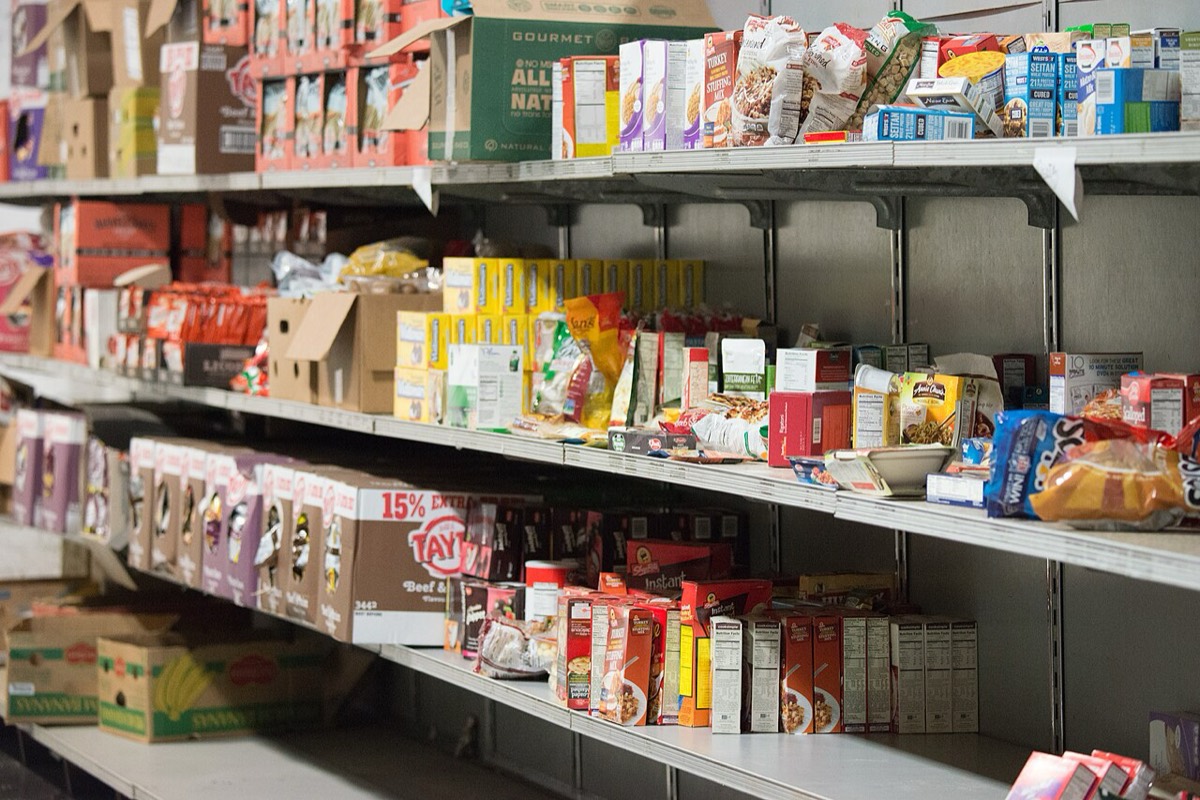
Researchers recruited 385 undergraduate and postgraduate students at one university in Ghana. Validated questionnaires assessed food security at home and on campus, while a portable HemoCue analyser measured haemoglobin rather than relying on self-reported anaemia.
Food insecurity was reported by 78.2% of students on campus and 67.5% at home. Nearly two-thirds — 245 students — experienced it in both settings. Another 14.5% were food secure at home but became food insecure on campus, showing how moving between environments can change access.
Despite that high prevalence, the adjusted analysis did not establish food insecurity as the explanation for anaemia. A single-campus snapshot cannot track diet quality over time, distinguish every cause of low haemoglobin or represent all Ghanaian students. The access problem is important in its own right, without turning it into a claim the data did not prove.
Food access changed with setting
385
students assessed
78.2%
food insecure on campus
67.5%
food insecure at home
63.7%
food insecure in both places
Food insecurity was measured with questionnaires and anaemia with haemoglobin. Cross-sectional data cannot establish which came first or isolate iron intake from other causes of anaemia.
- Fifty-six students were secure at home but reported food insecurity on campus.
- Food insecurity measures reliable access to enough appropriate food; they do not directly measure nutrient intake.
- Anaemia can arise from iron deficiency, other nutrient deficiencies, infection, inflammation, inherited blood conditions and blood loss.
- Food Insecurity and Anaemia Among a Tertiary Student Cohort: A One-Centre Cross-Sectional Study in GhanaAnemia / PubMed Central · Primary open-access study with setting-specific prevalence and measured haemoglobin; published online 1 November 2026.
This newsfeed item is for general education and does not diagnose food insecurity or anaemia. Persistent fatigue, breathlessness or concern about low iron warrants professional assessment.
Analysis by NutroPractic from the sources listed. Written for general readers; it does not replace advice from your own doctor.
From our articles
Our guides on this subject
Plain-language guides on nutrition and wellness, backed by research.
Medicines and nutrition
Oral iron or an infusion? Hepcidin, alternate-day dosing and when IV iron fits
A 60 mg iron dose can raise hepcidin into the next day. Here is what alternate-day trials measured, why more pills are not always more absorption, and the situations where clinicians move to IV iron.
12 Nov 2026
Children's nutrition
Feeding a teenage athlete: energy, iron, calcium and the sports drink question
Teenage athletes are growing and training at the same time, and under-eating (REDs) is found in up to 80% of female and 70% of male athletes in studies. A worked energy example for a 15-year-old footballer, protein and carbohydrate targets, iron and calcium in the growth spurt, when sports drinks help and when they are dessert, and the supplements to skip.
20 Oct 2026
Everyday eating
Eating well on a tight food budget: what the cost studies found, and the cheapest protein and fibre per dollar
Healthier diets cost about $1.48 a person a day more, according to a meta-analysis of 27 studies. What the USDA's Thrifty Food Plan costs in 2026, our price check of protein and fibre per dollar at September 2026 prices, why frozen and tinned vegetables are not second best, and a batch-cooked stew at $1.40 a serving.
20 Oct 2026
Newsfeed for your website
Want this feed on your website?
Add it to any site with one copy-and-paste snippet. No sign-up, and it updates itself every hour.
Start with a virtual consultation
Tell Dr. Triveni what you want to change. You will leave with a clear next step, whether you are in Toronto, London, New York or Chennai.