Newsfeed
Nutrition research, analysed
A new analysis every hour. Each one covers a recent study or report: What was found, the numbers behind it and the sources to check. We write about research from the last two weeks, not the news of the day.
Food labels & added sugar · November 18, 2026
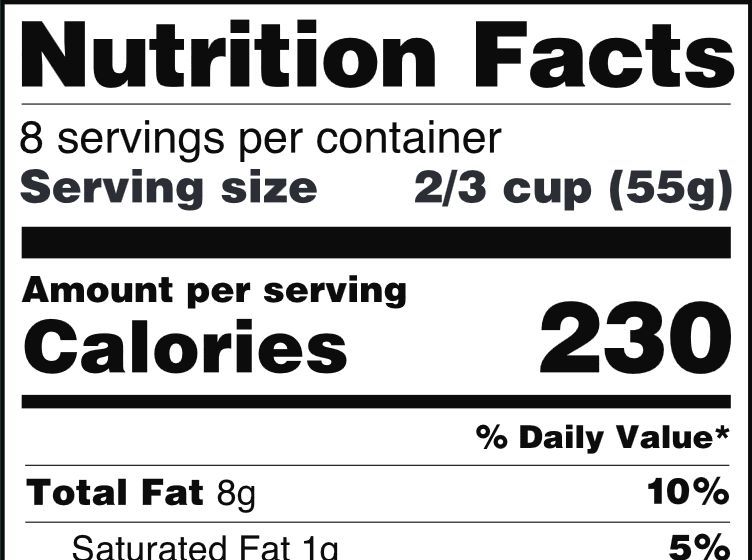
Adults who check food labels eat about 43 g less added sugar a day
A CDC analysis of 9,416 people in NHANES found frequent label readers averaged 61.7 g of added sugar a day versus 104.4 g for those who rarely check.
Read the analysis
Sports nutrition & performance · November 18, 2026
Nine days of heat training did not fix how hot weather blunts carbohydrate use
In 17 cyclists, exercising at 40°C cut the use of ingested carbohydrate by about 27%, and nine days of heat acclimation made no difference.
Read the analysis
Clinical nutrition & chronic illness · November 18, 2026
Total dietary intake tracked with lower frailty in long COVID, but macronutrient ratios showed no magic balance
In a cohort of 290 adults living with long COVID, adequate absolute calorie and fat intake correlated with lower frailty scores, while altering carbohydrate-to-fat ratios showed no consistent symptom benefits.
Read the analysis
Paediatric nutrition & food allergies · November 18, 2026
Avoiding milk, egg or wheat did not broadly drain circulating amino acids in food-allergic children
A pediatric study in 80 children found that medical avoidance of common food allergens did not lead to widespread deficiencies in plasma amino acids, though specific food patterns affected individual markers.
Read the analysis
Sports nutrition & recovery · November 18, 2026
Olive extracts and maslinic acid show hints for muscle soreness, but evidence for workout gains remains thin
A systematic review of 10 clinical trials found that while specific olive triterpenes reduced perceived muscle soreness in some settings, broad athletic performance benefits were not supported.
Read the analysis
Cancer nutrition & diet quality · November 18, 2026
A diet pattern linked to metabolic strain tracked higher prostate cancer mortality in 1,497 men
In a long-term cohort of men with prostate cancer, pre-diagnosis diets high in added sugar, saturated fat, and glycemic load were associated with 38% higher odds of cancer-specific mortality.
Read the analysis
Healthy ageing & longevity · November 18, 2026
Lifestyle changes have not yet proven they turn back biological clocks in randomized trials
A systematic review and meta-analysis of randomized controlled trials found that diet and exercise interventions did not produce statistically significant reductions in epigenetic DNA methylation age.
Read the analysis
Glycaemic control & meal timing · November 17, 2026
What you ate at your last meal shapes your glucose response to the next one
A continuous glucose monitoring study in 55 adults found that higher protein in a previous meal moderated subsequent glucose spikes, while sugar and longer meal gaps amplified them.
Read the analysis
Ageing & nutrition research · November 15, 2026
Intermittent fasting preserved swimming and extended lifespan in killifish—with different muscle responses by sex
The short-lived fish model revealed shared and sex-specific adaptations, but it cannot tell people which fasting schedule is safe or effective.
Read the analysis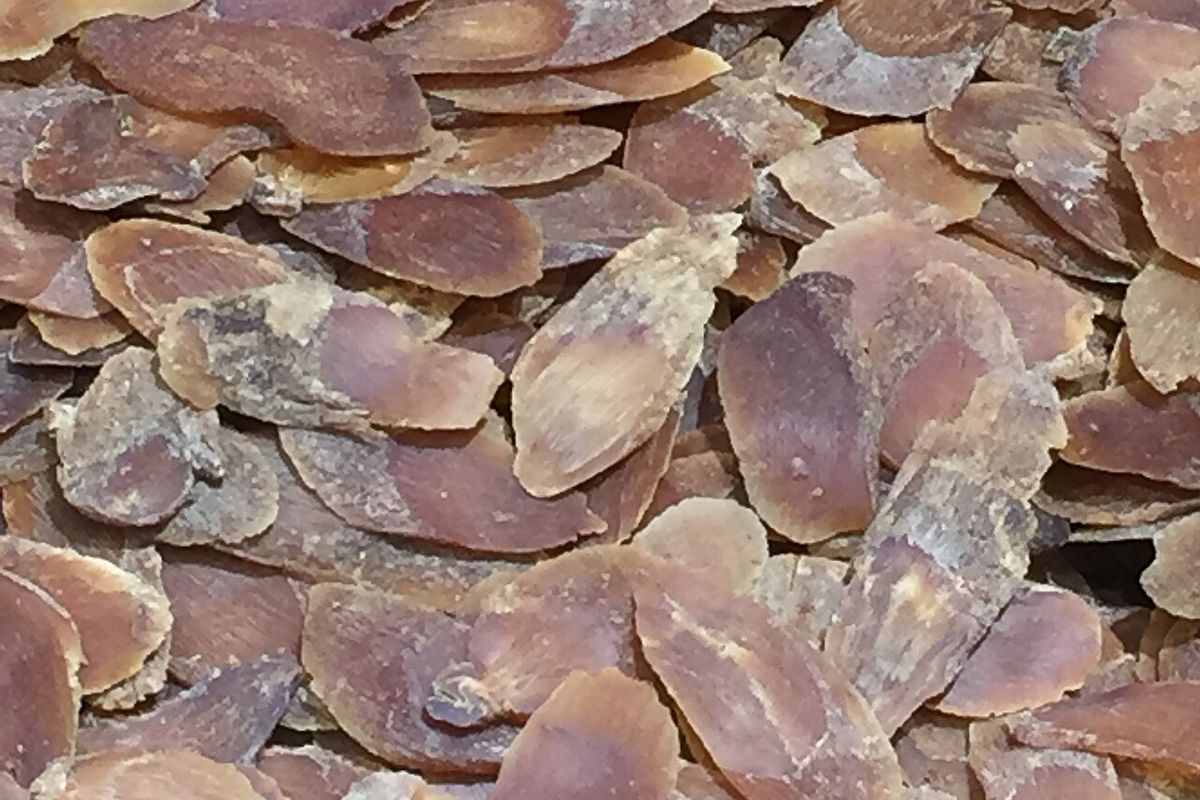
Healthy ageing & supplements · November 15, 2026
Ginseng use tracked with better delayed memory in 160 older adults—not proof it preserved cognition
Ginseng users also had higher serum zinc, but the memory association remained after both were entered into the same model.
Read the analysis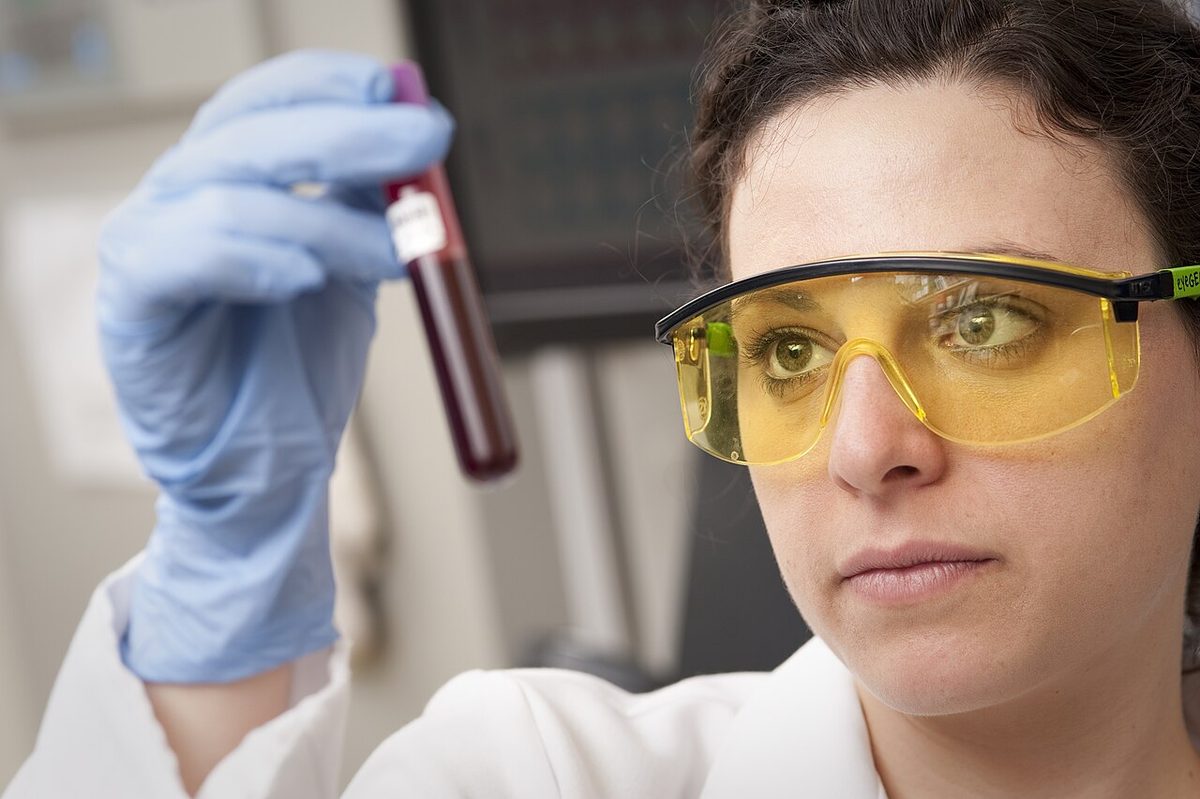
Cancer & microbiome research · November 15, 2026
A gut-bile-acid signal tracked with leukaemia response—but most of the test was in mice and cells
Among 29 people with acute myeloid leukaemia, baseline microbiome and bile-acid patterns were linked to response; experiments then explored one possible pathway.
Read the analysis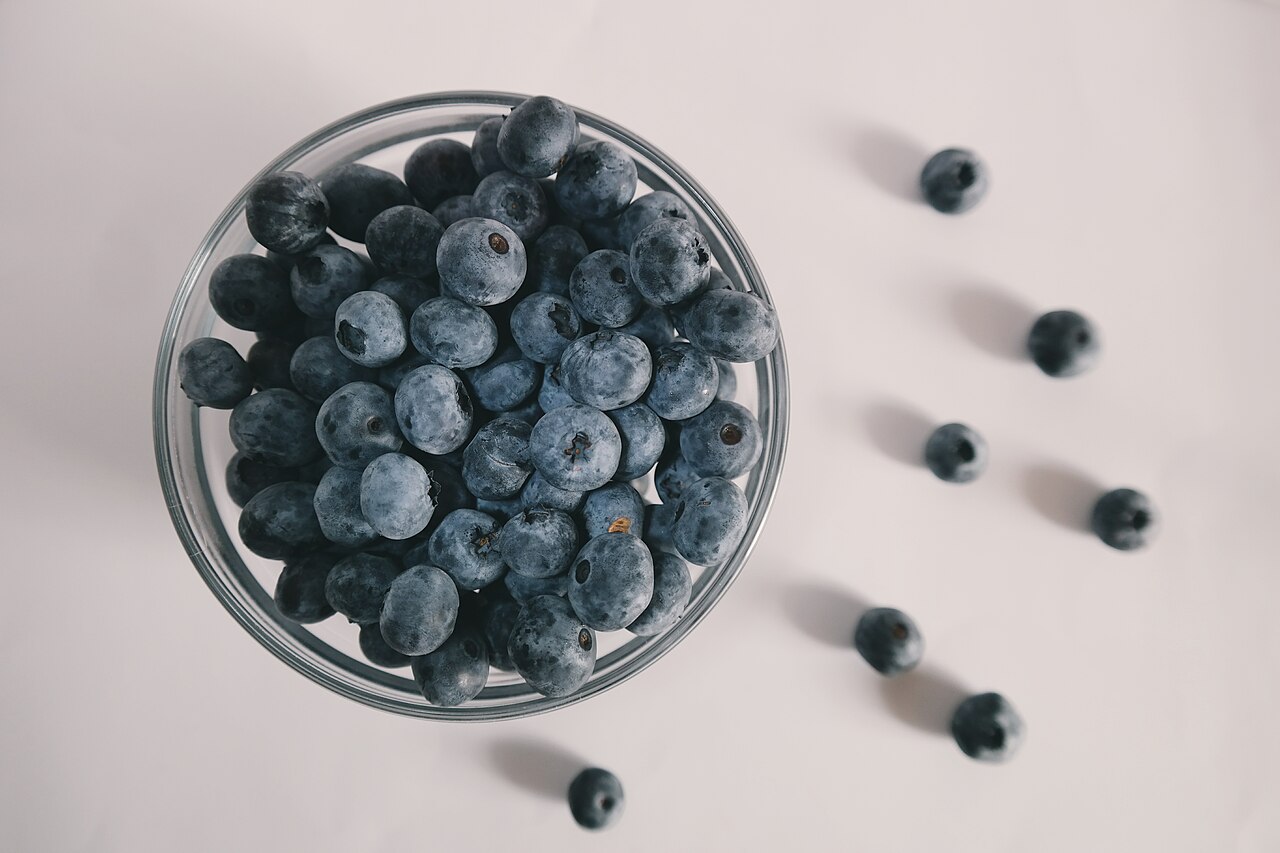
Food compounds & cell biology · November 15, 2026
A blueberry pigment helped at low doses and harmed at a high dose—in isolated cells
Cyanidin-3-O-glucoside produced concentration-specific changes in progenitor Leydig cells, a reminder that antioxidant labels do not predict every biological effect.
Read the analysisFrom our articles
Read, then eat a little better
Plain-language guides on nutrition and wellness, backed by research.

Women's health
Inositol for PCOS: the 40:1 ratio, trial doses, and food milligrams
Why do randomized trials in polycystic ovary syndrome prioritize the 40:1 myo to D-chiro inositol ratio? Here is the science behind the ovarian epimerase paradox, clinical ovulation and insulin metrics, and why cantaloupe cannot replace 4,000 mg trial powder.
21 Nov 2026

Everyday eating
Extra virgin olive oil polyphenols: the EU health claim, smoke point myths, and cooking stability
Does extra virgin olive oil degrade when cooked? What does the EU 5 mg polyphenol health claim require, how does oleocanthal act like ibuprofen, and why does oxidative stability matter more than smoke point in domestic frying? Here is the clinical and culinary data.
21 Nov 2026

Food and nutrition
L-theanine and caffeine: what cognitive trials measured on sustained attention, and milligrams in matcha vs green tea
Combining L-theanine with caffeine produces clean focus without caffeine jitters. Here is what randomized trials measured on attention-switching, EEG alpha brain waves, and the exact milligrams across ceremonial matcha, culinary powder, gyokuro, and sencha.
20 Nov 2026
Start with a virtual consultation
Tell Dr. Triveni what you want to change. You will leave with a clear next step, whether you are in Toronto, London, New York or Chennai.