Sports nutrition & recovery · November 18, 2026
Olive extracts and maslinic acid show hints for muscle soreness, but evidence for workout gains remains thin
A systematic review of 10 clinical trials found that while specific olive triterpenes reduced perceived muscle soreness in some settings, broad athletic performance benefits were not supported.
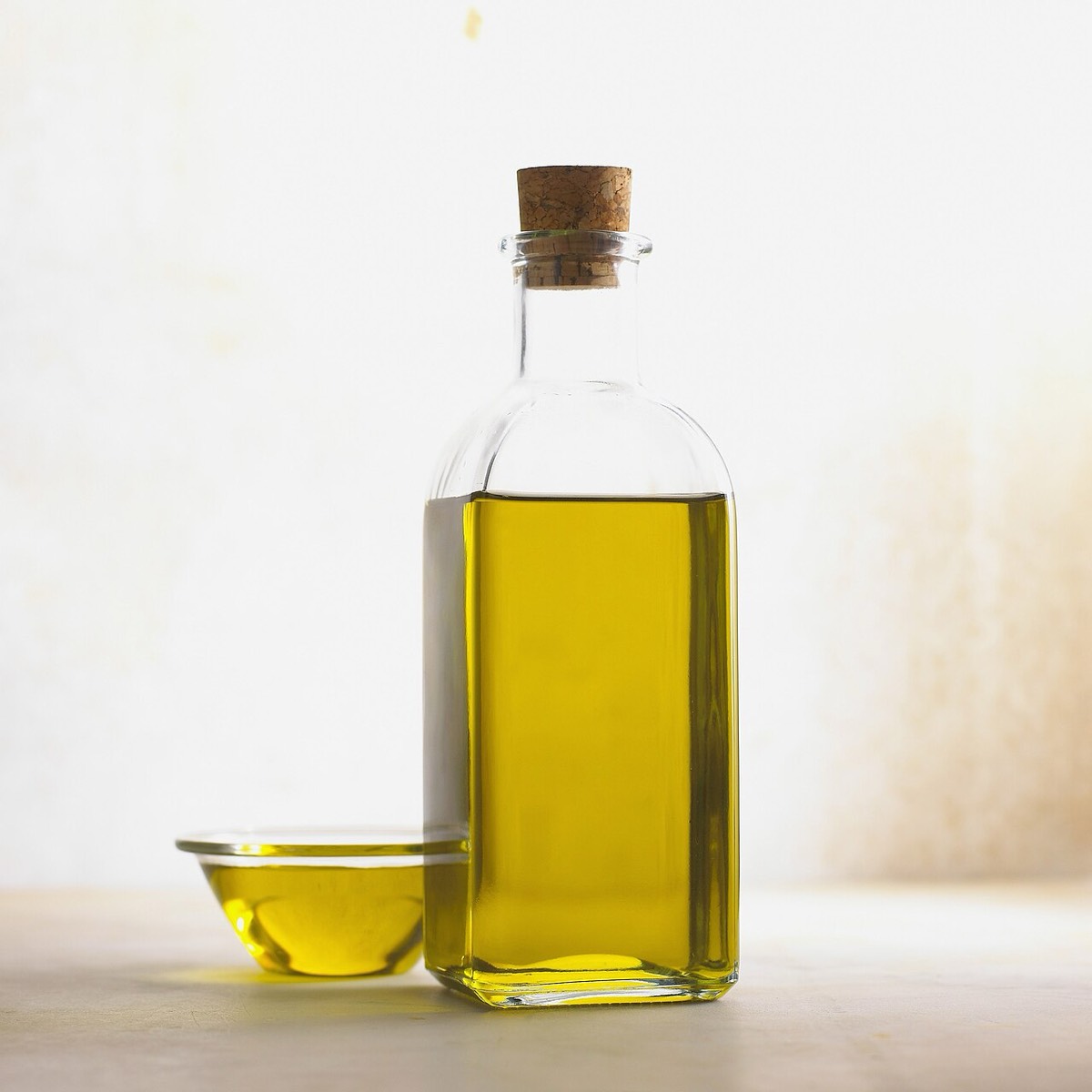
Bioactive compounds from olives—ranging from polyphenol-rich extra virgin olive oil to olive leaf extracts and triterpenes—have sparked substantial interest in sports nutrition. Marketers frequently promote them for speeding recovery, mitigating muscle damage, and enhancing endurance. A comprehensive systematic review in Nutrients critically evaluated the human trial evidence.
Investigators screened clinical trial registries and biomedical databases through September 2026, identifying 11 reports representing 10 independent randomized controlled trials in humans. These trials evaluated chemically distinct formulations: extra virgin olive oil, hydroxytyrosol-rich water extracts, oleuropein-standardized leaf extracts, and maslinic acid.
The clinical evidence was markedly mixed. Maslinic acid supplementation was associated with modest reductions in subjective muscle fatigue and delayed-onset soreness in specific eccentric exercise protocols, and selected trials in older adults reported small differences in functional muscle measures. However, trials evaluating objective endurance capacity, maximal power output, and aerobic performance found no consistent benefits.
The authors concluded that olive-derived supplements cannot be classified as general ergogenic aids. Differences in bioactive chemical structures, dosing schedules, and participant training status mean results from one olive compound cannot be generalized to another. High-quality extra virgin olive oil remains a cornerstone of culinary health, but specialized athletic claims require much more rigorous verification.
Randomized controlled trials of olive-derived sports supplements
10
Independent randomized controlled human trials evaluated
4
Distinct olive preparations tested across studies
2
Trials rated as low risk of bias using the Cochrane RoB 2 tool
0
Consistent improvements observed in objective athletic performance
Systematic review without meta-analysis due to substantial heterogeneity in chemical formulations, protocols, and endpoints.
- Olives produce distinct phytochemical classes: secoiridoids like oleuropein, simple phenols like hydroxytyrosol, and pentacyclic triterpenes like maslinic acid.
- Maslinic acid is primarily concentrated in the protective waxy skin of olive fruit rather than in refined culinary oil.
- Eight of the 10 included trials raised 'some concerns' regarding risk of bias under Cochrane evaluation standards.
- Culinary extra virgin olive oil provides oleic acid and polyphenols, but in doses different from concentrated clinical extracts.
- Olive-Derived Nutritional Interventions in Exercise: Effects on Performance, Fatigue, Recovery, and Muscle Adaptation—A Systematic ReviewNutrients / PubMed · Comprehensive systematic review of 10 independent RCTs. Published 7 November 2026.
- Bottle of olive oilWikimedia Commons · Photo by margenauer via Pixabay and Wikimedia Commons, CC0 public domain dedication.
Educational review of sports nutrition research. Dietary supplements should not replace well-balanced sports fueling, adequate hydration, and progressive recovery protocols.
Analysis by NutroPractic from the sources listed. Written for general readers; it does not replace advice from your own doctor.
From our articles
Our guides on this subject
Plain-language guides on nutrition and wellness, backed by research.

Healthy ageing
Creatine beyond the gym: what it does for older adults and women, and what it doesn't
Across 22 trials, adults in their late fifties to seventies who took creatine while doing resistance training gained about 1.4 kg more lean mass than those who trained without it. Two two-year trials found it did nothing for bone density after menopause. Where the evidence is solid, where it's early (memory, short nights), how much to take, and who should leave it alone.
10 Oct 2026
Women's health
Eating through menopause: what changes for your bones, muscle and heart, and what to put on the plate
Around the final period, bone density at the spine drops by about 2% a year and LDL cholesterol jumps within a year or two. Hot flushes get the attention, but these quieter changes are where food and strength training do the most. Targets for protein, calcium and vitamin D, an honest look at soy, and a week you can start on Monday.
8 Oct 2026

Medicines and nutrition
CoQ10 and statins: what the muscle symptom trials found, and who might benefit
Statin-associated muscle symptoms lead up to 30% of patients to discontinue life-saving cholesterol therapy. While statins deplete circulating CoQ10 by 16% to 54%, randomized clinical trials show mixed results for myalgia relief. Explore the trials, ubiquinone vs ubiquinol bioavailability, recommended doses, and clinical guideline recommendations.
14 Nov 2026
Newsfeed for your website
Want this feed on your website?
Add it to any site with one copy-and-paste snippet. No sign-up, and it updates itself every hour.
Start with a virtual consultation
Tell Dr. Triveni what you want to change. You will leave with a clear next step, whether you are in Toronto, London, New York or Chennai.