Cancer & microbiome research · November 15, 2026
A gut-bile-acid signal tracked with leukaemia response—but most of the test was in mice and cells
Among 29 people with acute myeloid leukaemia, baseline microbiome and bile-acid patterns were linked to response; experiments then explored one possible pathway.
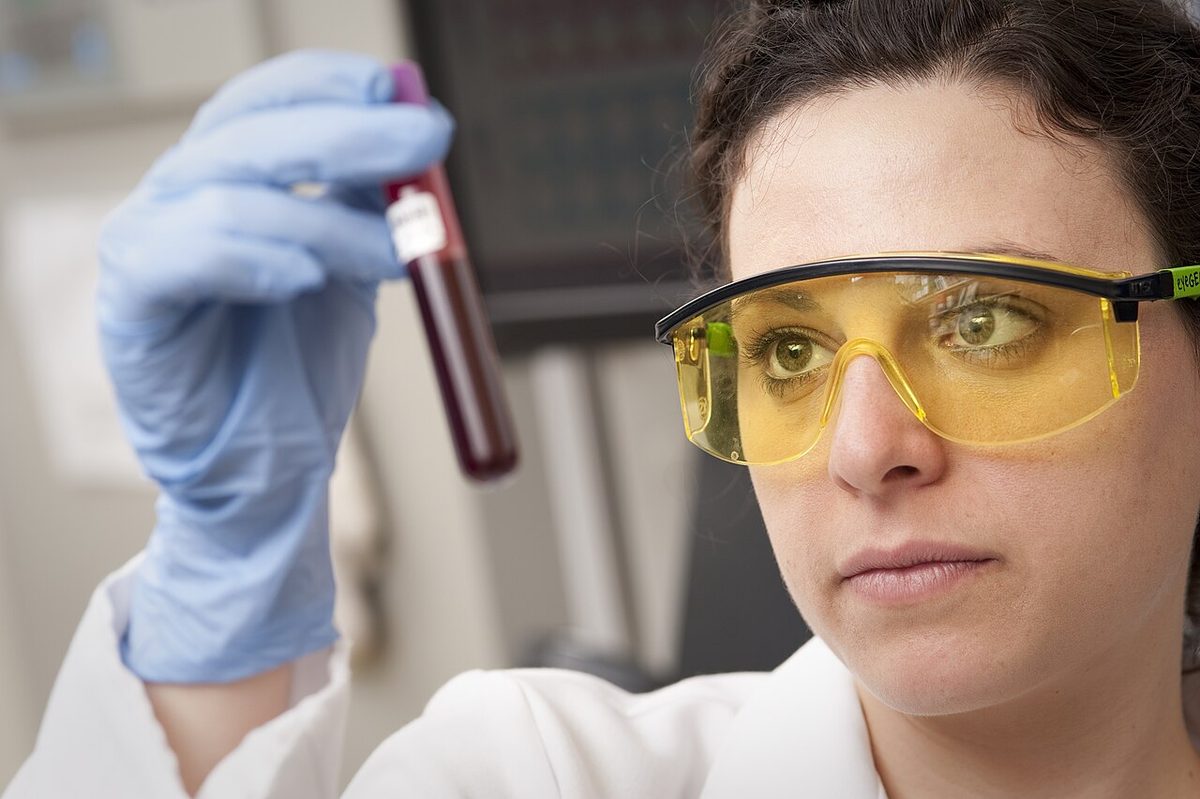
The gut microbiome transforms bile acids, creating molecules that can signal well beyond digestion. Researchers asked whether one such pathway might be related to treatment response in acute myeloid leukaemia, or AML.
They profiled gut bacteria and metabolites in samples from 29 patients. Microbial diversity shifted during treatment and later recovered. More Enterococcus at baseline correlated with clinical response, while higher baseline serum hyodeoxycholic acid, or HDCA, was associated with greater microbial diversity and complete remission.
The team then moved to experiments. Transferring Enterococcus faecalis into mice reduced leukaemia burden and raised bile acids including HDCA. In cells, HDCA suppressed AML-cell growth, promoted apoptosis and altered NF-kB signalling, mitochondria and the cell cycle. Mouse HDCA treatment delayed progression and improved survival.
The human part was small and observational, while the apparent anti-leukaemia effects came from models. It does not show that a probiotic, faecal transplant, bile-acid product or diet treats AML. In people receiving chemotherapy, microbiome interventions can also carry infection and interaction risks.
Human association followed by model experiments
29
Patients in microbiome and metabolite analysis
E. faecalis
Bacterium tested in transfer experiments
HDCA
Bile acid tested in cells and mice
Preclinical
Evidence for anti-leukaemia action
Translational study combining a small patient association with cell and mouse experiments. Association with remission does not establish cause.
- Bile acids help digest fats and also act as signalling molecules.
- Enterococcus can be part of the human gut community, but some strains can cause serious infections in vulnerable patients.
- Faecal microbiota transplantation is a regulated medical procedure, not a home treatment.
- Complete remission means no detectable evidence by defined clinical criteria; it does not necessarily mean cure.
- Gut microbiota modulates hyodeoxycholic acid to inhibit leukemia developmentClinical Science / PubMed · Primary translational study with 29-patient profiling and E. faecalis/HDCA experiments. Issue publication 11 November 2026.
- Checking Blood SampleWikimedia Commons · National Eye Institute, CC BY 2.0.
General information, not medical advice. People with leukaemia should not use probiotics, microbiome procedures or supplements unless their oncology team specifically approves them.
Analysis by NutroPractic from the sources listed. Written for general readers; it does not replace advice from your own doctor.
From our articles
Our guides on this subject
Plain-language guides on nutrition and wellness, backed by research.
Gut health
Probiotic capsules: which ones have trial evidence, what they can do, and when to skip them
Children on antibiotics: 8% got diarrhoea with a probiotic, 19% without. Older hospital patients: 10.8% with, 10.4% without. Which capsules have evidence, what three guidelines say about IBS, what a course costs per case prevented, and who shouldn't take them.
2 Nov 2026
Gut health
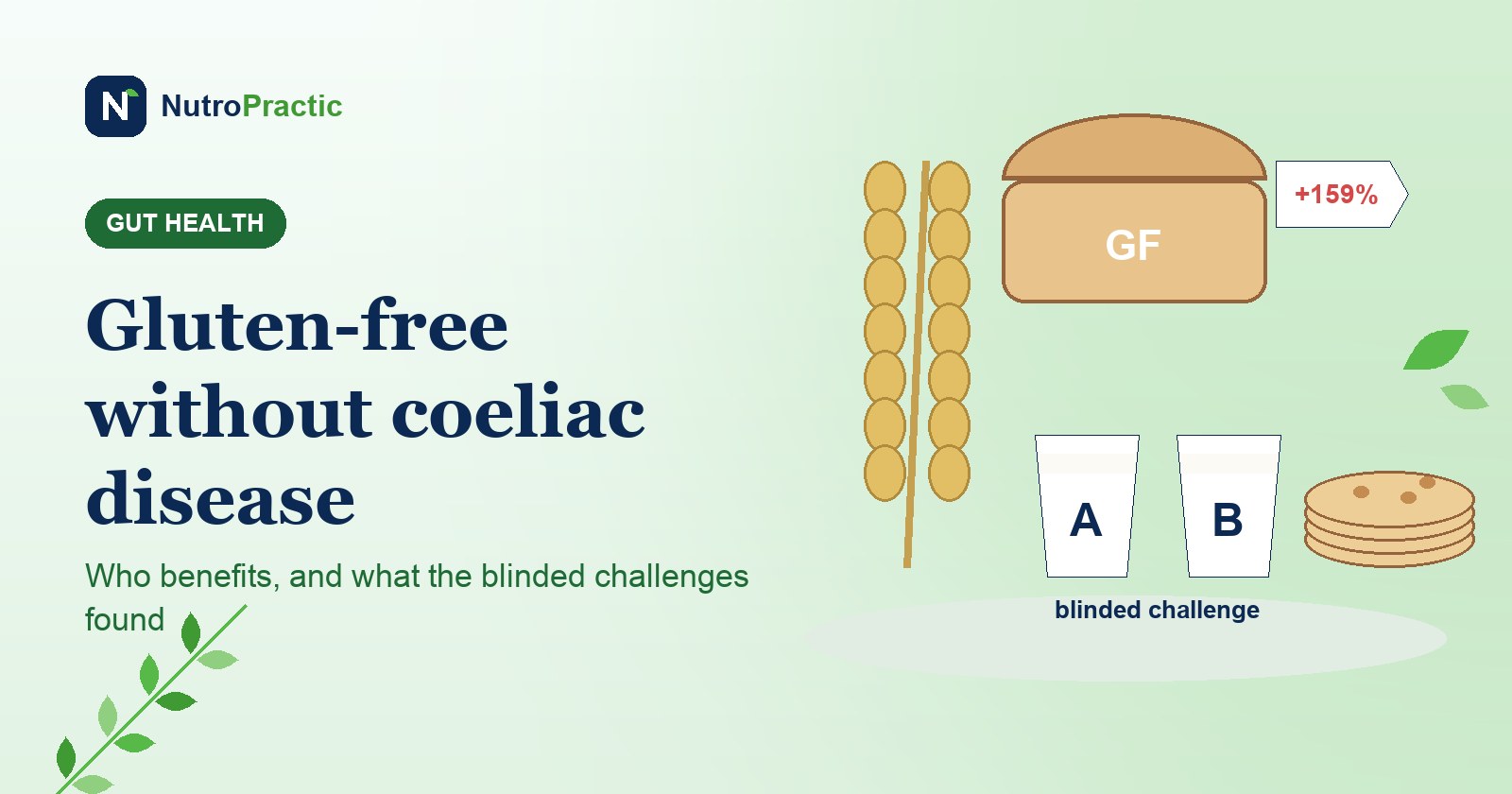
Gluten-free without coeliac disease: who actually benefits, and what the blinded gluten challenges found
In blinded trials only 16% of people who said gluten made them ill reacted to gluten rather than placebo, and in Oslo fructans caused more bloating than gluten. Who really needs to avoid it, how to get tested before you stop, how much gluten is in a slice of bread or a roti, and what gluten-free food costs (159% more in the UK) and lacks.
1 Nov 2026
Gut health
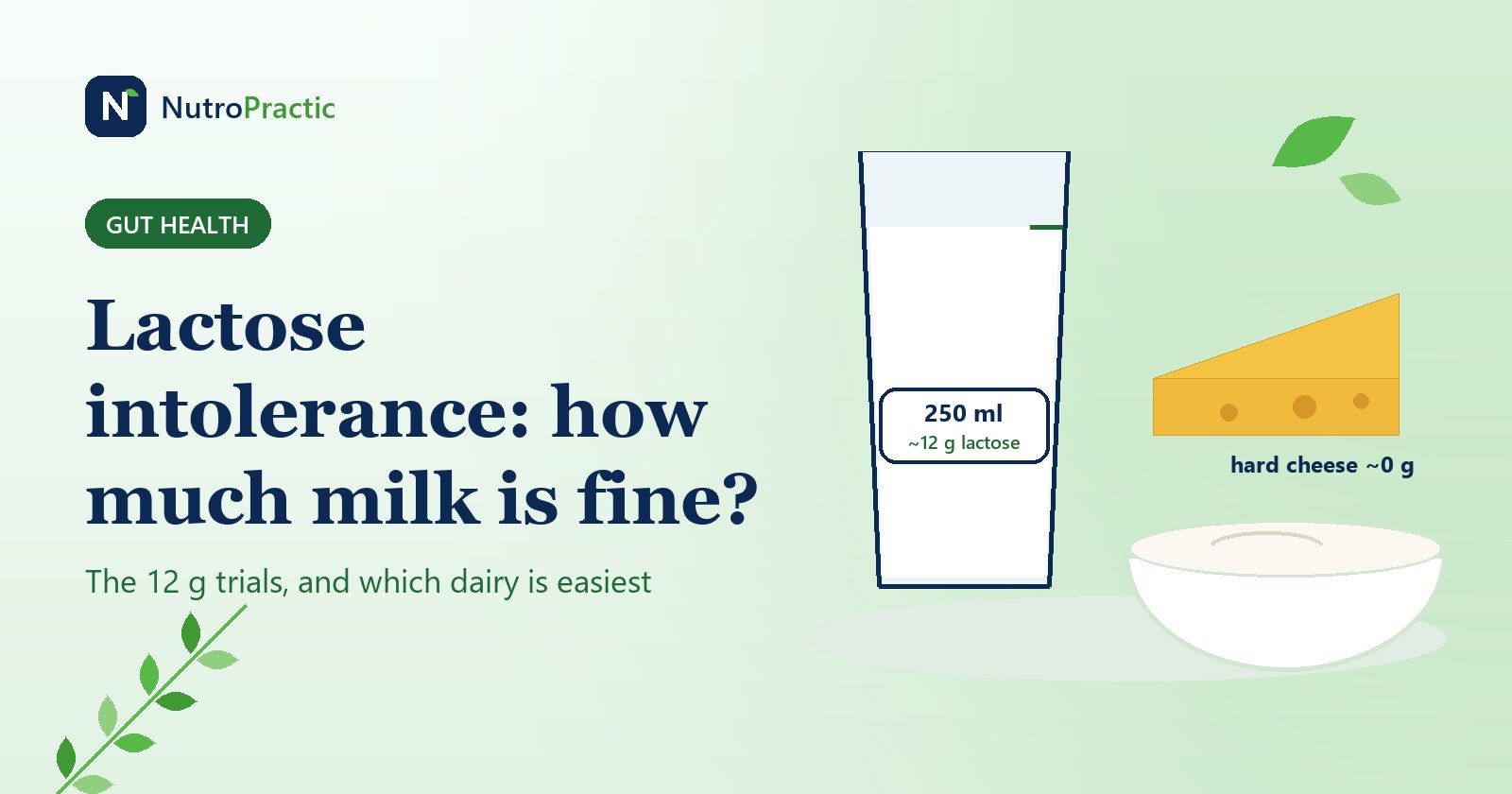
Lactose intolerance: how much milk most people can actually tolerate, and which dairy is easiest
Most adults who don't digest lactose well still handle about 12 g at once, roughly a 250 ml glass of milk, in blinded trials. What the 12 g studies found, a lactose table for milk, yoghurt, cheese, chai and dahi, how lactase tablets and A2 milk compare, why the famous 68% figure was retracted, and how to keep calcium up if you cut back.
25 Oct 2026
Newsfeed for your website
Want this feed on your website?
Add it to any site with one copy-and-paste snippet. No sign-up, and it updates itself every hour.
Start with a virtual consultation
Tell Dr. Triveni what you want to change. You will leave with a clear next step, whether you are in Toronto, London, New York or Chennai.