Cancer nutrition & diet quality · November 18, 2026
A diet pattern linked to metabolic strain tracked higher prostate cancer mortality in 1,497 men
In a long-term cohort of men with prostate cancer, pre-diagnosis diets high in added sugar, saturated fat, and glycemic load were associated with 38% higher odds of cancer-specific mortality.
Metabolic dysfunction and insulin resistance have frequently been implicated in prostate cancer biology, but whether dietary habits before diagnosis influence disease-specific death has been difficult to tease apart from overall mortality risk. A prospective analysis from the North Carolina-Louisiana Prostate Cancer Project (PCaP) offers new insights.
Researchers evaluated 1,497 men newly diagnosed with prostate cancer, following them for mortality outcomes. Dietary data gathered at enrollment were scored using a standardized metabolic health-related dietary (MHD) index: positive points for added sugars, high glycemic load, saturated fat, and sodium, and negative points for dietary fiber, vegetables, fruits, and whole grains.
During follow-up, 95 men died from prostate cancer and 311 died from other causes. After adjusting for age, clinical stage, smoking, and socioeconomic factors, a higher MHD index—reflecting a less favorable metabolic diet—was significantly associated with increased odds of prostate cancer-specific death (adjusted odds ratio 1.38; 95% CI: 1.10 to 1.73).
Interestingly, this unfavorable dietary index was not significantly associated with non-prostate cancer deaths (aOR 1.03; 95% CI: 0.89 to 1.19). While the association attenuated when further adjusting for body mass index and tumor grade, the authors conclude that overall metabolic dietary patterns may play a specific role in tumor aggressiveness and progression.
Metabolic dietary index and mortality in prostate cancer
1,497
Men with prostate cancer enrolled in the PCaP cohort
95
Prostate cancer-specific deaths during follow-up
1.38
Adjusted odds ratio for prostate cancer death per unit increase in diet index
1.03
Adjusted odds ratio for non-prostate cancer death (statistically non-significant)
Multinomial logistic regression adjusting for demographic, clinical, and lifestyle factors. Observational cohort design cannot confirm causality.
- The PCaP study is a population-based cohort established to investigate racial disparities and environmental contributors in prostate cancer outcomes.
- The metabolic health-related dietary index combines eight key dietary components that heavily influence systemic glucose regulation and lipid metabolism.
- Men with clinically aggressive prostate cancer at diagnosis had significantly higher average baseline MHD diet scores than those with low-grade disease.
- Dietary adjustments cannot substitute for oncology treatments but may complement standard therapeutic regimens.
- Pre-Diagnosis Metabolic Health-Related Dietary Index and Prostate Cancer-Specific MortalityNutrients / PubMed · Primary cohort analysis from the North Carolina-Louisiana Prostate Cancer Project. Published 8 November 2026.
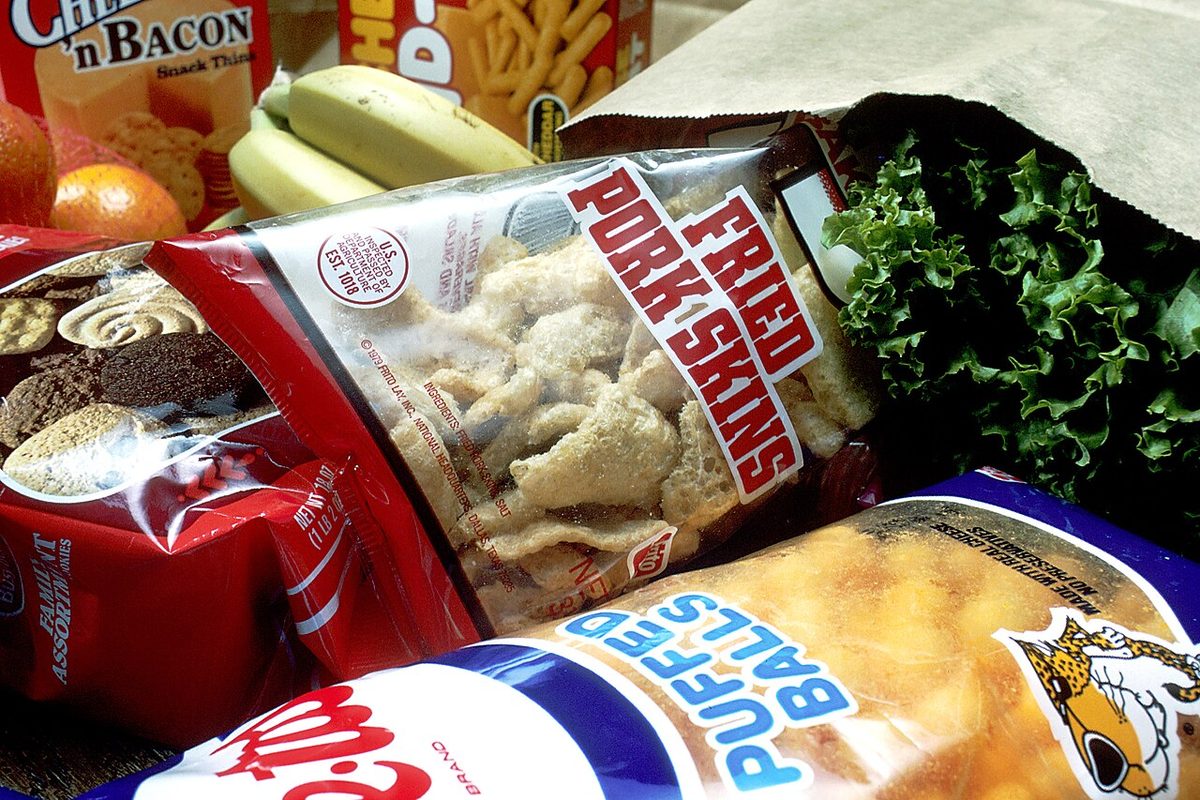
- Grocery bag of junk foodsWikimedia Commons · Bill Branson, US National Cancer Institute, public domain image.
General nutritional information for health education. Cancer patients should discuss dietary strategies directly with their oncology care team and registered dietitians.
Analysis by NutroPractic from the sources listed. Written for general readers; it does not replace advice from your own doctor.
From our articles
Our guides on this subject
Plain-language guides on nutrition and wellness, backed by research.

Nutrition science
Sweeteners after the WHO advice: aspartame, stevia, erythritol and what the 2023 decisions meant
In 2023 the WHO advised against using sweeteners to control weight, and its cancer agency called aspartame 'possibly carcinogenic' a few weeks later. Neither means your diet drink is dangerous, and neither means it helps. What the reviews found, how much is allowed, why erythritol is the one to watch, and what to do if you have diabetes or simply want less sugar.
18 Oct 2026

Cardiovascular wellness
Psyllium husk: how much soluble fibre lowers LDL cholesterol and stabilizes post-meal glucose in clinical trials
Viscous soluble fibre forms a thick gel matrix in the small intestine that binds bile acids and blunts post-meal glucose spikes. Across dozens of randomized controlled trials, 7 to 10.2 grams of psyllium daily lowers LDL cholesterol by 6% to 12% without stripping HDL, while reducing postprandial glucose surges by 15% to 25% in metabolic syndrome and type 2 diabetes. Discover the bile acid sequestration mechanism, trial meta-analyses, exact timing before meals, water ratios, and titration protocols to avoid gas and cramping.
13 Nov 2026

Women's health
Inositol for PCOS: the 40:1 ratio, trial doses, and food milligrams
Why do randomized trials in polycystic ovary syndrome prioritize the 40:1 myo to D-chiro inositol ratio? Here is the science behind the ovarian epimerase paradox, clinical ovulation and insulin metrics, and why cantaloupe cannot replace 4,000 mg trial powder.
21 Nov 2026
Newsfeed for your website
Want this feed on your website?
Add it to any site with one copy-and-paste snippet. No sign-up, and it updates itself every hour.
Start with a virtual consultation
Tell Dr. Triveni what you want to change. You will leave with a clear next step, whether you are in Toronto, London, New York or Chennai.