Healthy ageing & supplements · November 15, 2026
Ginseng use tracked with better delayed memory in 160 older adults—not proof it preserved cognition
Ginseng users also had higher serum zinc, but the memory association remained after both were entered into the same model.
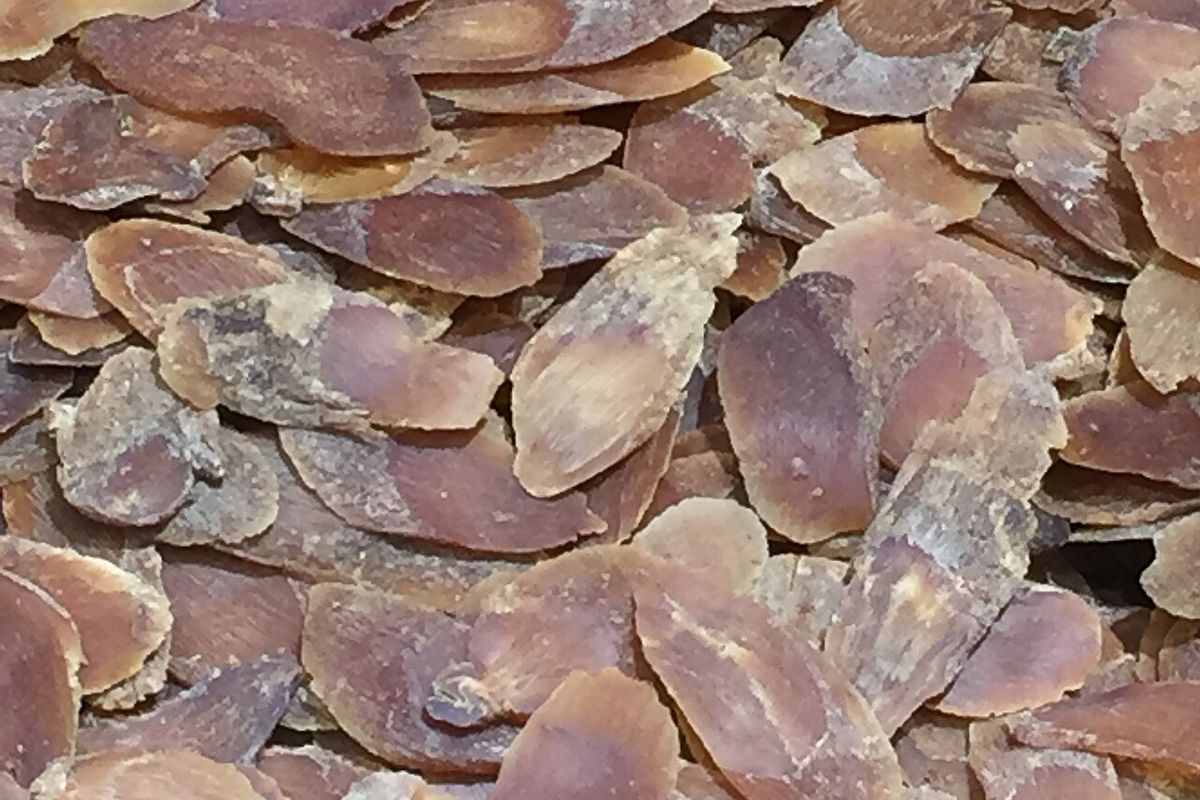
Ginseng and zinc have both been investigated in cognitive ageing, but it is hard to tell whether either is a marker of broader health habits. A Korean study examined them together in 160 community-dwelling older adults.
Researchers asked about ginseng intake in structured interviews, measured serum zinc and tested delayed episodic memory and non-memory cognition with a standard neuropsychological battery.
Ginseng intake was associated with higher serum zinc and better delayed memory. Serum zinc was also linked with memory when analysed separately. When ginseng and zinc entered the same model, the ginseng association remained while the zinc association weakened.
The design was cross-sectional: exposure and cognition were measured at the same period. It cannot show that ginseng improved memory, rule out differences between users and non-users, or establish a useful dose. The result is a reason for prospective study, not a supplement prescription.
What the cross-sectional study measured
160
Community-dwelling older adults
P = 0.002
Ginseng intake and higher serum zinc
P = 0.005
Ginseng intake and delayed memory
P = 0.017
Ginseng-memory association with zinc in the model
Cross-sectional observational study. P values indicate compatibility with no association under the model, not the size or clinical importance of an effect.
- Delayed episodic memory tests recall of information after a time gap and can be sensitive to early cognitive change.
- A blood zinc value can be influenced by inflammation, recent intake and other health factors.
- Ginseng products vary by species, preparation and dose.
- Ginseng can interact with medicines, including some anticoagulants and diabetes treatments.
- Association of ginseng intake and serum zinc with Alzheimer's disease-related cognitionJournal of Ginseng Research / PubMed · Primary cross-sectional study with sample size, exposure, zinc and cognitive associations. November 2026 issue.
- Red ginseng slicesWikimedia Commons · Fumikas Sagisavas, CC0.
General information, not medical advice. Discuss ginseng or zinc supplements with a clinician or pharmacist, particularly if you take prescription medicines or have memory concerns.
Analysis by NutroPractic from the sources listed. Written for general readers; it does not replace advice from your own doctor.
From our articles
Our guides on this subject
Plain-language guides on nutrition and wellness, backed by research.

Women's wellness and nutrition
Creatine for women: cognitive performance, menstrual cycle phases, and bone density beyond muscle building
Creatine is widely stereotyped as a bodybuilding supplement for men, but female physiology tells a very different story. Women exhibit 70% to 80% lower endogenous creatine stores, reduced dietary intake, and cyclical fluctuations in brain creatine kinase across the follicular and luteal phases. Robust clinical trials demonstrate that 3 to 5 grams of daily creatine monohydrate enhances cognitive performance during sleep deprivation, augments clinical response in unipolar depression, preserves femoral neck bone geometry in postmenopausal women, and causes cellular intracellular hydration rather than subcutaneous bloating.
13 Nov 2026
Healthy ageing
Creatine beyond the gym: what it does for older adults and women, and what it doesn't
Across 22 trials, adults in their late fifties to seventies who took creatine while doing resistance training gained about 1.4 kg more lean mass than those who trained without it. Two two-year trials found it did nothing for bone density after menopause. Where the evidence is solid, where it's early (memory, short nights), how much to take, and who should leave it alone.
10 Oct 2026
Women's health
Eating through menopause: what changes for your bones, muscle and heart, and what to put on the plate
Around the final period, bone density at the spine drops by about 2% a year and LDL cholesterol jumps within a year or two. Hot flushes get the attention, but these quieter changes are where food and strength training do the most. Targets for protein, calcium and vitamin D, an honest look at soy, and a week you can start on Monday.
8 Oct 2026
Newsfeed for your website
Want this feed on your website?
Add it to any site with one copy-and-paste snippet. No sign-up, and it updates itself every hour.
Start with a virtual consultation
Tell Dr. Triveni what you want to change. You will leave with a clear next step, whether you are in Toronto, London, New York or Chennai.