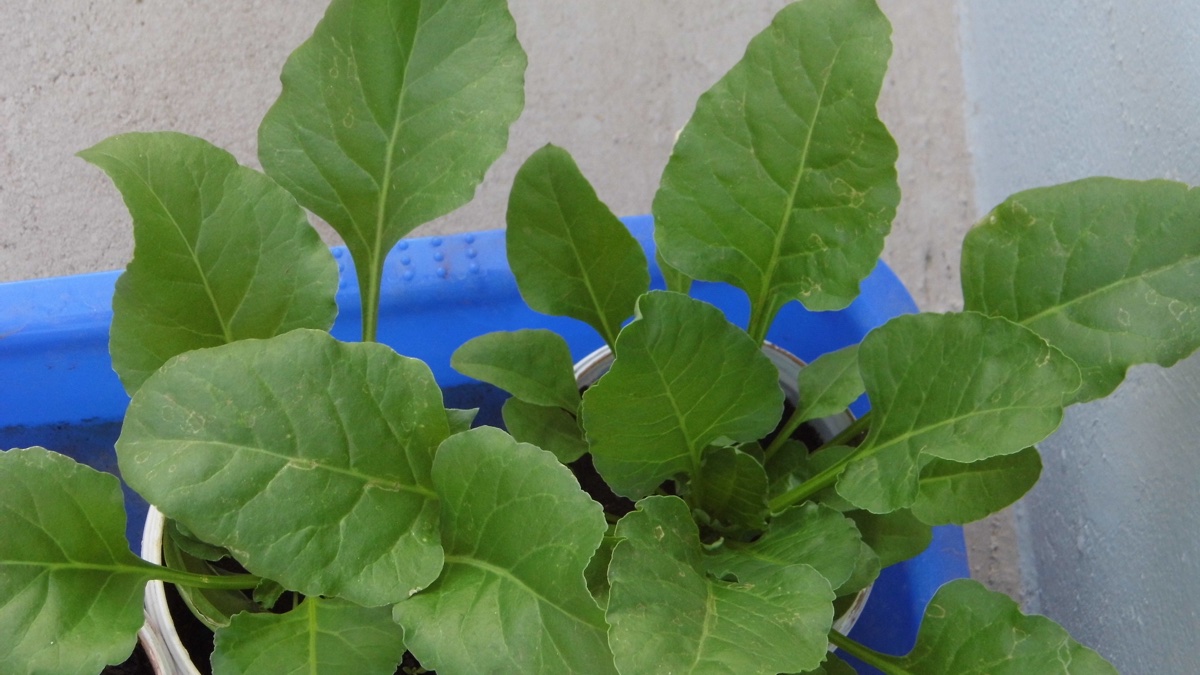
Over the past five years, Ashwagandha (Withania somnifera) has transitioned from a traditional Ayurvedic root into one of the most commercially successful dietary supplements in North America and Europe. Packaged into teas, tinctures, and sleep gummies, it is celebrated as an adaptogenic cure-all for chronic work stress, nervous exhaustion, and stubborn insomnia.
Unlike many botanical supplements that rely solely on folklore, Ashwagandha boasts a substantial body of modern double-blind, placebo-controlled human trials. High-potency standardized extracts consistently produce statistically significant drops in circulating stress hormones and measurable gains in sleep architecture. If you are also working on lifestyle sleep habits and nighttime nutrition, explore our clinical guides on food and sleep trials and what magnesium supplements actually do for sleep and cramps.
Yet this rapid global adoption has triggered a parallel wave of clinical concern. Between 2023 and 2026, European public health agencies issued formal safety alerts and product bans following documented cases of herb-induced liver injury (HILI) and severe cholestatic jaundice. To use this potent herb safely—or decide if it should be avoided entirely—readers must separate proven hormonal benefits from emerging toxicological realities.
The active chemistry: Withanolides and alkaloids
The pharmacological activity of Ashwagandha root and leaf derives primarily from a family of naturally occurring steroidal lactones known as withanolides (most prominently withaferin A, withanolide A, and withanolide D), along with withanosides and alkaloids (such as somniferine).
These bioactive compounds influence human neuroendocrinology through two key physiological mechanisms:
• HPA axis modulation: In response to physical or psychological stress, the hypothalamic-pituitary-adrenal (HPA) axis releases adrenocorticotropic hormone (ACTH), driving the adrenal cortex to pump out cortisol. Withanolides exert a stabilizing, inhibitory effect on hyperactive HPA signaling, dampening excessive cortisol surges.
• GABAergic and somnogenic actions: Withanolides act as positive allosteric modulators of GABA_A receptors in the central nervous system, mimicking the calming inhibitory tone of gamma-aminobutyric acid without causing the addictive receptor down-regulation seen with pharmaceutical benzodiazepines. Furthermore, a natural constituent in the leaves—triethylene glycol (TEG)—potently induces non-rapid eye movement (NREM) sleep.
Stress and cortisol: What the randomised trials measured
Multiple double-blind, placebo-controlled clinical trials have evaluated standardized Ashwagandha root extracts in chronically stressed adults. Rather than relying on vague feelings of wellness, these studies tracked validated psychological scoring instruments and objective salivary or serum hormone concentrations:
| Clinical Trial | Participants & Duration | Extract & Daily Dose | Measured Outcomes vs Placebo |
|---|---|---|---|
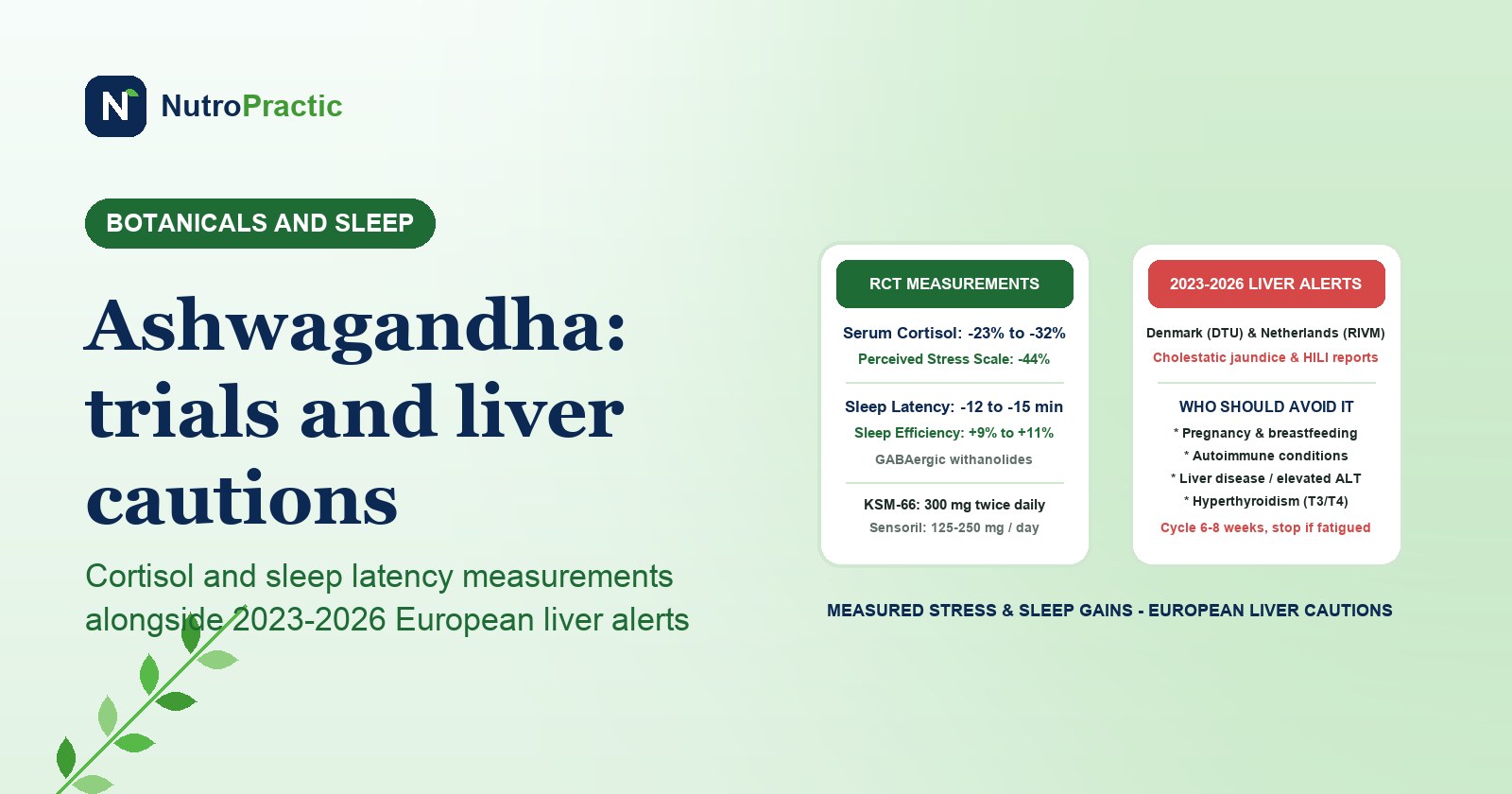
| Chandrasekhar et al. (2012) Indian J Psychol Med | 64 adults 60 days | KSM-66 extract 300 mg twice daily (600 mg) | Serum cortisol fell by 27.9% (vs 7.9% in placebo, p=0.0006). Perceived Stress Scale (PSS) score dropped by 44.0% (vs 5.5% in placebo). |
| Lopresti et al. (2019) Medicine (Baltimore) | 60 stressed adults 60 days | Shoden extract (35% withanolides) 240 mg once daily | Morning cortisol dropped by 23% (vs 0.5% in placebo). Hamilton Anxiety Rating Scale (HAM-A) scores fell by 41% vs 24%. DHEA-S increased. |
| Salve et al. (2019) Cureus | 60 healthy adults 8 weeks | KSM-66 extract 250 mg/day vs 600 mg/day | Significant dose-dependent reduction in PSS scores and serum cortisol (-22.2% for 250 mg; -32.8% for 600 mg vs -4.9% placebo). |
| Auddy et al. (2008) JANA | 130 stressed adults 60 days | Sensoril extract (10% withanolides) 125 mg to 500 mg/day | Dose-dependent cortisol reduction between 14.5% and 30.5%; significant decreases in fasting blood glucose, blood pressure, and hs-CRP. |
Across these trials, the biochemical signal is clear: in adults experiencing documented chronic stress, standardized Ashwagandha root extract consistently blunts excess cortisol secretion by 20% to 32% over 60 days. Concurrently, clinical stress scores on the Perceived Stress Scale (PSS) improve by roughly 35% to 44%.
Sleep trials: Polysomnography and actigraphy results
In addition to daytime anxiety reduction, Ashwagandha demonstrates objective efficacy for disturbed sleep. In randomized trials utilizing wrist actigraphy and polysomnography (PSG) sleep monitors, researchers observed distinct improvements in sleep mechanics:
• Sleep Onset Latency (SOL): In a randomized, double-blind trial published by Langade and colleagues (2019) examining patients with insomnia taking 300 mg of KSM-66 twice daily, time to fall asleep decreased by 15.3 minutes (from 42.4 min down to 27.1 min, compared to only 4.8 min in the placebo group).
• Sleep Efficiency (SE): Sleep efficiency (percentage of time in bed spent asleep) increased from 75.6% to 83.5% in the Ashwagandha cohort, compared to a negligible rise in placebo.
• Total Sleep Time (TST): Total nightly sleep duration increased by an average of 36 to 48 minutes over 10 to 12 weeks of treatment.
• Subjective Sleep Quality: Global scores on the Pittsburgh Sleep Quality Index (PSQI) improved significantly, with participants reporting less midnight awakenings and improved morning alertness.
Standardized extracts compared: KSM-66 vs Sensoril
Raw Ashwagandha root powder purchased in bulk bins varies wildly in potency and can be contaminated with environmental heavy metals. Most clinical trials utilize one of two patented, standardized extracts:
• KSM-66: A water-based, "full-spectrum" extract derived exclusively from the roots. It is standardized to contain 5% withanolides by HPLC. Because it mimics the traditional root-only preparation, KSM-66 is energizing yet calming and is the most common formulation in clinical trials for stress, cognitive focus, and testosterone support (typical dose: 300 mg twice daily, or 600 mg once daily with food).
• Sensoril: Derived from both the roots and the leaves of the plant, utilizing a specialized aqueous extraction. It is standardized to a higher concentration of >=10% withanolides and >=32% oligosaccharides. Sensoril tends to produce a more pronounced sedative, relaxing effect, making it favored for evening administration and insomnia (typical dose: 125 mg to 250 mg once or twice daily).
The European safety alerts: Liver injury and product bans
Despite these impressive efficacy numbers, regulatory scrutiny has intensified dramatically. Between 2023 and 2026, leading European food safety authorities issued major cautionary reports:
• Denmark (DTU Food, National Food Institute, 2023): DTU completed an exhaustive toxicological risk assessment of Withania somnifera. The agency concluded that it was impossible to establish a safe lower intake threshold for Ashwagandha in food supplements, citing international reports of acute liver toxicity, endocrine disruption, and negative reproductive effects in animal studies. As a consequence, Danish commercial authorities effectively banned Ashwagandha in retail food supplements.
• The Netherlands (RIVM, National Institute for Public Health and the Environment, 2024): RIVM published an advisory warning consumers against the use of Ashwagandha supplements. The agency documented dozens of clinical cases of herb-induced liver injury (HILI) and severe cholestatic jaundice worldwide where liver biopsy confirmed drug-induced hepatocellular necrosis. In the reported cases, liver enzymes (ALT and AST) surged greater than 10 to 20 times the upper limit of normal, resolving only after complete supplement cessation.
• Germany (BfR) and Pharmacovigilance Registries: European liver registries noted that while severe hepatotoxicity remains an idiosyncratic reaction (affecting a small fraction of susceptible individuals), commercial supplements occasionally contain undisclosed synthetic adulterants, elevated heavy metals, or excessive withaferin A concentrations that stress hepatocyte glutathione reserves.
Who should strictly avoid Ashwagandha
Given its potent biological activity and clinical contraindications, Ashwagandha is not suitable for everyone:
1. Pregnant or breastfeeding women: Strictly contraindicated. In traditional medicine, high doses of Ashwagandha root have demonstrated emmenagogue and abortifacient properties, with potential to trigger uterine contractions.
2. People with autoimmune conditions: Because Ashwagandha stimulates cell-mediated immunity and increases natural killer (NK) cell activity, it can trigger acute flare-ups in conditions like rheumatoid arthritis, systemic lupus erythematosus (SLE), and multiple sclerosis.
3. Pre-existing liver disease or elevated liver enzymes: Anyone with non-alcoholic fatty liver disease (MASLD), cirrhosis, hepatitis, or unexplained ALT/AST elevations should avoid Ashwagandha entirely.
4. Hyperthyroidism: Ashwagandha stimulates the thyroid gland, significantly increasing circulating free T3 and T4 levels. While sometimes explored in subclinical hypothyroidism, it can precipitate thyrotoxicosis in individuals with Hashimoto's or Grave's disease.
5. Before scheduled surgery: Due to its central GABAergic and sedative properties, Ashwagandha potentiates anaesthesia and sedative medications. Discontinue all use at least two weeks before elective surgery.
How to use Ashwagandha safely
If you choose to use Ashwagandha for chronic stress or sleep disturbances, follow these clinical harm-reduction rules:
• Choose third-party certified extracts: Buy only standardized root-only extracts (such as KSM-66) that carry independent third-party testing seals (USP, NSF, or ConsumerLab) confirming the absence of lead, cadmium, and arsenic.
• Stick to evidence-based doses: 300 mg once or twice daily of KSM-66, or 125 mg to 250 mg of Sensoril. More is not better; mega-doses sharply increase gastrointestinal irritation and hepatic burden.
• Cycle your usage: Never take Ashwagandha continuously year-round. A prudent clinical protocol is 6 to 8 weeks of daily use, followed by a mandatory 2 to 4-week break.
• Recognize warning signs immediately: Stop the supplement and contact a physician immediately if you experience dark yellow or brown urine, pale clay-colored stools, yellowing of the whites of your eyes (jaundice), severe unexplained nausea, upper right abdominal pain, or extreme fatigue.
Ashwagandha is a biologically potent botanical that delivers genuine 20% to 30% cortisol blunting and faster sleep onset in trials. However, it must be treated like a pharmacological agent—cycled in 6-to-8 week blocks, avoided in pregnancy and liver disease, and stopped at the first sign of abdominal discomfort or dark urine.
Tackling chronic stress, sleep disruption, and adrenal health requires evaluating your complete diet, circadian biology, and supplement safety. Dr. Triveni provides individual, evidence-based nutrition consultations tailored to your health history.
Book a clinical consultationThis article is for informational and educational purposes only and does not constitute medical advice. Consult your healthcare provider before taking Ashwagandha, especially if you have chronic medical conditions or take prescription drugs.
Scientific references
Chandrasekhar K. et al., A prospective, randomized double-blind, placebo-controlled study of safety and efficacy of a high-concentration full-spectrum extract of ashwagandha root in reducing stress and anxiety in adults, Indian J Psychol Med 34(3):255-262 (2012).
Lopresti A.L. et al., An investigation into the stress-relieving and pharmacological actions of an ashwagandha (Withania somnifera) extract: A randomized, double-blind, placebo-controlled study, Medicine (Baltimore) 98(37):e17186 (2019).
Salve J. et al., Adaptogenic and Anxiolytic Effects of Ashwagandha Root Extract in Healthy Adults: A Double-blind, Randomized, Placebo-controlled Clinical Study, Cureus 11(12):e6466 (2019).
Langade D. et al., Efficacy and Safety of Ashwagandha (Withania somnifera) Root Extract in Insomnia and Anxiety: A Double-blind, Randomized, Placebo-controlled Study, Cureus 11(9):e5797 (2019).
Langade D. et al., Clinical evaluation of the pharmacological impact of ashwagandha root extract on sleep in healthy volunteers and insomnia patients: A double-blind, randomized, parallel-group, placebo-controlled study, J Ethnopharmacol 264:113276 (2021).
Danish Veterinary and Food Administration (DTU Food), Risk assessment of Withania somnifera (Ashwagandha) in food supplements, National Food Institute, Technical University of Denmark (2023).
National Institute for Public Health and the Environment (RIVM), Advisory report on the health risks of Ashwagandha in food supplements, Ministry of Health, Welfare and Sport, Netherlands (2024).
Björnsson H.K. et al., Ashwagandha-induced liver injury: A case series from Iceland and the Drug-Induced Liver Injury Network, Liver Int 40(6):1250-1255 (2020).