Nutritional epidemiology & sleep medicine · November 22, 2026
Food insecurity linked to 36% higher likelihood of obstructive sleep apnea risk in nationwide study of 9,555 older adults
A nationwide cross-sectional study of 9,555 adults aged 40 and older in South Korea found that individuals experiencing household food insecurity had a 36% higher adjusted risk of scoring high on obstructive sleep apnea screening, revealing a powerful intersection between socio-nutritional vulnerability and respiratory sleep disorders.
Obstructive sleep apnea (OSA) is a prevalent sleep-related breathing disorder characterized by repetitive partial or complete collapse of the upper pharynx during sleep, causing intermittent hypoxemia, sympathetic nervous system surges, and sleep fragmentation. While anatomical airway narrowing, neck circumference, and general adiposity are established risk factors, social determinants of health—specifically household food insecurity—are increasingly recognized as potent environmental stressors that compromise cardiometabolic and respiratory resilience.
To determine whether food insecurity independently predicts obstructive sleep apnea risk in community populations, epidemiologists analyzed a representative nationwide sample of 9,555 adults aged 40 years and older from the Korea National Health and Nutrition Examination Survey. Household food security was assessed using a validated 18-item survey tool, categorizing participants into food secure, marginal food security, and food insecure groups. High OSA risk was screened using a modified STOP-BANG questionnaire (incorporating snoring, tiredness, observed apnea, blood pressure, BMI, age, neck circumference, and gender) with a validated clinical cutoff score of 4 or higher.
After adjusting for demographic factors, household income, educational attainment, smoking status, alcohol consumption, and physical activity in multivariable logistic regression models, food insecurity was significantly associated with elevated OSA risk. Adults experiencing food insecurity had a 36% higher odds of high OSA screening scores compared to food-secure peers (adjusted odds ratio [OR] = 1.36; 95% CI: 1.01–1.81). Furthermore, adults with marginal food security also exhibited a trending elevation in risk (adjusted OR = 1.24; 95% CI: 0.98–1.57), indicating a graded socio-nutritional risk continuum.
The researchers noted that food insecurity drives multiple interconnected pathophysiological pathways: economic hardship forces reliance on cheap, highly processed, sodium-dense, and pro-inflammatory refined foods, which exacerbate fluid retention in the pharyngeal tissues, accelerate visceral obesity, and stimulate chronic low-grade systemic inflammation. The authors concluded that clinical sleep medicine and primary care programs must recognize food insecurity as a key risk marker, emphasizing that public health food assistance initiatives may yield substantial co-benefits for respiratory and sleep health.
Nationwide analysis of household food security and obstructive sleep apnea risk
9,555 adults
Nationwide representative sample of community-dwelling adults aged 40+
OR 1.36
Adjusted odds ratio for high OSA screening score in food-insecure households
95% CI 1.01-1.81
Statistically significant confidence interval after multivariable adjustment
STOP-BANG ≥ 4
Validated screening cutoff identifying moderate-to-severe sleep apnea risk
Nationwide epidemiological cross-sectional study published in Nutrients (19 November 2026).
- The STOP-BANG questionnaire is an acronym for Snoring, Tiredness, Observed apnea, high blood Pressure, BMI > 35, Age > 50, Neck circumference > 40 cm, and Gender (male).
- High dietary sodium intake can exacerbate obstructive sleep apnea severity by promoting rostral overnight fluid shifts from the lower extremities to neck soft tissues during recumbency.
- Unmanaged obstructive sleep apnea is a major independent driver of treatment-resistant hypertension, coronary artery disease, and stroke.
- Food insecurity affects an estimated 10% to 15% of households in developed economies, consistently correlating with higher rates of type 2 diabetes and chronic stress hormone secretion.
- Food Insecurity and Obstructive Sleep Apnea Risk Among Middle-Aged and Older Adults in South Korea: A Cross-Sectional Study Using the STOP-BANG QuestionnaireNutrients / MDPI · Nationwide cross-sectional study of 9,555 adults. Published 19 November 2026.
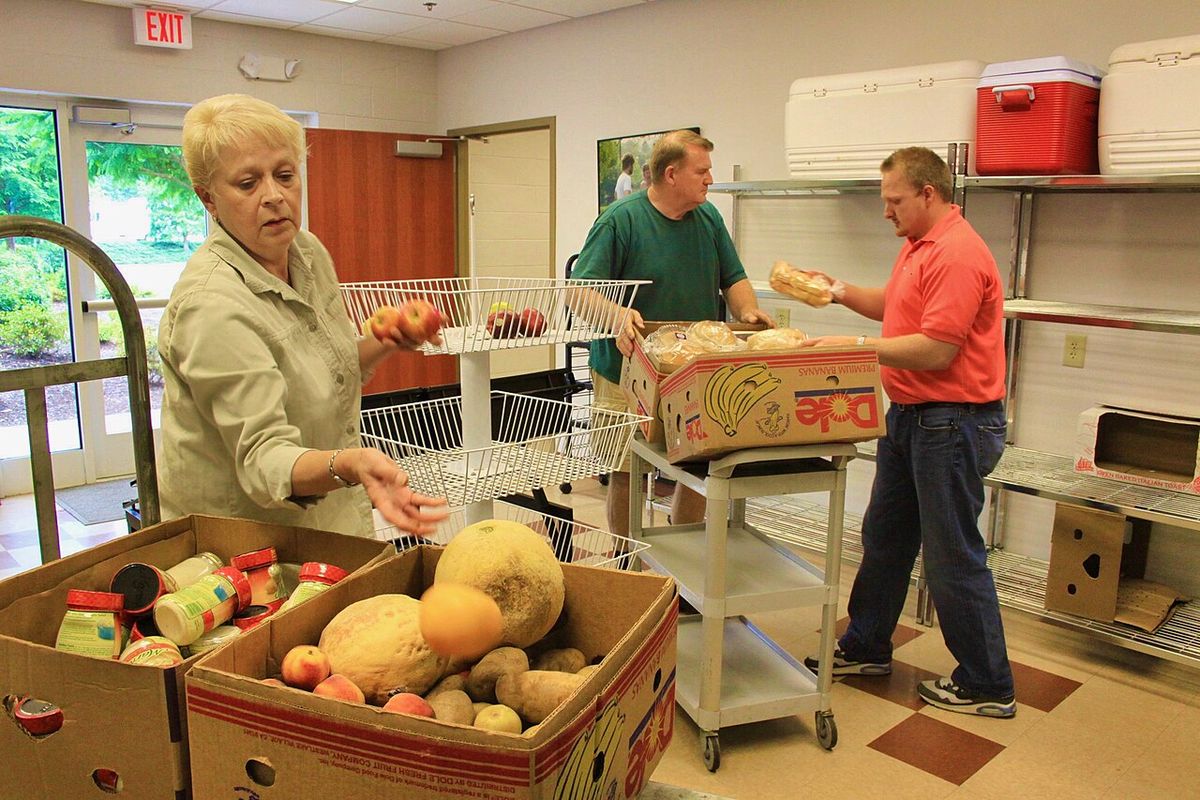
- A food bank at Lee University in Cleveland, TennesseeWikimedia Commons · Photo by Harrison Keely, CC BY 4.0 license.
Educational summary of nutritional epidemiology and sleep medicine research. Individuals experiencing persistent loud snoring, daytime exhaustion, or witnessed pauses in breathing should undergo formal clinical sleep evaluation.
Analysis by NutroPractic from the sources listed. Written for general readers; it does not replace advice from your own doctor.
From our articles
Our guides on this subject
Plain-language guides on nutrition and wellness, backed by research.

Women's wellness and nutrition
Creatine for women: cognitive performance, menstrual cycle phases, and bone density beyond muscle building
Creatine is widely stereotyped as a bodybuilding supplement for men, but female physiology tells a very different story. Women exhibit 70% to 80% lower endogenous creatine stores, reduced dietary intake, and cyclical fluctuations in brain creatine kinase across the follicular and luteal phases. Robust clinical trials demonstrate that 3 to 5 grams of daily creatine monohydrate enhances cognitive performance during sleep deprivation, augments clinical response in unipolar depression, preserves femoral neck bone geometry in postmenopausal women, and causes cellular intracellular hydration rather than subcutaneous bloating.
13 Nov 2026
Supplements and vitamins
Glycine before bed: the 3 g sleep trials, what they measured, and glycine in gelatin, bone broth and collagen
The 3 g dose comes from small Japanese trials: the sleep-restriction study analysed seven men. Here is what each trial measured, the grams of gelatin, collagen, pork rinds and bone broth that hold 3 g, and the clozapine warning.
17 Nov 2026

Medicines and nutrition
CoQ10 and statins: what the muscle symptom trials found, and who might benefit
Statin-associated muscle symptoms lead up to 30% of patients to discontinue life-saving cholesterol therapy. While statins deplete circulating CoQ10 by 16% to 54%, randomized clinical trials show mixed results for myalgia relief. Explore the trials, ubiquinone vs ubiquinol bioavailability, recommended doses, and clinical guideline recommendations.
14 Nov 2026
Newsfeed for your website
Want this feed on your website?
Add it to any site with one copy-and-paste snippet. No sign-up, and it updates itself every hour.
Start with a virtual consultation
Tell Dr. Triveni what you want to change. You will leave with a clear next step, whether you are in Toronto, London, New York or Chennai.