Functional foods & metabolism · November 23, 2026
A probiotic chewing gum reduced visceral-to-subcutaneous fat ratio and hunger scores in a 12-week triple-blind trial
Delivering the probiotic Bifidobacterium animalis subsp. lactis CECT 8145 in sugar-free chewing gum helped adults with abdominal obesity shift their deep visceral fat ratios and curb hunger without altering overall waist size.
Abdominal obesity, particularly excessive accumulation of deep visceral adipose tissue (VAT) surrounding internal organs, represents a primary pathophysiological driver of cardiometabolic disease, insulin resistance, and systemic vascular inflammation. While specific probiotic strains have shown promise for metabolic modulation in preclinical models, practical delivery formats that fit smoothly into daily life remain limited. In a 12-week randomized, triple-blind, parallel, placebo-controlled trial, researchers evaluated whether delivering the probiotic strain Bifidobacterium animalis subsp. lactis CECT 8145 (Ba8145) via daily sugar-free chewing gum could favorably modulate abdominal fat distribution and cardiometabolic biomarkers.
The clinical trial enrolled 113 adults with abdominal obesity (mean age 53.6 years; 67.3% women), randomizing them 1:1 to receive either active Ba8145 chewing gum delivering 1x10^10 CFU per day or an identical placebo chewing gum for 12 weeks. Abdominal fat distribution was precisely quantified using magnetic resonance imaging (MRI) and abdominal ultrasound (US), alongside comprehensive fasting lipid panels, non-esterified fatty acids (NEFA), inflammatory cytokines, and validated visual analog scales for appetite.
At 12 weeks, overall waist circumference measured by MRI showed no statistically significant difference between the two groups. However, participants chewing the active probiotic gum experienced a significant reduction in their visceral-to-subcutaneous fat thickness ratio (VAT/SAT ratio) by MRI (-0.305, 95% CI: -0.57 to -0.04, p = 0.022) and their conicity index (-0.013, 95% CI: -0.03 to -0.011, p = 0.037) compared with placebo. Self-reported hunger scores were also significantly reduced. In sex-stratified analyses, men experienced especially pronounced visceral reductions, including a 16.9 cm² decrease in intra-abdominal fat area by MRI (p = 0.039) and a 0.665 cm decrease in VAT thickness by ultrasound (p = 0.034).
Probiotic gum consumption was also accompanied by favorable shifts in circulating lipids, including significant decreases in total cholesterol, LDL-c, apolipoprotein B, and in men, circulating non-esterified fatty acids (NEFA) and interleukin-6 (IL-6). Reductions in the VAT/SAT ratio correlated directly with reductions in circulating NEFA. While chewing gum delivery proved feasible, safe, and well-tolerated, the researchers emphasized that probiotic supplementation serves as a complementary lifestyle adjunct rather than a standalone replacement for wholesome dietary habits and regular physical exercise.
12-week triple-blind probiotic chewing gum trial (NCT05882149)
113
adults with abdominal obesity randomized 1:1 (mean age 53.6 y)
-0.305
reduction in MRI visceral-to-subcutaneous fat ratio vs placebo (p = 0.022)
-16.9 cm²
decrease in intra-abdominal fat area by MRI in men (p = 0.039)
1x10^10 CFU
daily dose of Bifidobacterium animalis subsp. lactis CECT 8145
Triple-blind randomized controlled trial published in Frontiers in Nutrition on 11 November 2026. Registered on ClinicalTrials.gov (NCT05882149).
- Visceral fat surrounds internal abdominal organs and releases free fatty acids and inflammatory cytokines directly into the portal vein leading to the liver, making it far more metabolically damaging than subcutaneous fat beneath the skin.
- The conicity index evaluates abdominal adiposity by modelling the human torso as a biconical cylinder, where higher values reflect greater central fat clustering relative to height and body weight.
- Chewing gum is being actively explored in clinical pharmacology as a functional delivery vehicle because mastication stimulates saliva flow and gradual buccal release without requiring water or capsules.
- Efficacy of Bifidobacterium animalis subspecies lactis CECT 8145 probiotic, delivered in a chewing gum, on abdominal fat distribution and cardiometabolic biomarkers in adults with abdominal obesity: a randomized triple-blind parallel controlled trialFrontiers in Nutrition · Open-access randomized controlled trial published 11 November 2026.
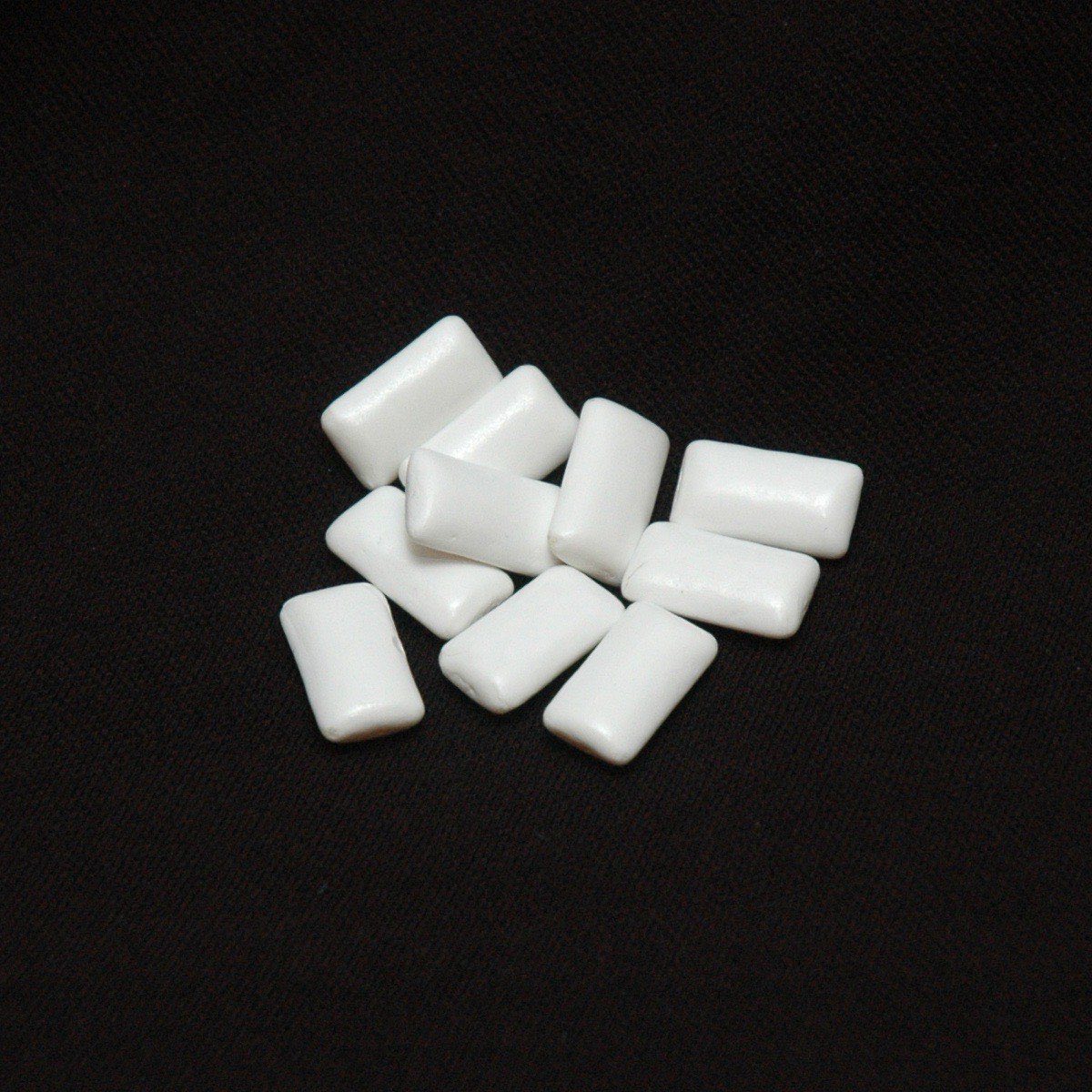
- File:Kaugummis.jpgWikimedia Commons · Photo by Frank C. Müller, CC BY-SA 2.5.
Educational summary of nutrition research, not personal medical advice. Speak to your doctor or dietitian before changing your diet or supplements, especially if you are pregnant, take medicines or have a medical condition.
Analysis by NutroPractic from the sources listed. Written for general readers; it does not replace advice from your own doctor.
From our articles
Our guides on this subject
Plain-language guides on nutrition and wellness, backed by research.
Global data
Diabetes, obesity, child malnutrition and hunger, 1980 to 2050: what the numbers show
How diabetes, obesity, child malnutrition and hunger have changed since 1980, with sourced figures and a basic projection to 2050. Click a condition to explore the chart and its facts.
5 Oct 2026

Gut health
Probiotic capsules: which ones have trial evidence, what they can do, and when to skip them
Children on antibiotics: 8% got diarrhoea with a probiotic, 19% without. Older hospital patients: 10.8% with, 10.4% without. Which capsules have evidence, what three guidelines say about IBS, what a course costs per case prevented, and who shouldn't take them.
2 Nov 2026
Gut health
Gluten-free without coeliac disease: who actually benefits, and what the blinded gluten challenges found
In blinded trials only 16% of people who said gluten made them ill reacted to gluten rather than placebo, and in Oslo fructans caused more bloating than gluten. Who really needs to avoid it, how to get tested before you stop, how much gluten is in a slice of bread or a roti, and what gluten-free food costs (159% more in the UK) and lacks.
1 Nov 2026
Newsfeed for your website
Want this feed on your website?
Add it to any site with one copy-and-paste snippet. No sign-up, and it updates itself every hour.
Start with a virtual consultation
Tell Dr. Triveni what you want to change. You will leave with a clear next step, whether you are in Toronto, London, New York or Chennai.