Gut health & prebiotic fiber · November 25, 2026
Yacon root as a prebiotic powerhouse: review untangles short-chain FOS, bowel motility, and clinical gaps
An Andean tuber rich in short-chain fructooligosaccharides is gaining global attention as a prebiotic sweetener. A comprehensive review in Nutrients critically evaluates its proven digestive benefits against unresolved metabolic and weight-loss claims.
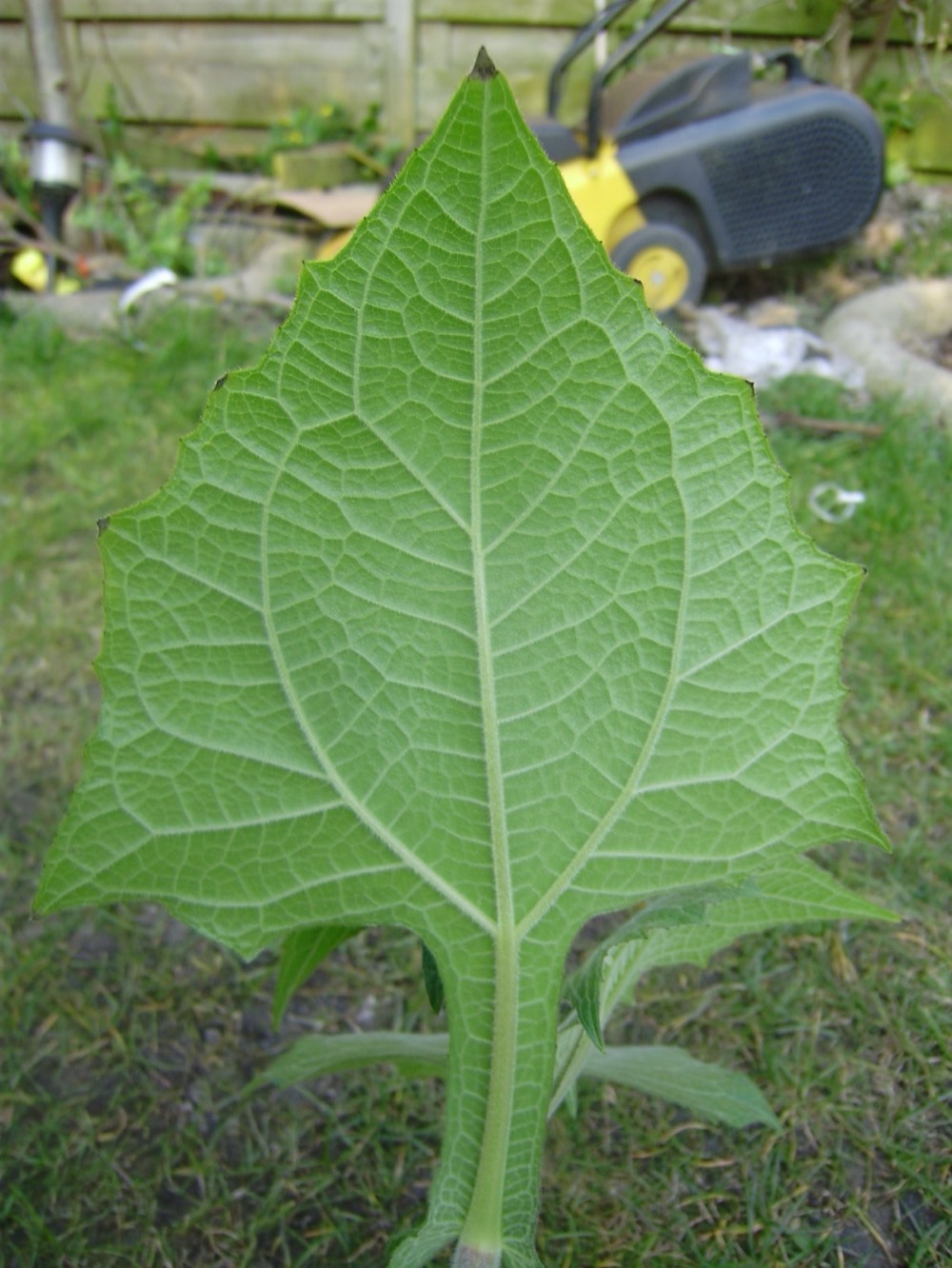
Yacon (Smallanthus sonchifolius), a perennial daisy family plant native to the Andean highlands, has emerged as a promising functional food due to its unique carbohydrate profile. Unlike starchy tubers, its storage roots accumulate large amounts of short-chain fructooligosaccharides (FOS) alongside free sugars (fructose, glucose, sucrose) and antioxidant polyphenols (principally chlorogenic and caffeic acids). Because human upper digestive enzymes cannot break down beta-(2->1) fructosyl bonds, these prebiotic oligomers reach the colon intact.
A comprehensive review published in Nutrients by researchers Roy Chen and Jianjun Chen critically evaluated botanical, metabolomic, toxicological, and human clinical evidence on yacon. The authors distinguished between experimentally confirmed physiological effects in human clinical trials and mechanistic properties merely inferred from other inulin-type fructans or isolated polyphenols.
The synthesis established that human trials provide the most robust, consistent evidence for improvements in bowel function, stool frequency, and colonic transit time, driven by microbial fermentation of short-chain FOS into short-chain fatty acids (SCFAs) like acetate, propionate, and butyrate. However, evidence regarding body weight reduction, fasting glycemic control, and systemic inflammatory markers remains mixed and methodologically heterogeneous across published cohorts.
The authors noted crucial caveats: yacon tuber composition fluctuates widely based on genotype, harvest maturity, and post-harvest storage, where endogenous fructan hydrolases can degrade FOS into simple sugars. Additionally, certain commercial preparations utilizing yacon leaves have shown potential renal toxicity in animal toxicology models, requiring strict separation of root from leaf products. They conclude that while yacon root is a valuable prebiotic food ingredient for digestive health, standardized FOS characterization is essential for clinical efficacy.
Yacon root bioactive composition and clinical evidence
Short-chain FOS
predominant prebiotic carbohydrate fraction stored in edible yacon roots
Bowel motility
most consistently demonstrated clinical benefit in human intervention trials
SCFAs
primary colonic fermentation metabolites produced by beneficial bifidobacteria
Root vs. leaf
critical safety distinction due to preparation-dependent toxicity risks in leaves
Critical narrative review published in Nutrients, November 2026.
- Yacon roots contain up to 50% to 70% of their dry weight as fructooligosaccharides, giving them a sweet taste with a low caloric density.
- Unlike longer-chain chicory inulin, short-chain FOS from yacon are fermented primarily in the proximal colon, stimulating rapid bifidogenic shifts.
- Yacon was traditionally cultivated in the Andes from Colombia to northwestern Argentina and eaten raw as a refreshing, crisp fruit.
- Yacon (Smallanthus sonchifolius): From Bioactive Compounds to Prebiotic MechanismsNutrients · Comprehensive review by Roy Chen and Jianjun Chen. Published November 2026.
- File:Smallanthus sonchifolius c.jpgWikimedia Commons · Photo by Rob Hille, Public domain.
Educational summary of nutrition research, not personal medical advice. Speak to your doctor or dietitian before changing your diet or supplements, especially if you are pregnant, take medicines or have a medical condition.
Analysis by NutroPractic from the sources listed. Written for general readers; it does not replace advice from your own doctor.
From our articles
Our guides on this subject
Plain-language guides on nutrition and wellness, backed by research.

Gut health
Fibermaxxing without the bloat: a two-week plan that adds 4 grams at a time
Going from 15 grams of fibre to 40 overnight is how most people end up bloated by Wednesday and back on white toast by Friday. What the bean studies and an MRI trial show about gas, and a 14-day ramp that gets you to about 30 grams with a quiet gut.
10 Oct 2026
Gut health
Fermented foods and your gut: what one Stanford trial found, and which jars still have anything alive in them
In a 10-week Stanford trial, about six servings a day of yogurt, kefir, kimchi and kombucha made gut bacteria more diverse and lowered 19 inflammation markers. A high-fibre diet didn't, at least not in 10 weeks. What that does and doesn't prove, why your sourdough and shelf-stable sauerkraut don't count, and an easy way to eat more of the real thing.
8 Oct 2026
Everyday eating
The fibre gap: why most adults fall short, and an easy 30-gram day
Most adults in the US, Canada and Europe eat far less fibre than recommended, even though higher intakes are linked to lower rates of heart disease, type 2 diabetes and bowel cancer. How much you need, where it hides, and a sample day that gets you to 30 grams.
3 Oct 2026
Newsfeed for your website
Want this feed on your website?
Add it to any site with one copy-and-paste snippet. No sign-up, and it updates itself every hour.
Start with a virtual consultation
Tell Dr. Triveni what you want to change. You will leave with a clear next step, whether you are in Toronto, London, New York or Chennai.