Pediatric public health & processed foods · November 21, 2026
High ultra-processed food intake in preschoolers linked to lower dietary quality and elevated dental caries
In a cross-sectional study of preschool children in Taiwan, heavy consumption of ultra-processed foods significantly degraded nutrient intake and was associated with a higher burden of dental caries and constipation symptoms.
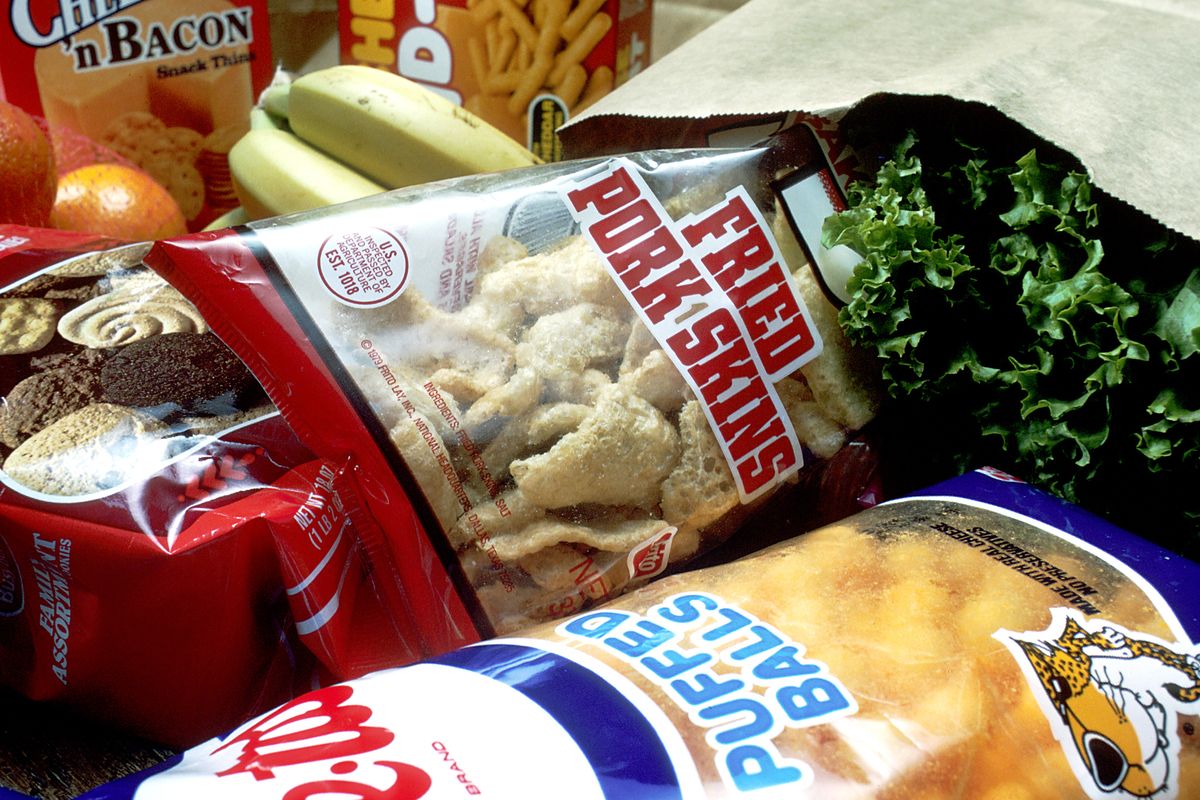
The proliferation of ultra-processed foods (UPFs)—characterized by industrial formulations, cosmetic additives, and high concentrations of added sugars, refined starches, and saturated fats—has expanded dramatically across East Asian urban centers. While the adverse cardiometabolic effects of UPFs are well documented in adults, their specific clinical impacts on early childhood oral health and gastrointestinal functioning remain less thoroughly characterized in preschool populations.
Preschoolers are uniquely vulnerable to poor dietary quality because early eating patterns establish lifelong flavor preferences and nutritional habits. Moreover, young children's primary teeth possess thinner enamel, making them especially susceptible to rapid acid-induced demineralization when exposed to frequent, sticky processed snacks containing fermentable carbohydrates.
To evaluate these health associations, pediatric public health researchers conducted a cross-sectional epidemiological study among preschool children in Taiwan. Utilizing validated dietary assessment tools and the NOVA food classification framework, the researchers quantified daily UPF consumption alongside comprehensive oral clinical examinations and pediatric constipation symptom scoring.
The findings revealed that children in the highest quartile of ultra-processed food intake consumed significantly less dietary fiber, micronutrients, and high-biological-value protein, while taking in vastly higher levels of free sugars. Furthermore, high UPF consumption was strongly associated with an increased prevalence of dental caries (elevated decayed, missing, and filled primary teeth indices) and higher rates of constipation-related complaints, demonstrating the multi-organ consequences of early ultra-processed food reliance.
Dietary quality, dental caries, and functional gastrointestinal markers across UPF quartiles
NOVA 4
Classification system categorizing industrially formulated ultra-processed items
+Caries risk
Significant elevation in decayed, missing, and filled primary teeth
Lower fiber
Marked displacement of dietary fiber and essential micronutrients by UPFs
Constipation
Higher odds of constipation-related pediatric digestive symptoms
Cross-sectional pediatric study evaluating ultra-processed food intake, dietary quality, dental caries, and constipation in Taiwanese preschool children.
- Ultra-processed foods often contain emulsifiers, thickeners, and flavor enhancers designed to maximize palatability and product shelf-life.
- Oral bacteria such as Streptococcus mutans rapidly ferment refined sugars from processed snacks into lactic acid, lowering oral pH below 5.5.
- Primary teeth enamel is only half as thick as permanent enamel, accelerating cavity progression into the dental pulp.
- Low dietary fiber intake is a primary preventable risk factor for functional constipation in preschool children.
- Ultra-Processed Food Intake Is Associated with Dietary Quality, Dental Caries, and Constipation-Related Symptoms Among Preschool Children in Taiwan: A Cross-Sectional StudyNutrients / MDPI · Cross-sectional pediatric public health study. Published 10 November 2026.
- Grocery bag of junk foodsWikimedia Commons · Photo by Bill Branson, National Cancer Institute, public domain.
Educational summary of pediatric nutrition and public health research. Children's diets and dental health should be guided by pediatric dental and pediatric medical professionals.
Analysis by NutroPractic from the sources listed. Written for general readers; it does not replace advice from your own doctor.
From our articles
Our guides on this subject
Plain-language guides on nutrition and wellness, backed by research.
Nutrition science
Ultra-processed foods: what the evidence says, and a realistic way to eat fewer
Ultra-processed foods now make up more than half of the calories eaten in the US and the UK. What counts as ultra-processed, what a landmark NIH trial and a 2024 BMJ review found, where the science is still uncertain, and simple swaps that don't require cooking everything from scratch.
3 Oct 2026

Women's health
Inositol for PCOS: the 40:1 ratio, trial doses, and food milligrams
Why do randomized trials in polycystic ovary syndrome prioritize the 40:1 myo to D-chiro inositol ratio? Here is the science behind the ovarian epimerase paradox, clinical ovulation and insulin metrics, and why cantaloupe cannot replace 4,000 mg trial powder.
21 Nov 2026

Everyday eating
Extra virgin olive oil polyphenols: the EU health claim, smoke point myths, and cooking stability
Does extra virgin olive oil degrade when cooked? What does the EU 5 mg polyphenol health claim require, how does oleocanthal act like ibuprofen, and why does oxidative stability matter more than smoke point in domestic frying? Here is the clinical and culinary data.
21 Nov 2026
Newsfeed for your website
Want this feed on your website?
Add it to any site with one copy-and-paste snippet. No sign-up, and it updates itself every hour.
Start with a virtual consultation
Tell Dr. Triveni what you want to change. You will leave with a clear next step, whether you are in Toronto, London, New York or Chennai.