Ultra-processed foods & public health · November 28, 2026
In 11,530 Spanish adults, the highest ultra-processed food quartile had 1.59 times the odds of frequent emergency-room visits
A Spanish population study linked higher ultra-processed food intake to more medication use and more visits to doctors and emergency rooms. The associations held after adjusting for cardiometabolic risk factors.
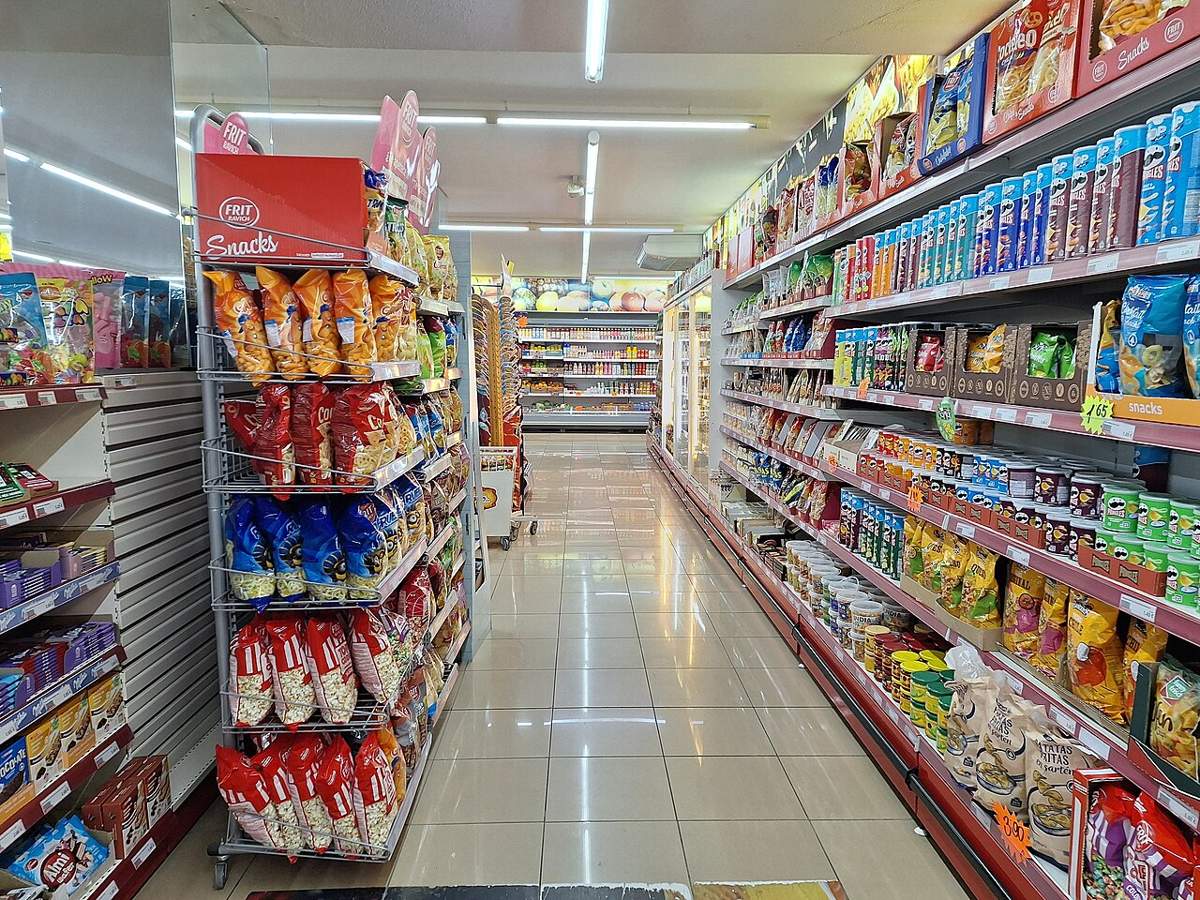
Ultra-processed foods have been tied to chronic disease and earlier death. This study asked a different question: do people who eat more of them use more health care?
In BMC Public Health, Carolina Donat-Vargas and colleagues analysed 11,530 Spanish adults aged 18 and over recruited in 2008-2010. Ultra-processed food intake came from a validated computerised dietary history and was classified by NOVA. Use of health services was self-reported, with follow-up in 2012-2013 for 2,006 participants aged 60 and over.
Comparing the highest with the lowest quartile of intake, odds ratios were 1.43 (1.09-1.87) for taking three or more medications a day, 1.53 (1.20-1.95) for monthly or more primary-care visits, 1.29 (1.08-1.54) for more than one specialist visit a year and 1.59 (1.27-1.98) for more than one emergency-room visit a year. Hospitalisation in the past year was not clearly linked at baseline (1.14, 0.90-1.45). In the older follow-up group, hospitalisation was associated (OR 1.57, 1.02-2.40).
The associations were roughly linear and did not shrink after adjusting for cardiometabolic risk factors; diagnosed chronic conditions explained only a modest share. This is observational and self-reported, so it cannot show that these foods cause the extra visits, and the authors call for longitudinal studies.
Highest vs lowest quartile of ultra-processed food intake
11,530
Spanish adults analysed (recruited 2008-2010)
OR 1.59
more than one emergency-room visit a year (95% CI 1.27-1.98)
OR 1.53
monthly or more primary-care visits (95% CI 1.20-1.95)
OR 1.57
hospitalisation in follow-up of 2,006 adults aged 60+ (95% CI 1.02-2.40)
Observational study in BMC Public Health, 19 Nov 2026. Odds ratios compare quartiles; they are not the same as risk ratios. Healthcare use was self-reported.
- Foods are grouped as ultra-processed using the NOVA classification.
- Hospitalisation in the past year was not clearly linked in the baseline analysis (OR 1.14, 95% CI 0.90-1.45).
- Higher ultra-processed food intake predicts increased healthcare service use: a population-based study in SpainBMC Public Health, 19 Nov 2026 · Abstract and results.
This article is general information about published research, not medical advice. It does not diagnose, treat or replace care from a qualified health professional. Talk to your doctor before starting a supplement or changing your diet, especially if you are pregnant, have a medical condition or take medicines.
Analysis by NutroPractic from the sources listed. Written for general readers; it does not replace advice from your own doctor.
From our articles
Our guides on this subject
Plain-language guides on nutrition and wellness, backed by research.
Nutrition science
Ultra-processed foods: what the evidence says, and a realistic way to eat fewer
Ultra-processed foods now make up more than half of the calories eaten in the US and the UK. What counts as ultra-processed, what a landmark NIH trial and a 2024 BMJ review found, where the science is still uncertain, and simple swaps that don't require cooking everything from scratch.
3 Oct 2026
Gut health
L-glutamine for gut barrier integrity: what the post-infectious IBS and permeability trials measured, and the dose in grams
At 15 g a day, glutamine took 79.6% of post-infection IBS-D patients to a clinical response against 5.8% on placebo. Trials that measured gut permeability directly in Crohn's, pancreatitis and heat stress found no clear benefit, and a 10-trial meta-analysis found none overall. The doses, the 14 g a day safe level, and who might try it.
27 Nov 2026
Supplements and vitamins
Black seed oil (Nigella sativa) and fasting glucose: what the pooled trials measured, oil vs powder doses, and the liver enzyme data
Meta-analyses of randomised trials put black seed's effect at roughly 10 to 20 mg/dL lower fasting glucose and about half a point of HbA1c, mostly as an add-on to diabetes tablets. The 1 to 3 g a day doses tested, why two bottles can differ 263-fold in thymoquinone, and what the liver and kidney markers showed.
27 Nov 2026
Newsfeed for your website
Want this feed on your website?
Add it to any site with one copy-and-paste snippet. No sign-up, and it updates itself every hour.
Start with a virtual consultation
Tell Dr. Triveni what you want to change. You will leave with a clear next step, whether you are in Toronto, London, New York or Chennai.