Heart health · November 5, 2026
300 adults will put an awkward food-label question to the test: does ‘ultra-processed’ soy lower blood pressure as well as tofu?
A newly published trial design compares soy milk, burgers and yoghurt with tofu, tempeh, edamame and soy nuts inside the same heart-healthy diet. There are no results yet — and that is exactly why the study matters.
Calling a food ultra-processed can be a useful warning, but it can also put nutritionally different products in the same box. A trial design published on 30 October 2026 sets up a direct test of that problem. The SWITCH trial plans to recruit 300 adults in Canada who have both hypertension and obesity; half of the participants will also have type 2 diabetes.
The researchers will randomly assign people to one of three groups for 12 weeks. One group receives usual care. The other two follow a digital programme that combines elements of the DASH and Portfolio diets, including extra fruit and vegetables and at least four daily servings of soy foods. The crucial difference is the form of that soy.
The high-ultra-processed group will have at least two servings of soy milk and two servings of foods such as soy yoghurt, soy burgers or soy mince each day. The lower-processing group will have at least two servings of minimally processed soy milk, plus a serving of edamame or roasted soy nuts and a serving of tofu or tempeh. The main outcome is the change in systolic blood pressure; non-HDL cholesterol and body weight are key secondary outcomes.
This is both a superiority and a non-inferiority trial. First, the combined diet programme will be tested against usual care to see whether it reduces blood pressure. Second, the researchers will ask whether the high-ultra-processed soy version performs no worse than the lower-processing version by more than a pre-set margin. That is a more precise question than asking whether every ultra-processed food is good or bad.
The design also prevents a common misunderstanding. A soy burger and a sugary drink may both fall into NOVA group 4, yet their protein, fibre, fat, salt and micronutrient profiles can be very different. If the two soy patterns produce similar results, that would support judging foods by more than one processing label. If they differ, the trial may help identify whether processing level adds useful information even within a carefully planned diet.
No health result has been reported. The paper describes what the researchers intend to do, and the registry lists primary completion for June 2027. The programme also changes several things at once — soy foods, fruit and vegetable intake, digital education and support — so even the finished trial will need careful interpretation. For now, it is a useful example of research designed to replace a broad nutrition argument with a measurable comparison, not a reason to change treatment or eat four servings of soy a day on your own.
What the SWITCH trial is designed to compare
300
Adults planned, all with hypertension and obesity
3 groups
High-UPF soy diet, lower-processing soy diet and usual care
12 weeks
Intervention period
50%
Planned share of participants with type 2 diabetes
≥4/day
Soy-food servings in each active diet group
Systolic BP
Primary outcome
June 2027
Registry's expected primary completion — results are not available yet
This is a published rationale and design paper, not a report of trial results. The active groups receive a multicomponent digital dietary programme as well as different soy foods. The study is open-label because participants can see what they eat, although the registry describes outcome assessors and care providers as masked.
- DASH stands for Dietary Approaches to Stop Hypertension. It emphasises fruit, vegetables, whole grains and other foods that support lower blood pressure.
- The Portfolio diet combines several cholesterol-lowering foods, including plant protein from soy, nuts, viscous fibre and plant sterols.
- A non-inferiority trial does not try to prove two options are identical. It tests whether one is not worse than the other by more than a margin chosen in advance.
- In the trial, tofu and tempeh sit in the lower-processing pattern, while soy yoghurt, burgers and mince sit in the ultra-processed pattern.
- Both active groups receive more than soy: the programme includes dietary guidance, a vegetable-and-fruit blend, an app, online lessons and text support.
- Blood pressure can change with medicines, weight, salt, alcohol, activity and many other factors, so the protocol requires stable medication and asks participants to keep their usual activity.
- Rationale and Design of a Parallel Randomized Trial of a DASH-Enhanced Portfolio Diet With or Without Ultra-Processed Plant ProteinsJournal of the American Heart Association, 30 October 2026 · Primary design paper; sample, groups, duration, research questions and outcomes checked against the abstract.
- The SWITCH Trial (NCT06907862)ClinicalTrials.gov · Prospective registry; intervention details, masking, measurements and expected primary completion checked here.
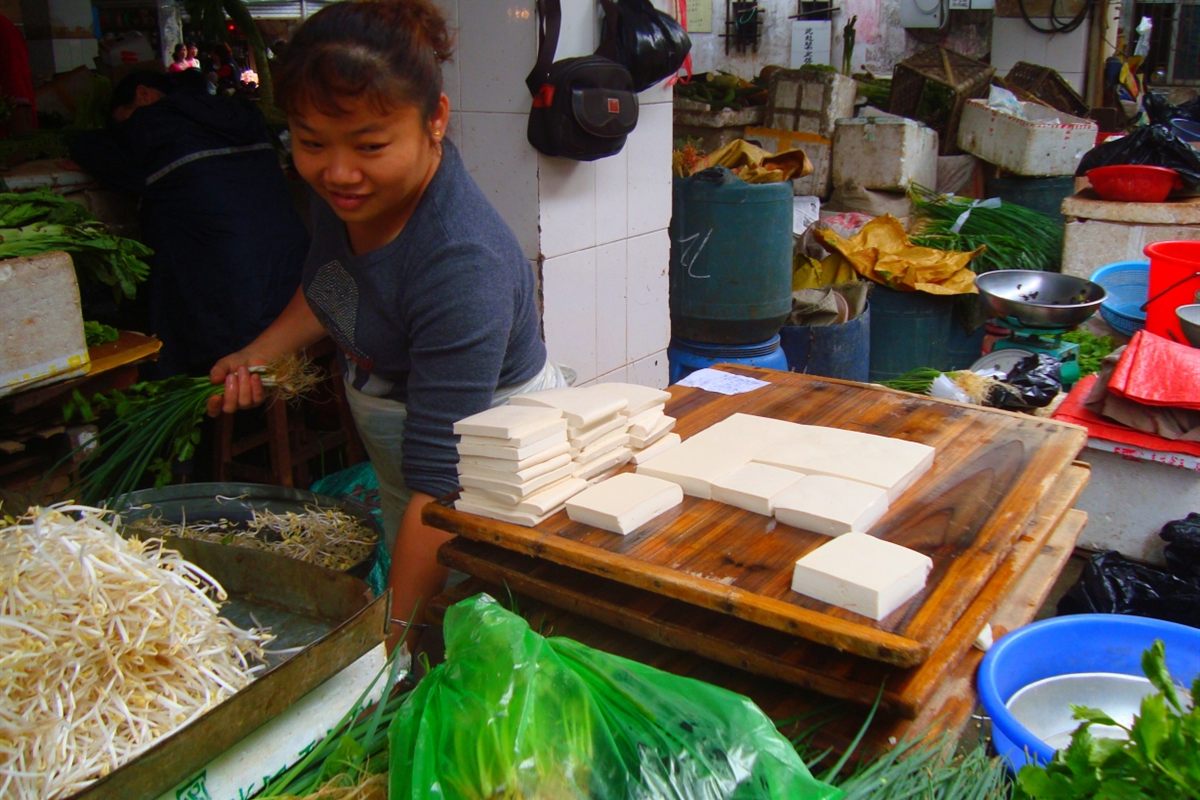
- Tofu in China 03.jpgWikimedia Commons · Public-domain photograph by Anna Frodesiak, used as a general illustration and cropped and resized.
General information, not medical advice. This publication describes a trial that is still under way and provides no evidence that one soy pattern lowers blood pressure better than another. People with hypertension, diabetes, kidney disease, food allergy or medicines affected by diet should discuss substantial dietary changes with their qualified clinician or dietitian.
Analysis by NutroPractic from the sources listed. Written for general readers; it does not replace advice from your own doctor.
From our articles
Our guides on this subject
Plain-language guides on nutrition and wellness, backed by research.
Micronutrients
Iodine: the nutrient that plant-based milks and sea salt left out
Iodine runs the thyroid and builds a baby's brain, and in the UK, much of Europe and parts of North America women of childbearing age are now mildly short of it. The reason is often a healthy-looking swap: oat milk for dairy, sea salt for table salt. Where iodine comes from, who needs more, and the seaweed trap.
30 Oct 2026
Heart health
Coffee and your heart: what the trials found on rhythm, blood pressure and sleep
For years people with palpitations or atrial fibrillation were told to give up coffee. Two randomised trials and cohorts of half a million people now point the other way, with three real exceptions: sleep, very high blood pressure and how the coffee is brewed.
30 Oct 2026
Kidney health
Kidney stones and food: calcium, oxalate, salt, citrate and how much to drink
After a kidney stone, most people are told to cut out dairy. A five-year trial showed that low-calcium diets make calcium stones more likely to come back, not less. Here is what the evidence supports: how much to drink, why calcium belongs with meals, the few high-oxalate foods that matter, salt, meat, lemons, and the 24-hour urine test.
18 Oct 2026
Newsfeed for your website
Want this feed on your website?
Add it to any site with one copy-and-paste snippet. No sign-up, and it updates itself every hour.
Start with a virtual consultation
Tell Dr. Triveni what you want to change. You will leave with a clear next step, whether you are in Toronto, London, New York or Chennai.