Functional foods & brain health · November 23, 2026
Daily spirulina improved executive cognitive flexibility and lowered anxiety scores in healthy adults: 8-week pilot trial
In an 8-week randomized trial, healthy young adults taking 3 grams of daily spirulina experienced significant reductions in tension-anxiety scores and demonstrated faster cognitive flexibility on Trail Making Tests.
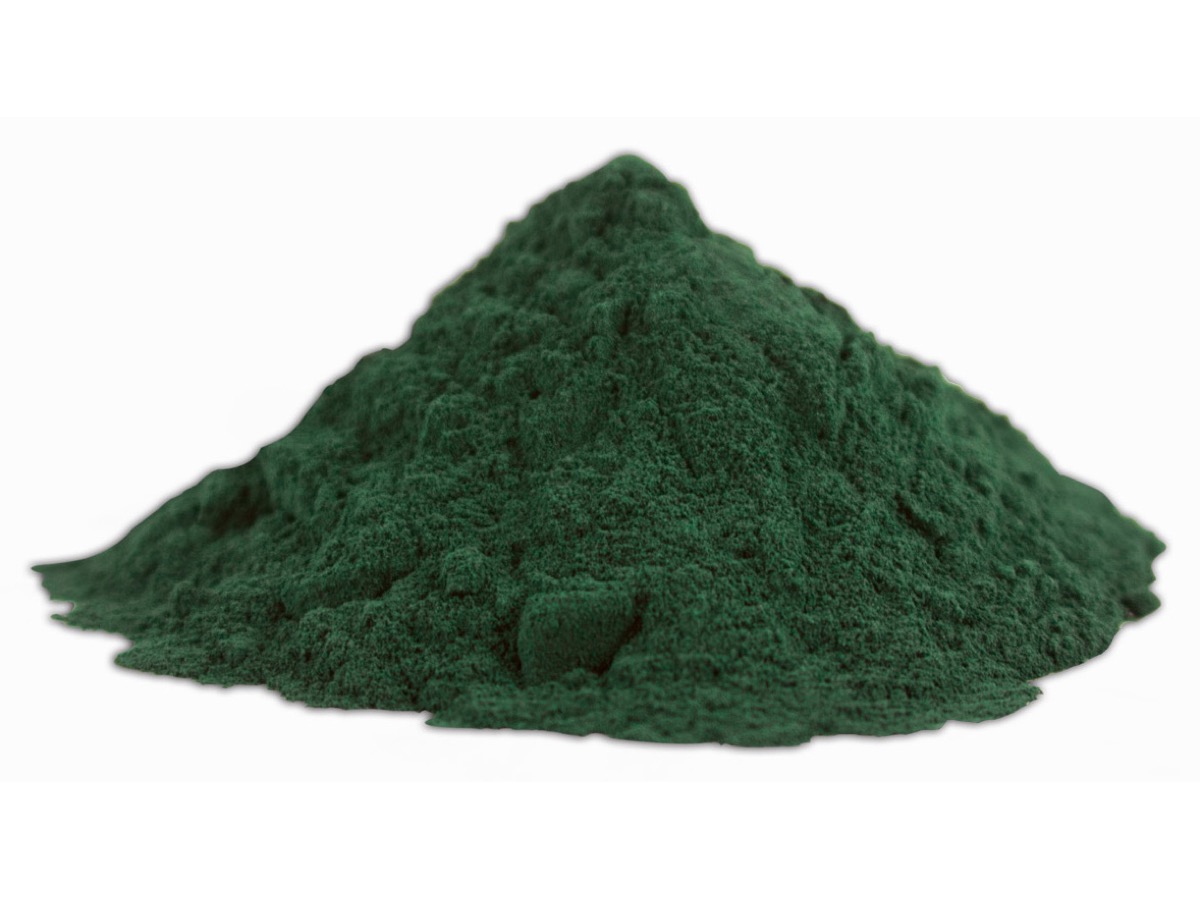
Arthrospira platensis, commonly known as spirulina, is a blue-green cyanobacterium cultivated globally for its dense nutritional composition, comprising 60% to 70% complete protein, B-vitamins, bioavailable iron, and chromoprotein complexes such as C-phycocyanin. While preclinical investigations have highlighted neuroprotective, antioxidant, and anti-neuroinflammatory actions of phycocyanobilin, human clinical trials exploring its direct influence on neuropsychological endpoints and mental fatigue in non-clinical populations have remained sparse.
Nutrition scientists conducted an 8-week randomized, parallel-group pilot trial to evaluate whether daily dietary supplementation with spirulina could influence affective mood states and executive cognitive processing in healthy young adults. Non-smoking, non-athletic participants were recruited across an academic campus and randomized to consume either 3 grams of whole spirulina daily or an identical placebo control over 8 consecutive weeks.
Standardized assessments were conducted at baseline, 4 weeks, and 8 weeks using the validated Profile of Mood States (POMS) questionnaire alongside the computerized Trail Making Test (TMT Parts A and B), which measures perceptual processing speed and executive cognitive set-shifting. Participants receiving spirulina demonstrated statistically significant reductions in total mood disturbance, driven largely by pronounced declines in the tension-anxiety subscale, whereas the control group experienced no such mood shifts.
In cognitive testing, the spirulina group showed significant performance acceleration on TMT Part B (evaluating alternating alphanumeric task switching) without sacrificing accuracy, indicating improved executive cognitive flexibility. The researchers noted that while these pilot findings are promising, larger multicenter cohorts featuring neuroimaging and circulating inflammatory biomarkers will be essential to establish precise physiological mechanisms.
8-week randomized pilot trial of spirulina supplementation
3 g/day
daily dose of Arthrospira platensis (spirulina) over 8 weeks
POMS
Profile of Mood States showed significant drop in tension-anxiety
TMT-B
statistically significant improvement in executive cognitive flexibility
8 weeks
duration of daily parallel-group dietary intervention
Peer-reviewed pilot clinical trial published in Frontiers in Nutrition on 21 November 2026.
- C-phycocyanin, the primary light-harvesting pigment in spirulina, exhibits a chemical structure resembling human bilirubin and functions as a selective inhibitor of NADPH oxidase.
- Trail Making Test Part B requires alternating between consecutive numbers and letters (1-A-2-B-3-C), challenging the prefrontal cortex executive switching capability.
- Spirulina was harvested historically from Lake Texcoco by the Aztecs (who named it tecuitlatl) and from Lake Chad by the Kanembu people as a traditional nutrient-dense food cake called dihe.
- Spirulina supplementation is associated with mood and cognitive function in healthy adults: a pilot trialFrontiers in Nutrition · Open-access pilot clinical trial published 21 November 2026.
- File:Spirulina.jpgWikimedia Commons · Photo by John R. P., CC BY-SA 3.0.
Educational summary of nutrition research, not personal medical advice. Speak to your doctor or dietitian before changing your diet or supplements, especially if you are pregnant, take medicines or have a medical condition.
Analysis by NutroPractic from the sources listed. Written for general readers; it does not replace advice from your own doctor.
From our articles
Our guides on this subject
Plain-language guides on nutrition and wellness, backed by research.

Women's wellness and nutrition
Creatine for women: cognitive performance, menstrual cycle phases, and bone density beyond muscle building
Creatine is widely stereotyped as a bodybuilding supplement for men, but female physiology tells a very different story. Women exhibit 70% to 80% lower endogenous creatine stores, reduced dietary intake, and cyclical fluctuations in brain creatine kinase across the follicular and luteal phases. Robust clinical trials demonstrate that 3 to 5 grams of daily creatine monohydrate enhances cognitive performance during sleep deprivation, augments clinical response in unipolar depression, preserves femoral neck bone geometry in postmenopausal women, and causes cellular intracellular hydration rather than subcutaneous bloating.
13 Nov 2026

Food and nutrition
L-theanine and caffeine: what cognitive trials measured on sustained attention, and milligrams in matcha vs green tea
Combining L-theanine with caffeine produces clean focus without caffeine jitters. Here is what randomized trials measured on attention-switching, EEG alpha brain waves, and the exact milligrams across ceremonial matcha, culinary powder, gyokuro, and sencha.
20 Nov 2026

Women's health
Inositol for PCOS: the 40:1 ratio, trial doses, and food milligrams
Why do randomized trials in polycystic ovary syndrome prioritize the 40:1 myo to D-chiro inositol ratio? Here is the science behind the ovarian epimerase paradox, clinical ovulation and insulin metrics, and why cantaloupe cannot replace 4,000 mg trial powder.
21 Nov 2026
Newsfeed for your website
Want this feed on your website?
Add it to any site with one copy-and-paste snippet. No sign-up, and it updates itself every hour.
Start with a virtual consultation
Tell Dr. Triveni what you want to change. You will leave with a clear next step, whether you are in Toronto, London, New York or Chennai.