Public health & school nutrition · November 19, 2026
Primary school menus swung from oversized breakfasts to underpowered lunches across 2,469 daily meal records
An audit of 2,469 daily school menus across 14 primary schools found that 75% of breakfasts exceeded energy guidelines while 70% of lunches fell short, revealing widespread structural imbalances in pupil nutrition.
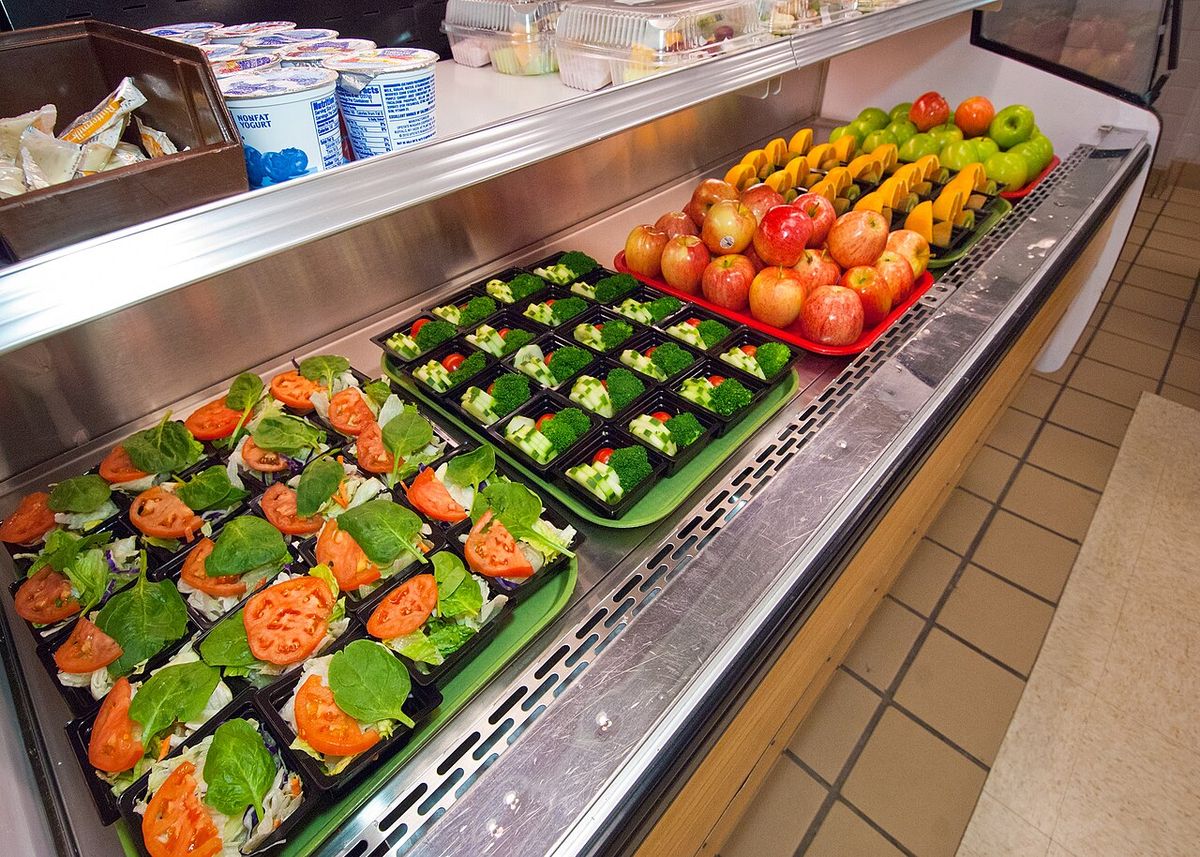
School feeding programs play a foundational role in childhood nutrition, providing up to half of a pupil's daily calories during the academic year. While public health guidelines establish clear benchmarks for calories, carbohydrates, fats, and proteins, translating national dietary standards into daily cafeteria trays is often fraught with institutional challenges. An extensive two-year nutritional audit in Nutrients revealed surprising imbalances in how school meals are structured.
Public health nutritionists evaluated 14 primary schools across Zagreb, Croatia, analyzing 2,469 daily menu records across two complete school years (2016/2017 and 2017/2018). The dataset encompassed 2,379 breakfasts, 2,376 lunches, and 2,103 afternoon snacks, with every meal's nutritional content quantified using validated nutritional software against national school feeding standards.
The analysis uncovered a striking mismatch between morning and midday provisions. In 75% of evaluated schools, average breakfasts significantly exceeded guidelines, frequently surpassing 110% of recommended energy and carbohydrate allowances. Conversely, in 70% of schools, average lunches fell short of standards, delivering under 90% of recommended calories and essential macronutrients.
Meeting all four core criteria simultaneously—energy, protein, fat, and carbohydrate targets—was exceedingly rare: only 3 breakfasts, 38 lunches, and a single snack across all 2,469 recorded days satisfied every benchmark. The researchers found that meals prepared in fully equipped on-site kitchens and schools with institutional garden programs achieved better balanced nutrition than those relying on external catering. The authors argue that national school feeding policies must move beyond broad guidelines to provide hands-on menu planning support for cafeteria staff.
Nutritional compliance across 2,469 daily primary school menus
2,469
Daily school menus analyzed across two academic years
14
Primary schools evaluated in public health audit
75%
Schools where average breakfasts exceeded 110% of recommended energy
70%
Schools where average lunches provided less than 90% of recommended energy
Nutritional audit comparing 2,379 breakfasts, 2,376 lunches, and 2,103 snacks against national school dietary guidelines using Prehrana software.
- Primary school children require roughly 1,800 to 2,200 calories per day depending on age, sex, and physical activity levels.
- School breakfasts that rely heavily on refined pastries or sugary spreads often spike immediate calories while leaving afternoon meals protein-deficient.
- Schools with active educational gardens have been shown to increase pupils' willingness to try unfamiliar vegetables in cafeteria meals.
- Full compliance with balanced macronutrient ratios in institutional catering often requires computerized recipe formulation rather than manual estimation.
- Variability in the Nutritional Adequacy of Primary School Meals in Zagreb: The Role of School Environmental FactorsNutrients / MDPI · Two-year public health analysis of 2,469 daily menus across 14 schools. Published 9 November 2026.
- School meal choicesWikimedia Commons · Photo by US Department of Agriculture, public domain dedication.
Public health nutrition review for educational purposes. School food requirements vary by national regulatory jurisdiction and local health guidelines.
Analysis by NutroPractic from the sources listed. Written for general readers; it does not replace advice from your own doctor.
From our articles
Read, then eat a little better
Plain-language guides on nutrition and wellness, backed by research.

Women's health
Inositol for PCOS: the 40:1 ratio, trial doses, and food milligrams
Why do randomized trials in polycystic ovary syndrome prioritize the 40:1 myo to D-chiro inositol ratio? Here is the science behind the ovarian epimerase paradox, clinical ovulation and insulin metrics, and why cantaloupe cannot replace 4,000 mg trial powder.
21 Nov 2026

Everyday eating
Extra virgin olive oil polyphenols: the EU health claim, smoke point myths, and cooking stability
Does extra virgin olive oil degrade when cooked? What does the EU 5 mg polyphenol health claim require, how does oleocanthal act like ibuprofen, and why does oxidative stability matter more than smoke point in domestic frying? Here is the clinical and culinary data.
21 Nov 2026

Food and nutrition
L-theanine and caffeine: what cognitive trials measured on sustained attention, and milligrams in matcha vs green tea
Combining L-theanine with caffeine produces clean focus without caffeine jitters. Here is what randomized trials measured on attention-switching, EEG alpha brain waves, and the exact milligrams across ceremonial matcha, culinary powder, gyokuro, and sencha.
20 Nov 2026
Newsfeed for your website
Want this feed on your website?
Add it to any site with one copy-and-paste snippet. No sign-up, and it updates itself every hour.
Start with a virtual consultation
Tell Dr. Triveni what you want to change. You will leave with a clear next step, whether you are in Toronto, London, New York or Chennai.