Food science · November 9, 2026
A seaweed-derived microgel kept resveratrol steadier through heat, light and simulated digestion — it has not delivered a health benefit
Alginate, gellan gum and calcium carbonate delayed release in a laboratory gut model, a formulation result far upstream of a useful supplement.
Resveratrol is a plant polyphenol that is chemically unstable and poorly available after swallowing. Researchers enclosed it in microscopic gels made with alginate, gellan gum and calcium carbonate, then measured encapsulation, antioxidant activity, release and retention during simulated digestion, ultraviolet exposure, heating and refrigerated storage.
Adding gellan gum and calcium carbonate produced a denser matrix. The gels limited resveratrol release in simulated stomach conditions, released more in the intestinal phase and continued releasing after transfer to a simplified pH 7.4 colon-like medium. Encapsulation also retained more resveratrol than the free compound after UVA light at 365 nanometres, 90°C heat and cold storage.
The experiment shows chemical protection in a static laboratory system. It did not measure absorption into blood, delivery specifically to the colon, a disease marker or a person’s health. Better survival in a tube can still end in poor uptake or rapid metabolism. The formulation may justify more realistic digestion, animal and eventually human studies; it is not evidence that resveratrol supplements work.
Formulation tests, not clinical outcomes
3 materials
Alginate, gellan gum and calcium carbonate in the microgel
pH 7.4
Simplified simulated colonic release medium
365 nm
UVA wavelength used in the light-stability test
90°C
Thermal stress used to compare retention
0 people
No bioavailability or health outcome was tested
Static in-vitro formulation study. Controlled release and chemical retention do not establish colon targeting, absorption or therapeutic benefit.
- Alginate comes from brown seaweed and is widely used to thicken or gel foods.
- Gellan gum is a microbial polysaccharide used as a food stabiliser.
- Resveratrol occurs naturally in foods including grapes and peanuts, generally in small amounts.
- Antioxidant activity measured in a chemical assay is not the same as an effect inside the human body.
- Resveratrol-loaded alginate/gellan gum/CaCO3 microgels: Enhanced stability and controlled release under simulated gastrointestinal conditionsJournal of Agriculture and Food Research, 4 November 2026 · Primary formulation study; materials, digestion phases and stability conditions checked against the open article abstract and highlights.
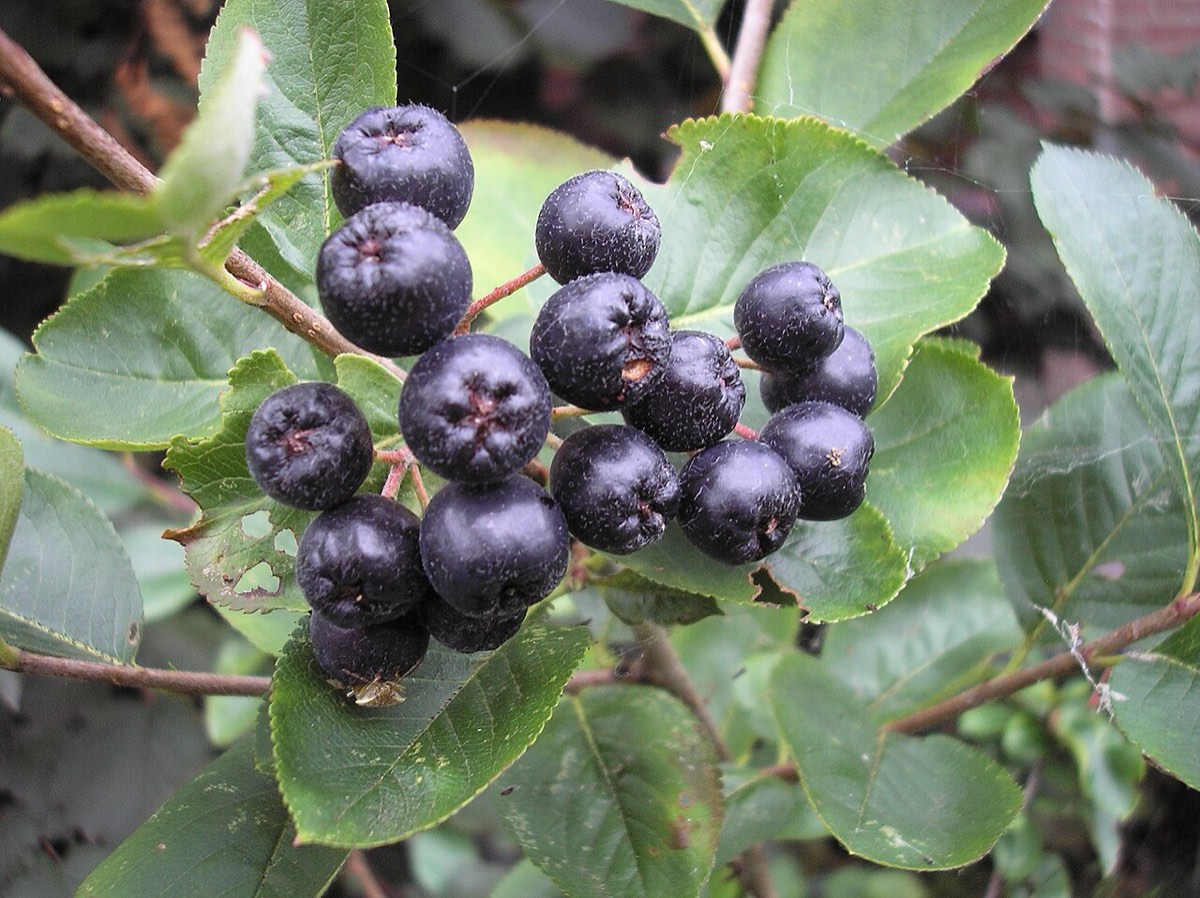
- Aronia berriesWikimedia Commons · MiraculixHB; public domain; general fruit illustration only.
General information, not medical advice. This laboratory formulation study does not show that resveratrol prevents or treats disease; supplements can interact with medicines.
Analysis by NutroPractic from the sources listed. Written for general readers; it does not replace advice from your own doctor.
From our articles
Our guides on this subject
Plain-language guides on nutrition and wellness, backed by research.
Gut health
Heartburn and acid reflux: which food triggers the trials confirm, and what late meals, weight and a raised bed do
Up to 28% of North American adults get heartburn every week. Coffee showed no link across 15 studies, but going to bed within three hours of dinner came with 7.5 times the odds, a 1,000 kcal meal brought 65% more acid time than a 500 kcal one, and losing 3.5 BMI units cut the odds by about a third. What the trials say about food, weight, late meals and raising the bed, with a four-week plan.
22 Oct 2026

Women's health
Inositol for PCOS: the 40:1 ratio, trial doses, and food milligrams
Why do randomized trials in polycystic ovary syndrome prioritize the 40:1 myo to D-chiro inositol ratio? Here is the science behind the ovarian epimerase paradox, clinical ovulation and insulin metrics, and why cantaloupe cannot replace 4,000 mg trial powder.
21 Nov 2026

Everyday eating
Extra virgin olive oil polyphenols: the EU health claim, smoke point myths, and cooking stability
Does extra virgin olive oil degrade when cooked? What does the EU 5 mg polyphenol health claim require, how does oleocanthal act like ibuprofen, and why does oxidative stability matter more than smoke point in domestic frying? Here is the clinical and culinary data.
21 Nov 2026
Newsfeed for your website
Want this feed on your website?
Add it to any site with one copy-and-paste snippet. No sign-up, and it updates itself every hour.
Start with a virtual consultation
Tell Dr. Triveni what you want to change. You will leave with a clear next step, whether you are in Toronto, London, New York or Chennai.