Reproductive nutrition & fertility · November 20, 2026
Cutting processed meat for fish and nuts tied to healthier sperm motility and normal morphology
A comprehensive systematic review revealed that while high processed meat intake repeatedly tracked with diminished semen quality, eating whole nuts improved motility and vitality, and swapping two weekly servings of processed meat for fish boosted normal sperm counts.
Global data indicate persistent multi-decade declines in human semen parameters, prompting heightened scientific interest in modifiable environmental and lifestyle determinants. Among dietary exposures, dietary protein sources vary radically in their fatty acid composition, antioxidant content, and cooking-associated mutagens, yet their collective impact on male reproductive health has lacked rigorous systematic synthesis.
A peer-reviewed systematic review published in Frontiers in Nutrition evaluated evidence across observational cohorts and randomized clinical trials investigating protein-dense foods—including processed red meats, unprocessed red meats, poultry, fish, nuts, and plant-based proteins—in relation to semen quality and male fertility markers.
Across observational cohorts, higher consumption of processed meats (such as sausages, bacon, and cured deli meats) was consistently associated with poorer sperm concentration, reduced progressive motility, and lower percentages of morphologically normal sperm. In contrast, randomized controlled trials supplementing healthy diets with daily tree nuts or peanuts demonstrated statistically significant gains in sperm vitality and motility.
Statistical substitution modeling from the landmark EARTH prospective cohort indicated that swapping just two servings per week of processed red meat with an equivalent portion of fish was tied to a higher total count of morphologically normal sperm. The review authors noted that while clinical conception rates require further trial verification, shifting protein intake away from processed meats toward fish and nuts offers a clear, evidence-based reproductive health advantage.
Systematic evidence on protein-source foods and male reproductive health
Systematic
Comprehensive synthesis of clinical trials and prospective fertility cohorts
Processed
Higher cured/processed meat intake linked to lower motility and morphology
+Nuts
Randomized trials show daily nut intake improves sperm vitality and motility
Fish Swap
Replacing 2 weekly servings of processed meat with fish improved normal counts
Systematic review evaluating dietary protein categories, sperm function, and male fertility outcomes.
- Human sperm cell membranes are unusually rich in polyunsaturated fatty acids (PUFAs), making them exceptionally vulnerable to oxidative lipid peroxidation.
- Processed meats frequently contain sodium nitrites, advanced glycation end-products (AGEs), and heterocyclic amines formed during high-temperature curing and cooking.
- Nuts provide concentrated doses of alpha-linolenic acid, vitamin E, selenium, and zinc, all of which act as crucial cofactors for antioxidant enzymes.
- Spermatogenesis takes approximately 64 to 74 days, meaning dietary adjustments typically reflect in semen parameters after two to three months.
- Protein-source foods and male semen quality, sperm function, and fertility outcomes: a systematic reviewFrontiers in Nutrition · Systematic review examining observational and interventional trials of dietary protein sources and reproductive metrics. Published 16 November 2026.
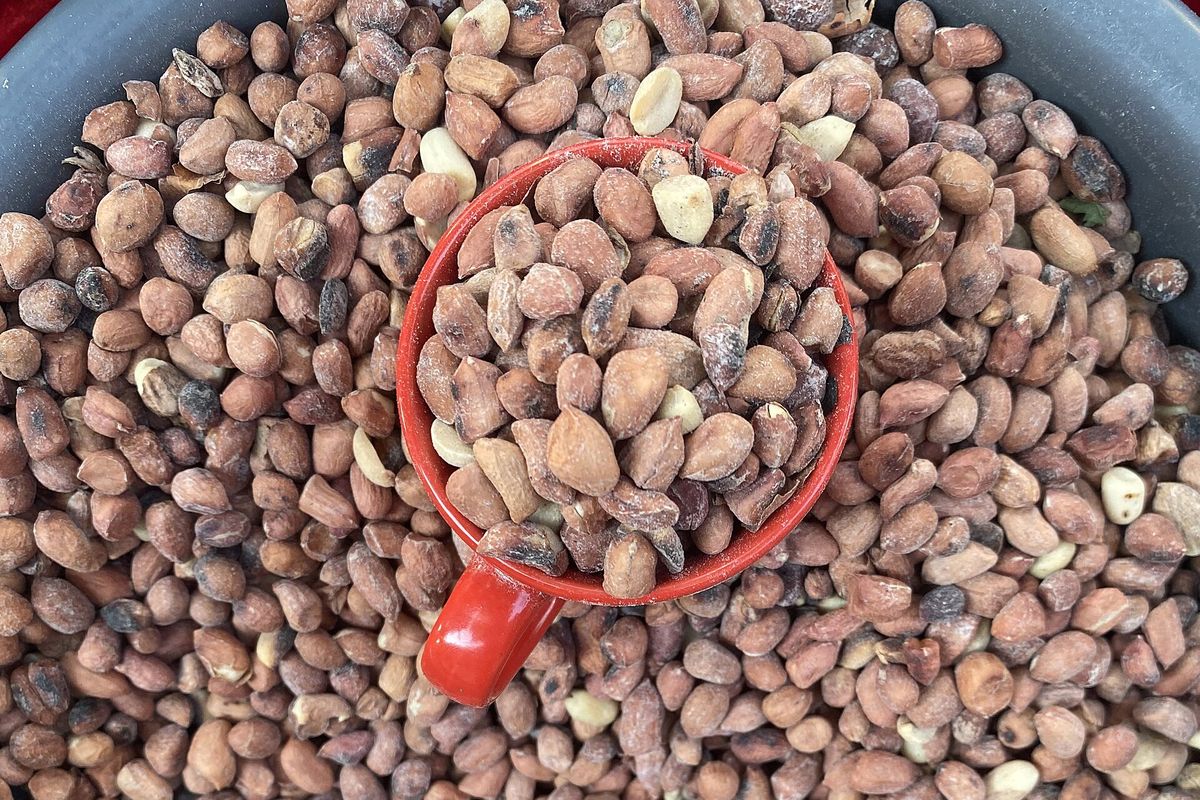
- Roasted peanuts in a bowlWikimedia Commons · Photo by Chandapiwa Malema, CC0 public domain dedication.
Evidence synthesis of nutritional research. Couples experiencing fertility challenges should consult a qualified reproductive endocrinologist or urologist.
Analysis by NutroPractic from the sources listed. Written for general readers; it does not replace advice from your own doctor.
From our articles
Read, then eat a little better
Plain-language guides on nutrition and wellness, backed by research.

Women's health
Inositol for PCOS: the 40:1 ratio, trial doses, and food milligrams
Why do randomized trials in polycystic ovary syndrome prioritize the 40:1 myo to D-chiro inositol ratio? Here is the science behind the ovarian epimerase paradox, clinical ovulation and insulin metrics, and why cantaloupe cannot replace 4,000 mg trial powder.
21 Nov 2026

Everyday eating
Extra virgin olive oil polyphenols: the EU health claim, smoke point myths, and cooking stability
Does extra virgin olive oil degrade when cooked? What does the EU 5 mg polyphenol health claim require, how does oleocanthal act like ibuprofen, and why does oxidative stability matter more than smoke point in domestic frying? Here is the clinical and culinary data.
21 Nov 2026

Food and nutrition
L-theanine and caffeine: what cognitive trials measured on sustained attention, and milligrams in matcha vs green tea
Combining L-theanine with caffeine produces clean focus without caffeine jitters. Here is what randomized trials measured on attention-switching, EEG alpha brain waves, and the exact milligrams across ceremonial matcha, culinary powder, gyokuro, and sencha.
20 Nov 2026
Newsfeed for your website
Want this feed on your website?
Add it to any site with one copy-and-paste snippet. No sign-up, and it updates itself every hour.
Start with a virtual consultation
Tell Dr. Triveni what you want to change. You will leave with a clear next step, whether you are in Toronto, London, New York or Chennai.